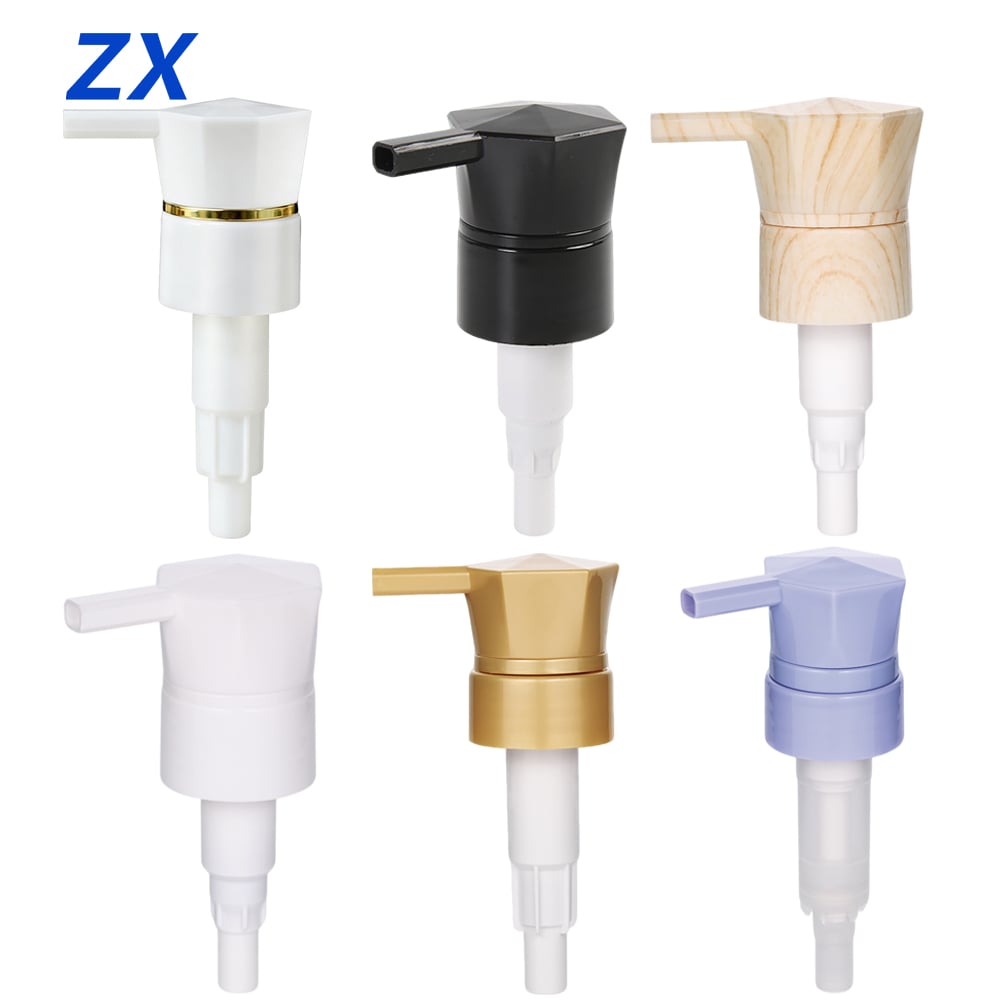
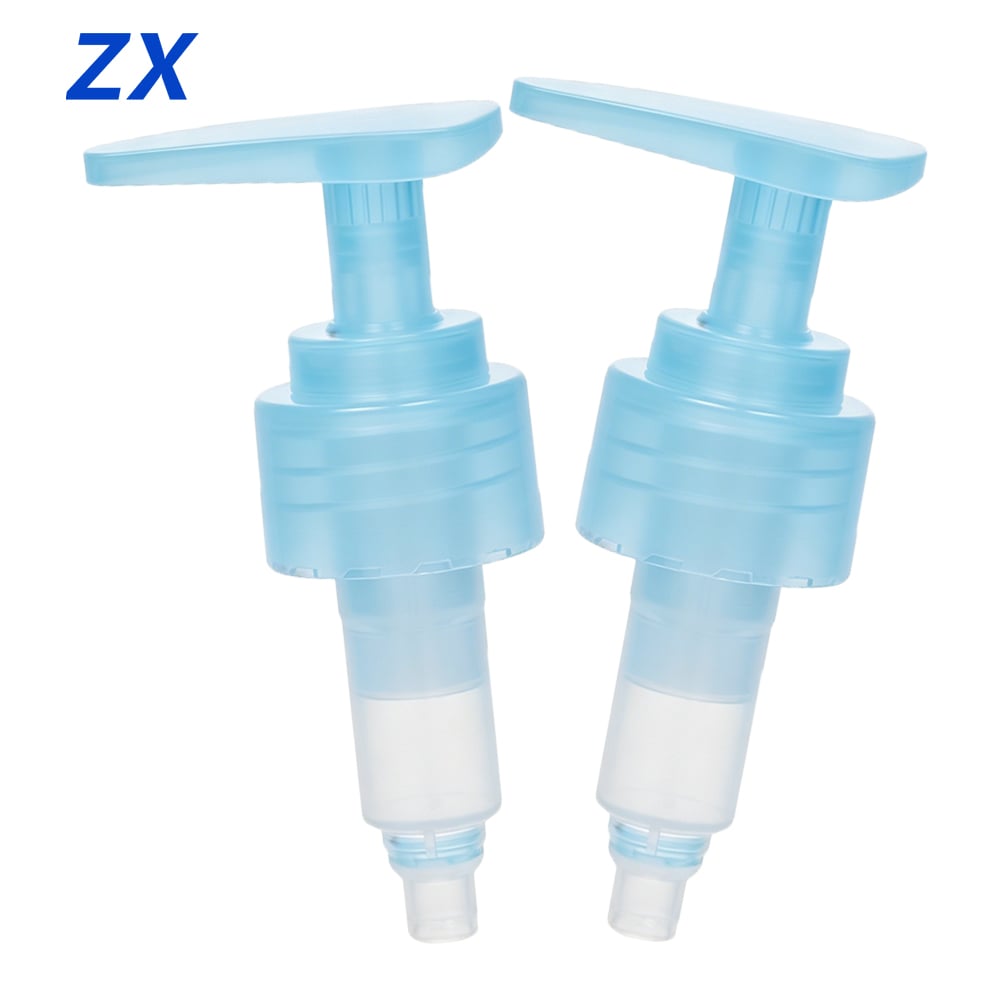
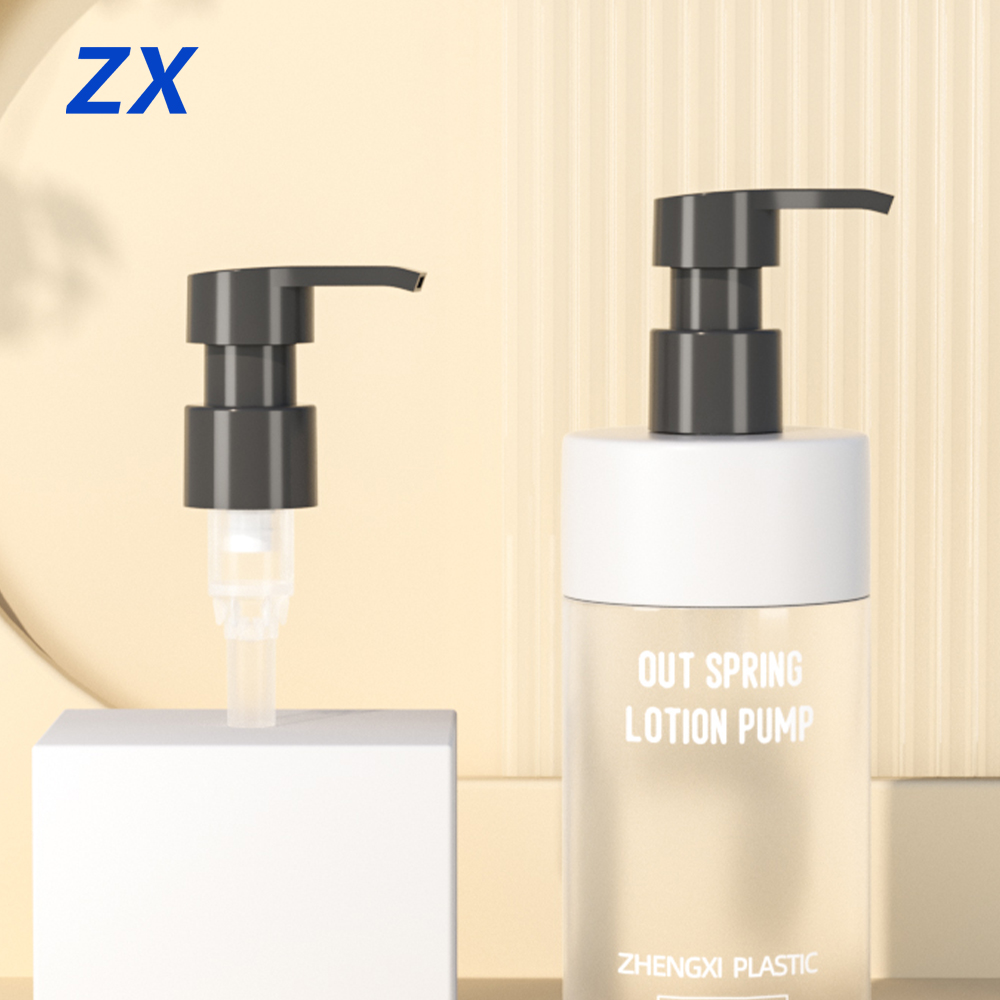
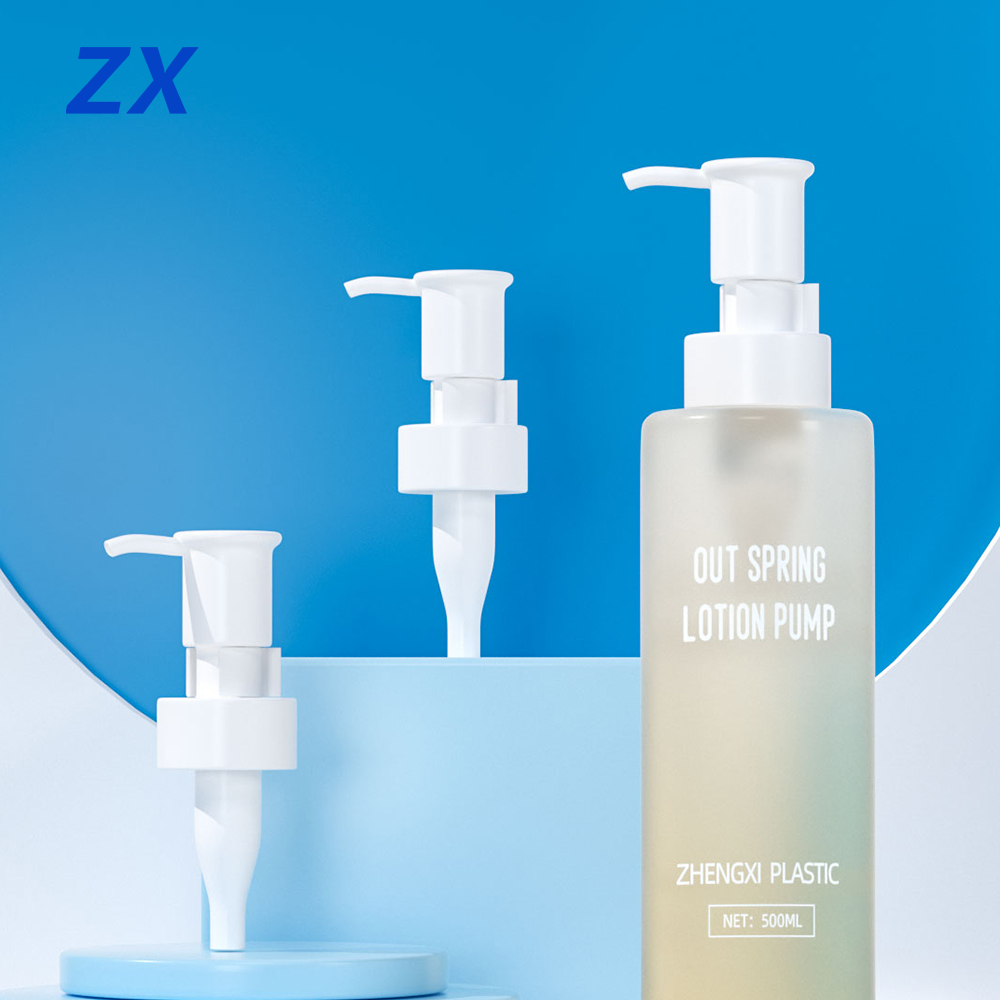
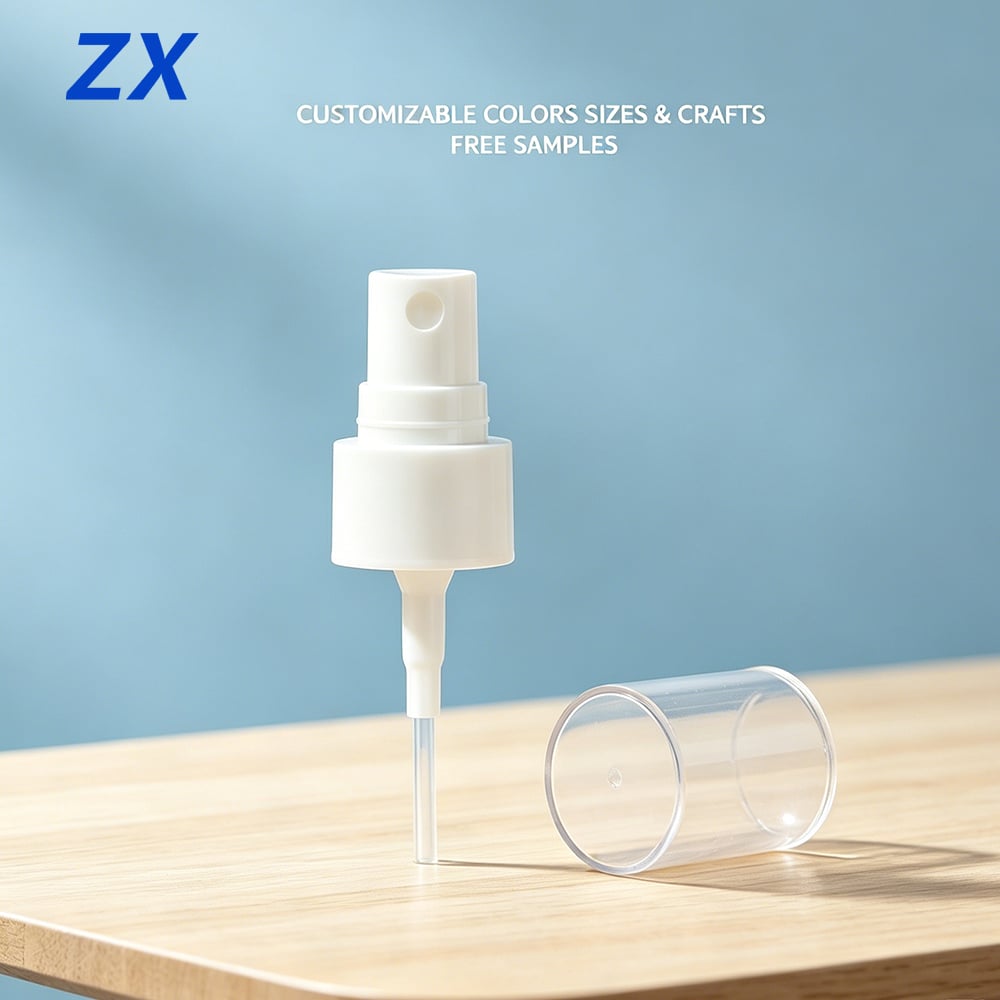
Understanding the viscosity limits of your lotion pump dispenser is essential for selecting the right packaging solution and ensuring reliable product delivery. Viscosity—the thickness or resistance to flow of a liquid—directly impacts how well a lotion pump dispenser performs over thousands of actuations. Many manufacturers and brand owners assume that all lotion pump dispenser models handle similar product densities, but this assumption often leads to disappointing results, including clogs, inconsistent spray patterns, or complete failure.
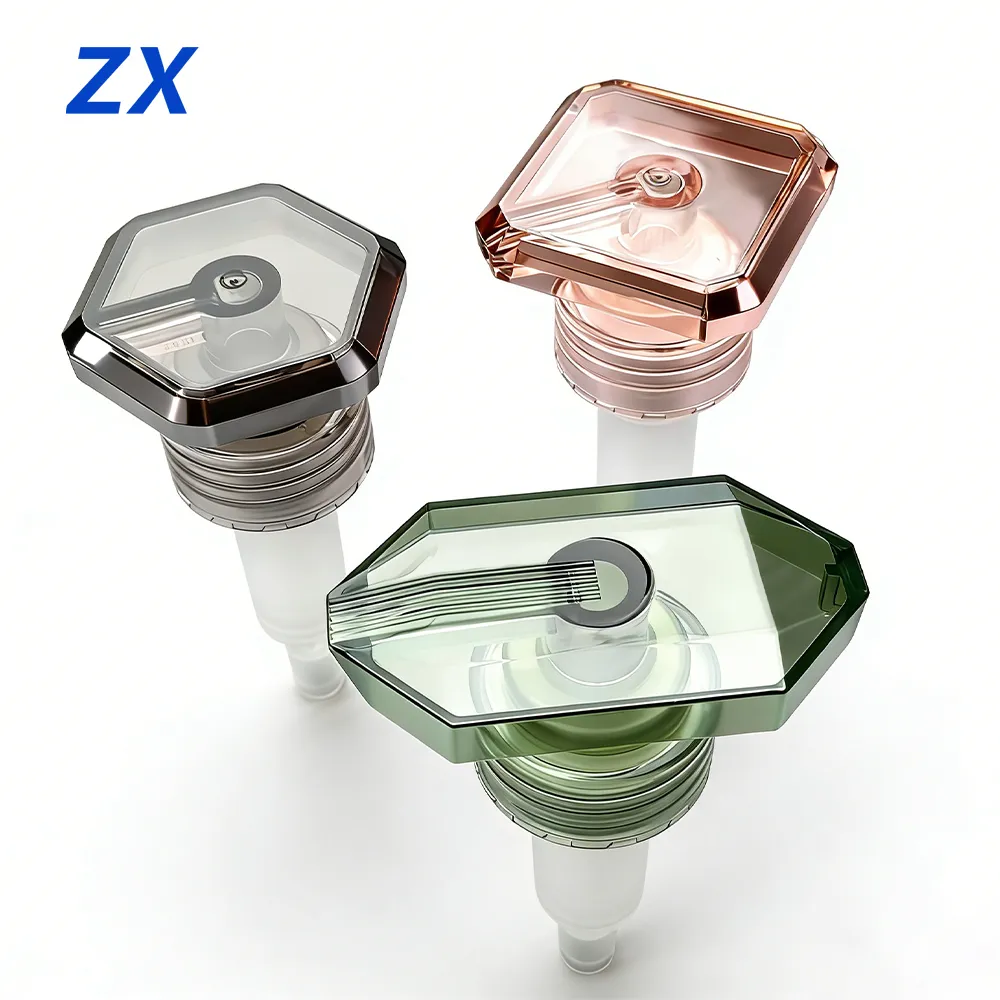
A standard lotion pump dispenser is engineered within specific mechanical and material constraints that define its operational ceiling. The internal spring mechanism, ball valve seals, and discharge tube bore are all sized for a particular viscosity range. When product viscosity exceeds what the pump was designed for, the internal components struggle to perform their intended function, resulting in delayed priming, blocked discharge channels, or permanent mechanical wear. This article explores the maximum viscosity a lotion pump dispenser can reliably handle, the factors that influence this limit, and how to match your product to the right pump design.
Viscosity is typically measured in centipoise (cP), with water serving as the baseline reference at roughly 1 cP at room temperature. A standard lotion pump dispenser is generally rated to handle products with viscosity ranging from approximately 500 to 5,000 cP, though this varies significantly by pump model and design. When a product's viscosity falls below 500 cP, it may leak past the ball valve seals or deliver too much product per stroke; conversely, when viscosity exceeds 5,000 cP, the lotion pump dispenser's spring mechanism cannot overcome the resistance needed to draw product through the intake tube and into the reservoir.
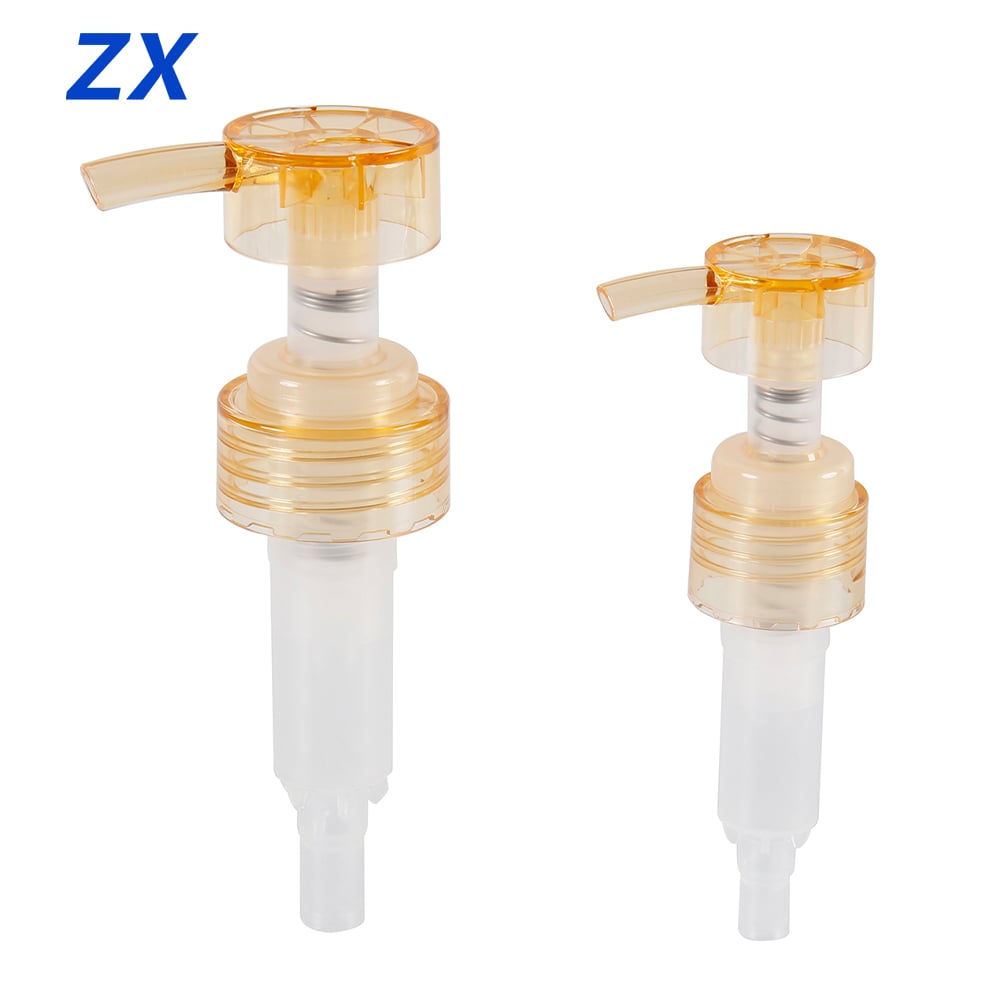
Every lotion pump dispenser contains a spring that generates a fixed amount of force during the compression and expansion cycle. This spring force, combined with the surface area of the piston head and the internal valve geometry, determines how much suction and pressure the pump can generate. The intake and discharge ball valves must open and close reliably across thousands of cycles; if product viscosity is too high, the valve balls may not seat completely, causing leakage or air ingestion. Additionally, the lotion pump dispenser discharge tube typically has a bore diameter of 1 to 3 millimeters; ultra-thick formulations may develop partial blockages within this narrow channel, preventing consistent output.
Most commercial lotion pump dispenser units manufactured for hand soaps, body lotions, and similar personal care products operate effectively up to approximately 3,000 to 5,000 cP. This range accommodates typical body cream, moisturizer, and shower gel formulations. Beyond 5,000 cP, a standard lotion pump dispenser begins experiencing performance degradation; products in the 5,000 to 10,000 cP range may still work but often require longer priming periods and generate reduced output volumes per stroke. Products exceeding 10,000 cP—such as thick salves, serums with high silicone content, or oil-based formulations—are generally incompatible with conventional lotion pump dispenser designs and require specialized heavy-duty or piston-driven pump systems.
Viscosity can vary based on temperature; a lotion pump dispenser tested at 20°C may behave differently with the same product at 30°C or 45°C during warehouse storage or retail shelf conditions. Lower temperatures increase viscosity, making thick products even thicker and harder for the pump to dispense; higher temperatures reduce viscosity, potentially causing leakage. Manufacturers rating their lotion pump dispenser capacity typically specify a reference temperature, usually 20°C (68°F). When selecting a pump for your formulation, measure your product viscosity at the expected use and storage temperatures to ensure the lotion pump dispenser remains within its operational window year-round.
The spring tension in a lotion pump dispenser directly determines its viscosity ceiling. Stiffer springs generate more force, allowing the pump to displace thicker fluids, but they also increase user effort and may be uncomfortable for repetitive hand-dispensing applications. The piston head diameter also matters; larger piston heads create greater surface area for generating pressure, allowing a lotion pump dispenser to handle higher viscosity products more effectively. Premium-grade lotion pump dispenser models often feature reinforced springs and optimized piston geometry to extend the usable viscosity range from 5,000 cP to occasionally 8,000 or 10,000 cP, though this remains an exception rather than standard practice.
The intake and discharge ball valves in a lotion pump dispenser must seal reliably even when exposed to viscous, slow-flowing products. If the valve balls are oversized or the valve seat is poorly machined, the lotion pump dispenser may experience creep—slow leakage past closed valves—particularly with high-viscosity formulations. Quality control and material selection directly impact a lotion pump dispenser's ability to handle near-maximum viscosity without leaking. Valves machined to tighter tolerances and made from durable materials such as stainless steel rather than standard plastic improve performance with thicker products and extend the overall lifespan of the lotion pump dispenser under demanding conditions.
The diameter and length of the intake tube influence how easily product flows into the pump chamber. A narrow or longer intake tube creates greater resistance, effectively lowering the maximum viscosity a lotion pump dispenser can handle; conversely, a wider, shorter intake pathway allows thicker products to flow more freely. Internal port configurations, chamber volume, and the routing of fluid channels all contribute to the overall suction and delivery capability. Manufacturers optimizing lotion pump dispenser designs for high-viscosity products often enlarge intake bores and reduce tube length, accepting a larger footprint in exchange for improved performance with thick formulations.
Before committing to a production run with any lotion pump dispenser model, conduct functional testing with your actual product formulation. Fill a test bottle and perform at least 50 consecutive actuations, monitoring for leakage, inconsistent output volume, air ingestion, or delayed priming. If the lotion pump dispenser struggles to draw product after the first 10 strokes or produces weak output beyond the first few pumps, your product likely exceeds the pump's viscosity rating. Temperature cycling testing—storing the filled unit at 5°C overnight, then at room temperature during the day—reveals temperature-sensitive performance issues that static testing may miss.
If your product exceeds the maximum viscosity for a standard lotion pump dispenser, you have several options. Reformulating to reduce viscosity—by increasing water content, adjusting emulsifier ratios, or changing thickening agents—allows you to use cost-effective standard pumps. Alternatively, upgrade to a heavy-duty lotion pump dispenser with enhanced spring tension and larger internal passages, though this increases per-unit cost. For extremely thick products such as body butters or salves, consider transitioning to a flip-top cap with a tube dispenser or a syringe-style applicator rather than a traditional pump.
A standard lotion pump dispenser typically handles viscosity between 500 and 5,000 centipoise. Most personal care products including body lotions, hand soaps, and shower gels fall comfortably within this range. Products exceeding 5,000 cP begin experiencing performance issues with a standard lotion pump dispenser, including reduced output volume, delayed priming, and potential mechanical strain.
Technically possible but not recommended, a lotion pump dispenser may dispense products thicker than 5,000 cP with diminished performance. The pump will require more effort to actuate, may leak around valve seals, and could experience premature mechanical failure. Heavy-duty pump designs or alternative dispensing methods are better suited for ultra-thick formulations exceeding 10,000 cP.
Temperature significantly impacts product viscosity; lower temperatures increase thickness, while higher temperatures reduce it. A lotion pump dispenser rated for 5,000 cP at 20°C may struggle with the same product at 5°C if viscosity increases substantially. Always measure your product viscosity at the minimum expected storage temperature to ensure your lotion pump dispenser will perform reliably under real-world conditions.
 Hot News
2026-09-15
2026-09-08
2026-09-01
2026-08-18
2026-08-13
2026-08-11
 EN
EN