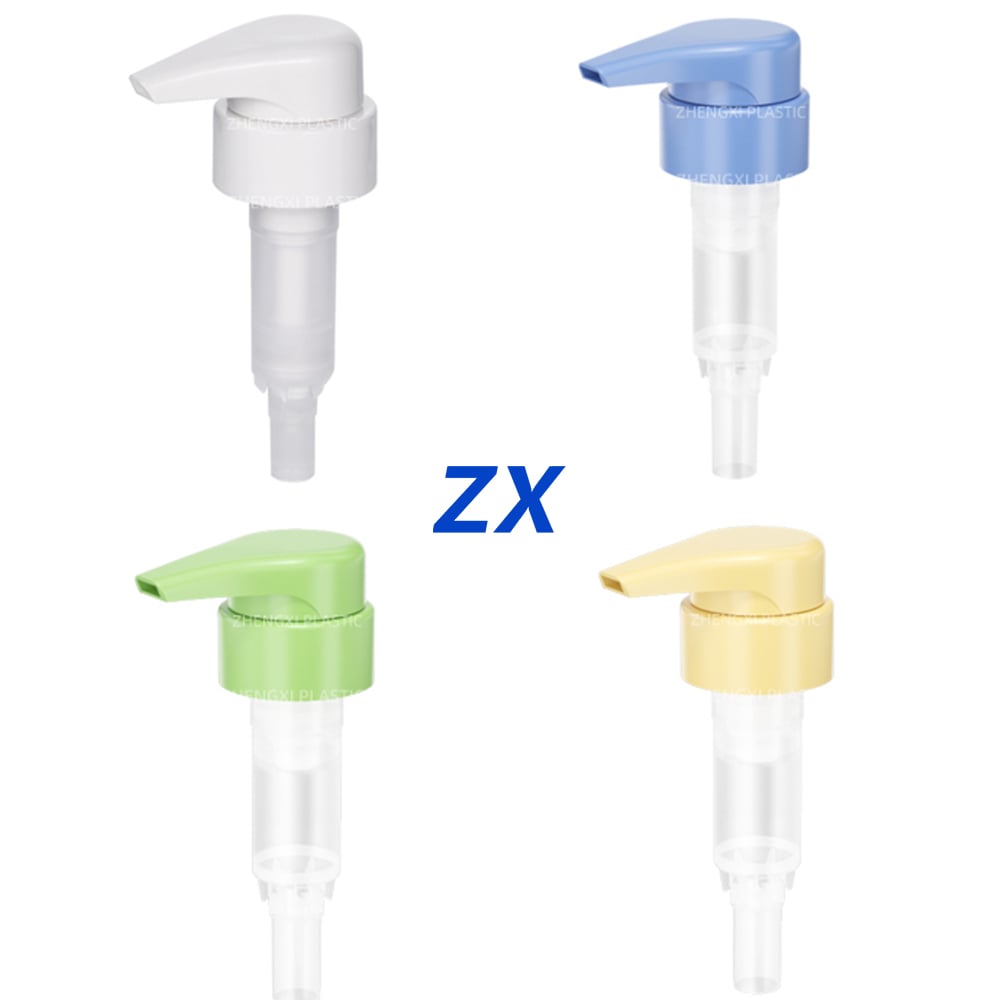
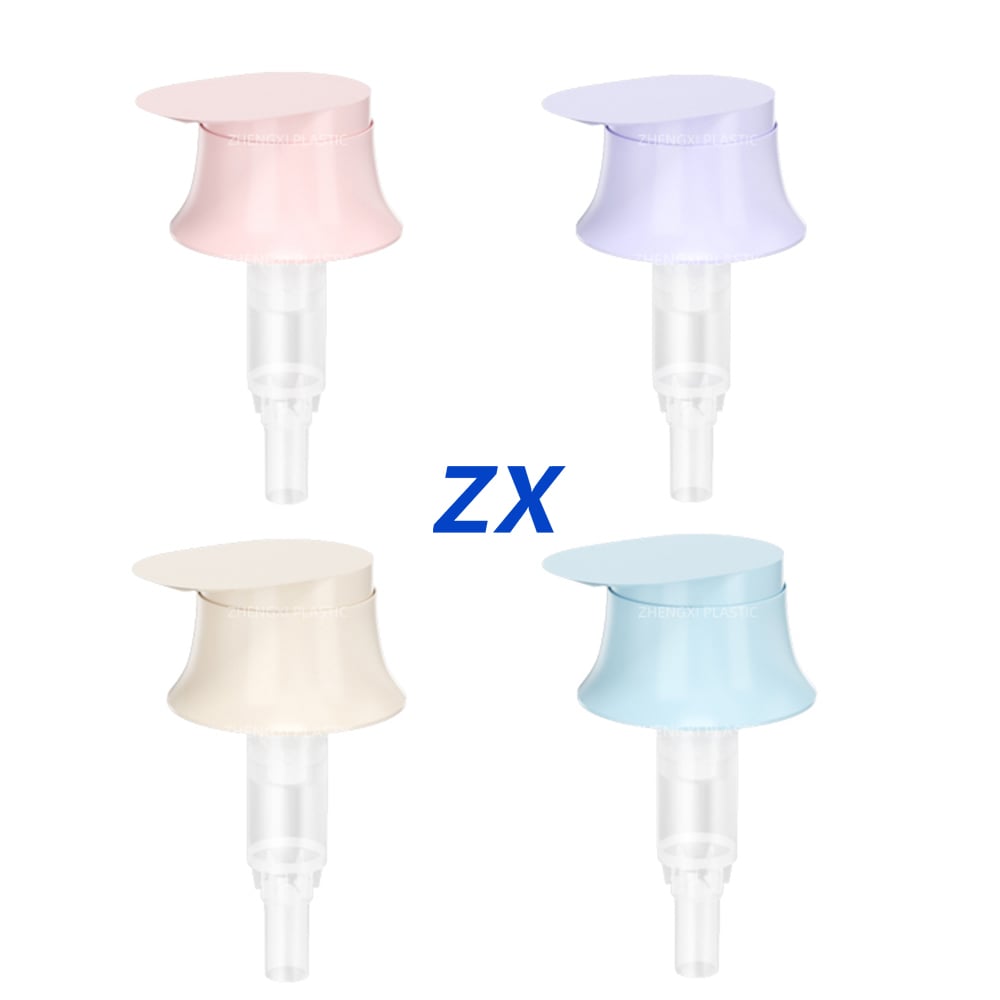
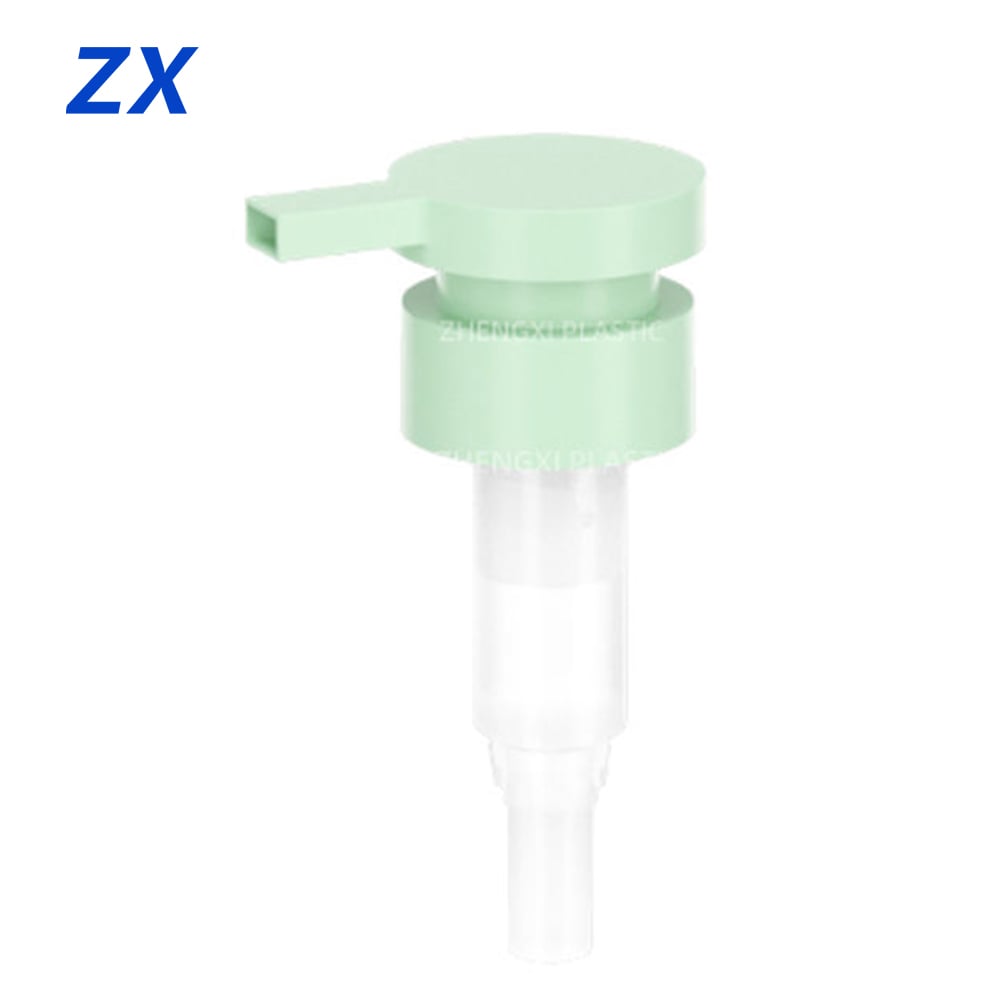
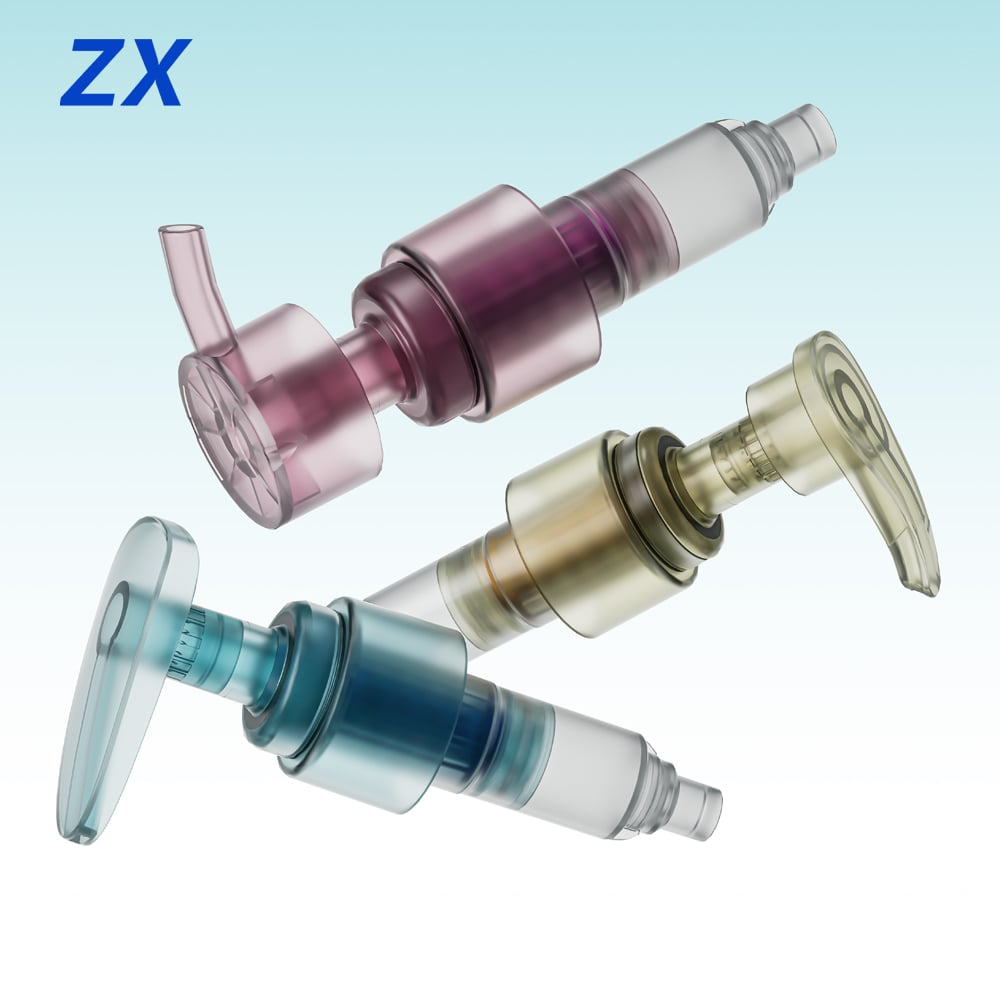
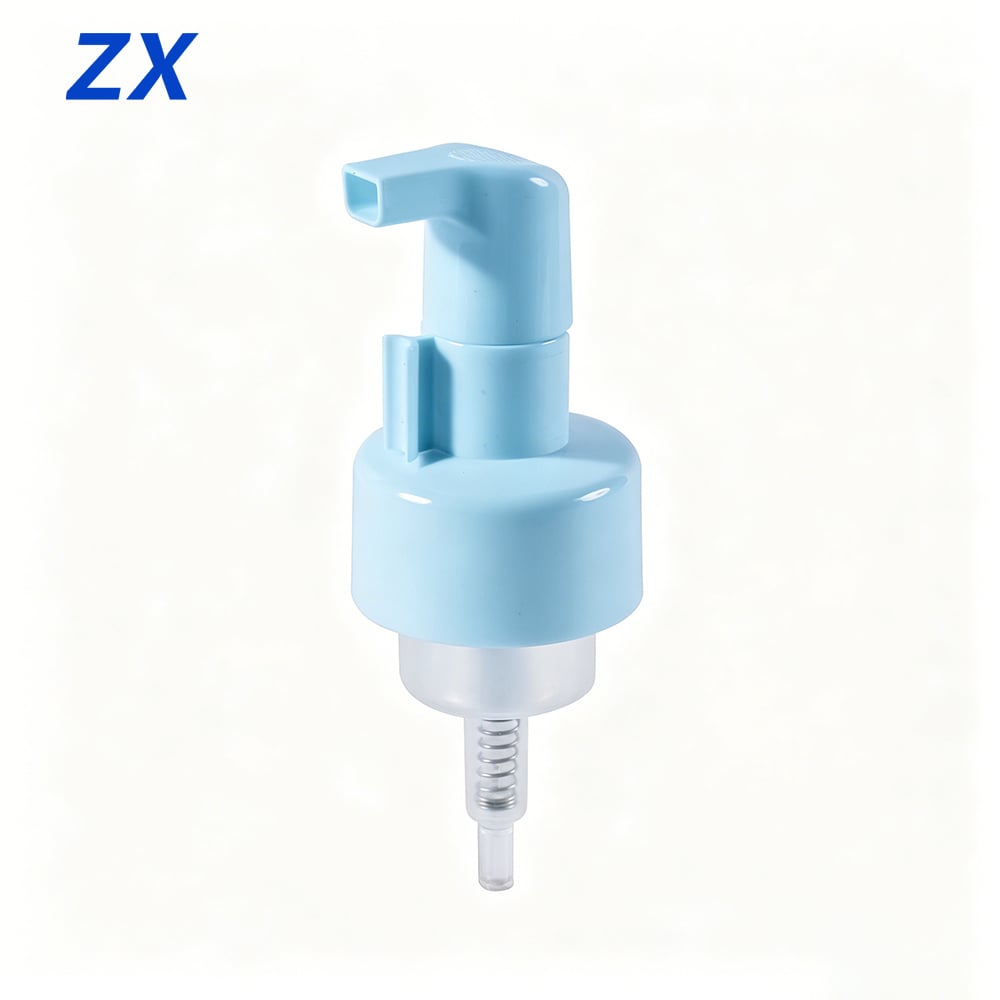
Modern bathroom routines demand convenience and efficiency, especially when managing multiple personal care products with one hand. A well-engineered lotion pump design transforms how users interact with bathroom bottles, eliminating the frustration of two-handed operation and making daily grooming tasks seamless. The right lotion pump mechanism combines ergonomic principles, intuitive trigger placement, and structural stability to deliver consistent performance in wet, soapy environments where grip strength and dexterity become critical challenges.
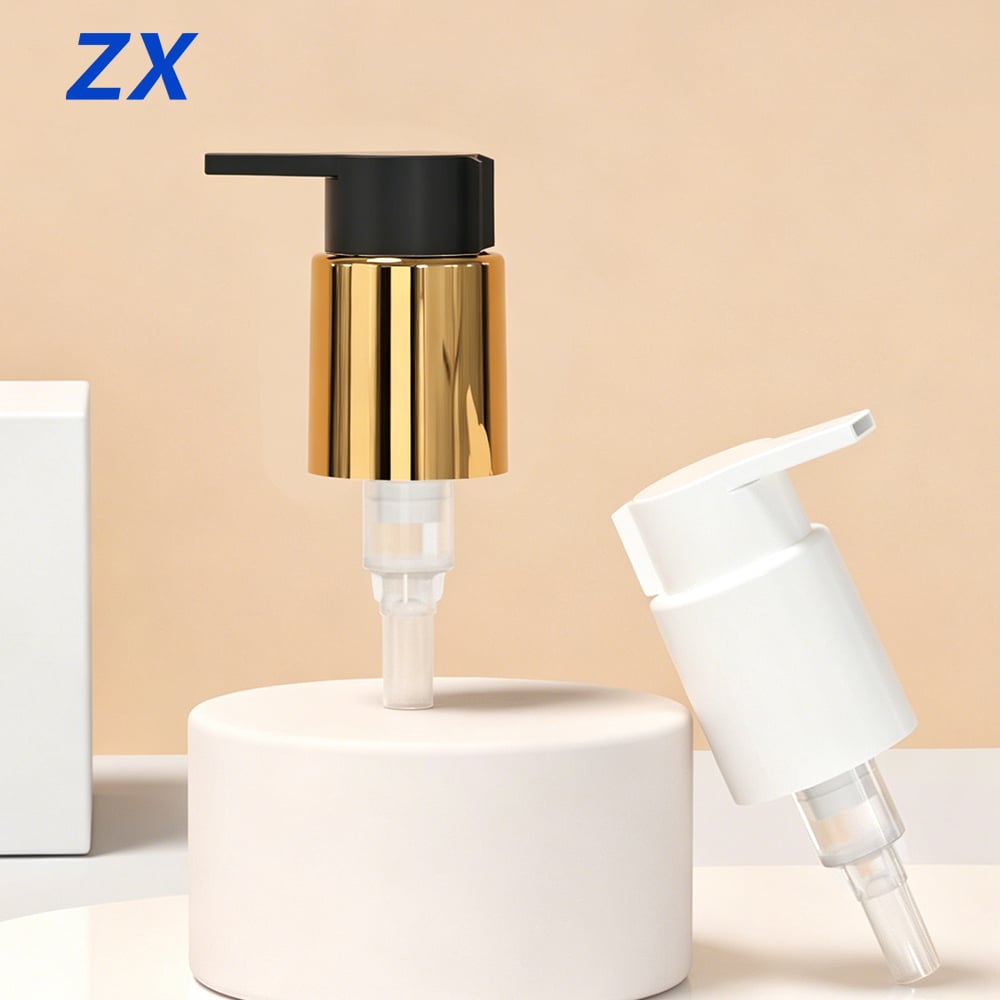
Whether you are formulating personal care products, designing bathroom dispensers, or selecting packaging for shower gels and hand soaps, understanding what makes an effective lotion pump design is essential. One-hand operation represents a fundamental shift in user experience, driven by real-world bathroom conditions where hands are wet, soap is slippery, and convenience determines product adoption rates. This guide explores the engineering principles, structural features, and performance benefits that define successful lotion pump design for modern bathroom applications.
The trigger mechanism sits at the heart of one-hand lotion pump functionality. A properly engineered lotion pump places the trigger at a height and angle that aligns naturally with the user's grip, allowing the index or middle finger to activate the dispenser without shifting hand position. This ergonomic alignment reduces the force required to operate the pump, making it accessible to users with varying hand strength and ages. The lotion pump design must account for wet conditions, requiring trigger surfaces with adequate texture to prevent slipping even when covered in product residue or water droplets.
Advanced lotion pump engineering incorporates finger rest zones that stabilize the hand during operation. When a user holds a bathroom bottle, the lotion pump trigger should provide tactile feedback and resist accidental activation. The mechanical linkage connecting the trigger to the piston must translate finger motion into smooth, controlled dispense action without requiring excessive downward force. A well-designed lotion pump reduces hand fatigue during repeated use, critical for products like hand soaps that users access multiple times daily.
The force required to activate a lotion pump directly impacts one-hand usability. Engineers calibrate lotion pump mechanisms to deliver 1.5 to 3 pounds of pressure at the trigger, balancing ease of use against accidental dispensing. A lotion pump that requires too little force creates waste and mess; one requiring excessive force becomes inaccessible to children and elderly users. The internal spring mechanism of a quality lotion pump provides consistent resistance across thousands of actuation cycles, ensuring reliable performance throughout the product lifecycle.
The lotion pump design must compensate for variations in liquid viscosity and product density. Thicker formulations demand slightly higher trigger resistance, while lighter gels flow more freely and benefit from sensitive triggering. Premium lotion pump models incorporate adjustable mechanisms that allow manufacturers to fine-tune resistance for specific product types, creating an optimized experience tailored to the exact lotion pump application.
One-hand operation fails without a stable mounting system that prevents the bottle from rotating or sliding during pump activation. Modern lotion pump design incorporates clip-lock fastening that secures the dispenser head to the bottle opening with minimal installation effort. This lotion pump innovation locks the pump perpendicular to the bottle, resisting torque forces as the user's finger pressure naturally twists during trigger activation. The clip-lock mechanism in a quality lotion pump typically locks with a quarter-turn motion, ensuring consistent engagement without overtightening.
The lotion pump base must distribute force evenly across the bottle opening, preventing concentrated stress that leads to cracking or leaking. Advanced lotion pump designs feature integrated sealing rings that maintain an airtight seal while the clip-lock holds the pump firmly in position. This dual approach ensures that the lotion pump remains stationary throughout its operational life, accommodating the dynamic forces of single-handed dispensing without requiring the user's other hand to stabilize the bottle.
The pump head exterior of an advanced lotion pump incorporates textured or contoured gripping surfaces that resist rotation during use. When a user's hand applies downward pressure on the lotion pump trigger, torque naturally develops. Without proper anti-rotation design, the lotion pump spins on the bottle opening, requiring corrective hand adjustments that defeat one-hand operation. Strategic ribbing, geometric facets, or honeycomb patterns in the lotion pump housing create mechanical interlock with the user's fingers, maintaining consistent orientation throughout the dispense cycle.
Professional-grade lotion pump models integrate these anti-rotation features into the handle structure itself, making the lotion pump naturally resistant to twisting motion. The lotion pump design accounts for both right-hand and left-hand operation, with symmetrical or ambidextrous trigger placement ensuring smooth performance regardless of user hand dominance.
The lotion pump metering system controls the exact volume dispensed with each trigger press, typically delivering 0.5 to 1.5 milliliters per actuation. The piston-cylinder design in quality lotion pump models uses precision-engineered components with tight tolerances, ensuring consistent output across hundreds of thousands of cycles. This mechanical precision eliminates user frustration caused by variable dispensing, where one trigger press delivers too much product and the next delivers too little. A properly designed lotion pump maintains metering accuracy even as internal components wear slightly over time, extending product lifespan while maintaining user satisfaction.
The lotion pump piston surface incorporates flexible sealing elements, typically elastomer rings or membranes, that create an airtight chamber during the upstroke and downstroke. This dynamic sealing in the lotion pump prevents backflow, ensuring that each trigger actuation dispenses only the calibrated volume without spillback into the reservoir. Advanced lotion pump engineering maintains consistent pressure differential across the sealing interface, adapting automatically to product viscosity variations that occur naturally in shower gels and liquid soaps.
The dip tube in a quality lotion pump extends into the product reservoir, drawing liquid into the chamber during the pump's upstroke. The lotion pump dip tube design prevents air intake that creates gurgling, sputtering, or incomplete priming after the bottle sits empty. One-hand operation becomes impractical if the lotion pump requires manual repriming or tipping the bottle at angles to restore suction. Advanced lotion pump models incorporate check valves and anti-siphon features that maintain optimal priming pressure, eliminating dead spots where air becomes trapped in the system.
The lotion pump intake section also prevents product contamination and microbial growth. Many modern lotion pump designs include antimicrobial coatings or screens within the dip tube assembly, protecting the product integrity throughout the usage period. This lotion pump feature becomes especially critical in high-humidity bathroom environments where moisture accumulation could otherwise compromise product performance or safety.
A lotion pump design achieves true one-hand functionality through ergonomic trigger placement at natural finger height, stable anti-rotation fastening that prevents bottle twisting, and trigger resistance calibrated to the specific product formulation. The best lotion pump models combine textured grip surfaces, clip-lock anchoring, and a precisely balanced piston mechanism that delivers consistent volume without requiring hand repositioning during dispensing. Additionally, the lotion pump must maintain sealing integrity in wet conditions and provide reliable priming without manual intervention.
Leak-proof lotion pump technology uses precision-engineered sealing rings, anti-siphon check valves, and dip tube designs that prevent product leakage or backflow during and between uses. A quality lotion pump incorporates these leak-prevention features into both the metering chamber and the base fastening system, preventing product waste and bathroom mess. Modern lotion pump models withstand temperature fluctuations, humidity exposure, and physical handling without degradation of sealing performance, extending the functional lifespan while maintaining product protection and user confidence in the dispenser's reliability.
Yes, advanced lotion pump engineering now incorporates truly ambidextrous trigger and grip design that functions equally well for both right-handed and left-handed users. Quality lotion pump models feature symmetrical trigger placement, balanced grip zones, and clip-lock fastening that orient correctly regardless of hand dominance. This inclusive lotion pump approach expands market accessibility and ensures that all bathroom users experience seamless one-hand operation, eliminating the frustration of products optimized only for right-hand use or requiring awkward repositioning for left-handed individuals.
 Hot News
2026-09-15
2026-09-08
2026-09-01
2026-08-18
2026-08-13
2026-08-11
 EN
EN