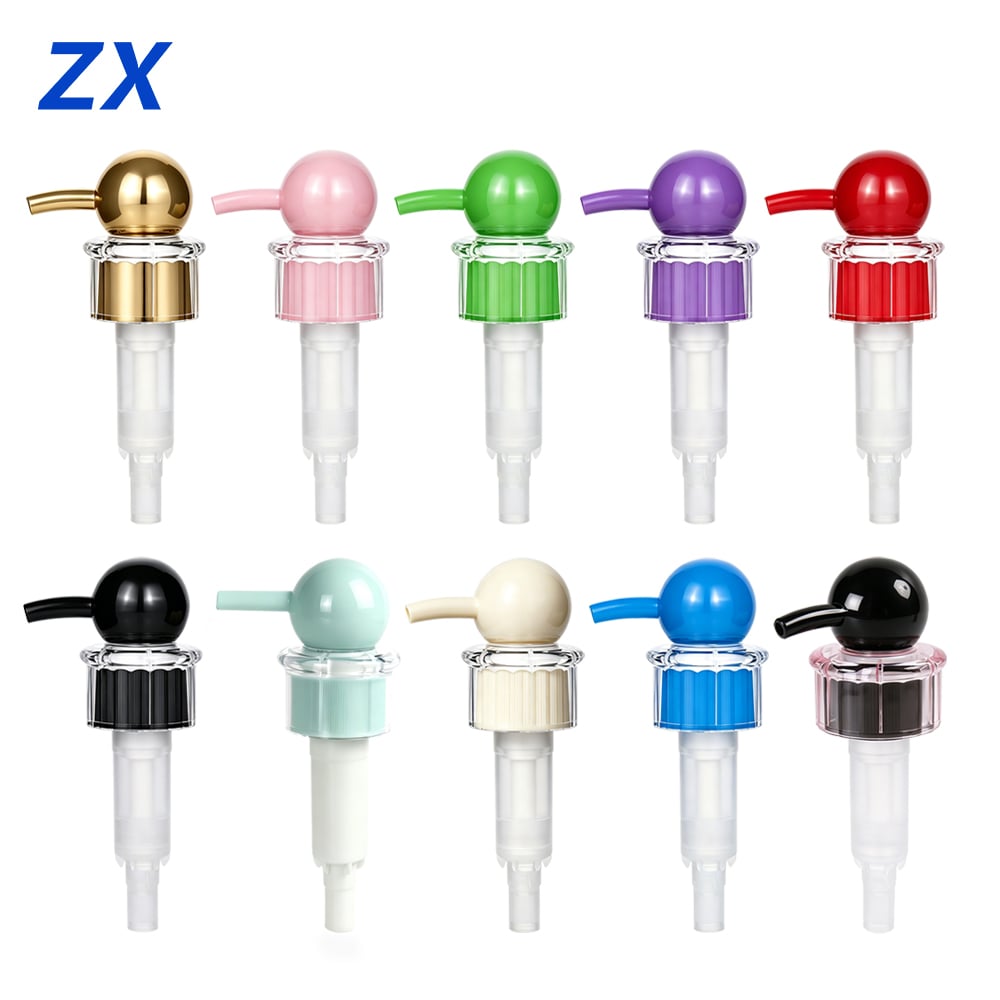
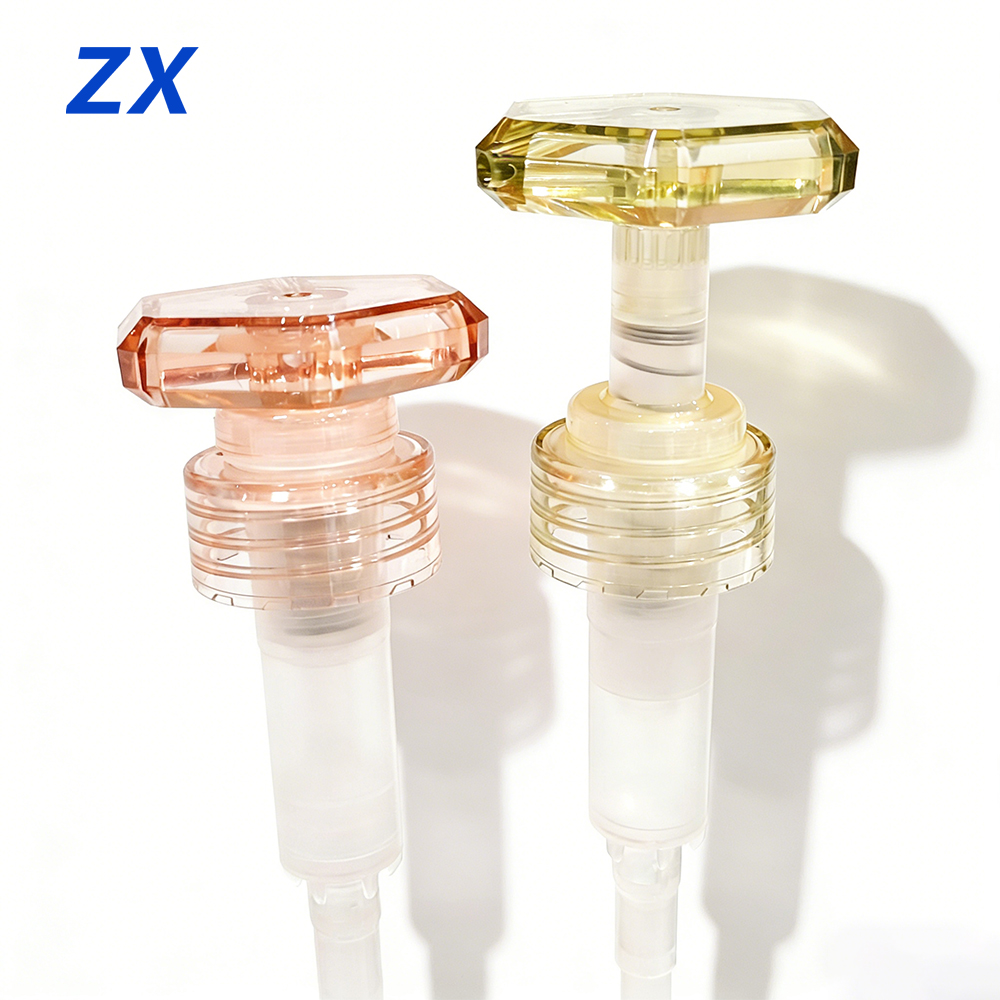
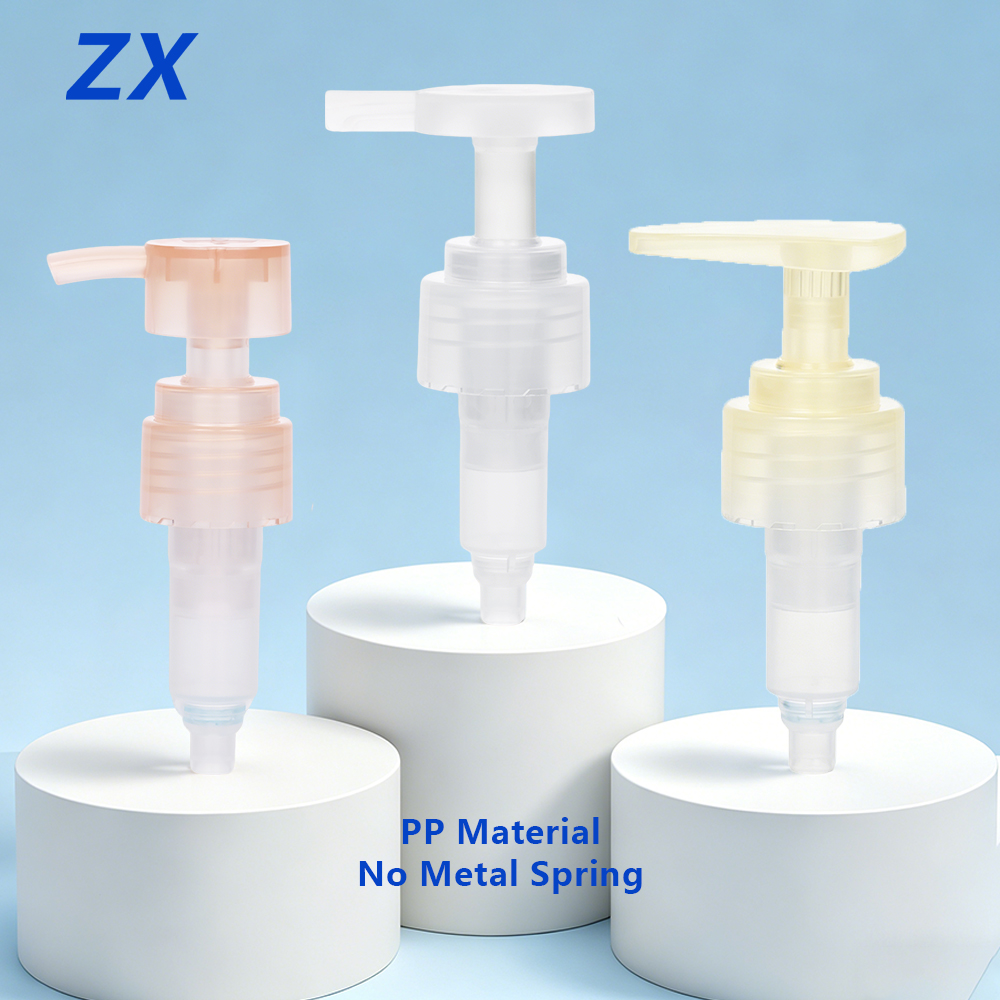
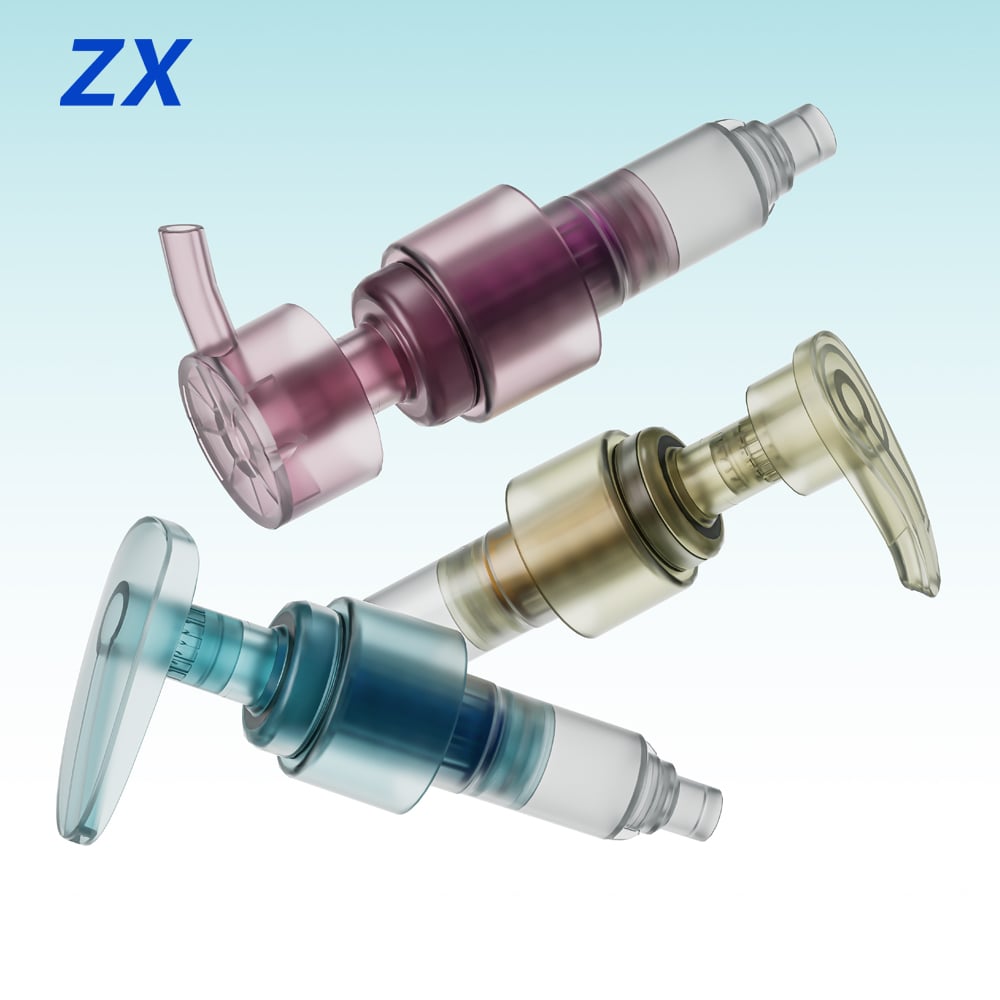
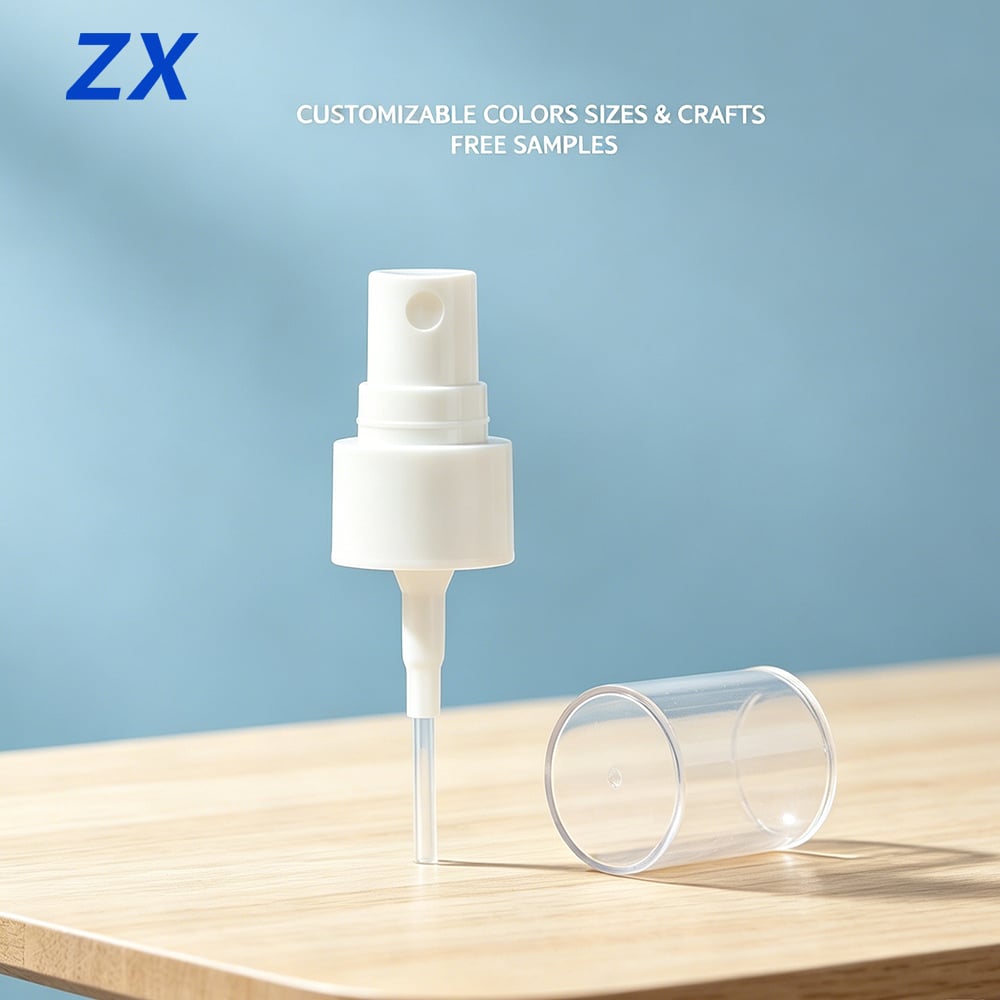
A lotion pump dispenser is engineered to deliver a precisely controlled volume of product with each full stroke. Understanding the metered dose that a lotion pump dispenser releases is essential for manufacturers, formulators, and end users who depend on consistent product delivery. The amount of product dispensed per stroke directly affects product cost, user experience, and brand perception. Most standard lotion pump dispensers deliver between 0.5 milliliters and 3 milliliters per full stroke, with 1 milliliter being the most common reference dose in the cosmetics and personal care industry.
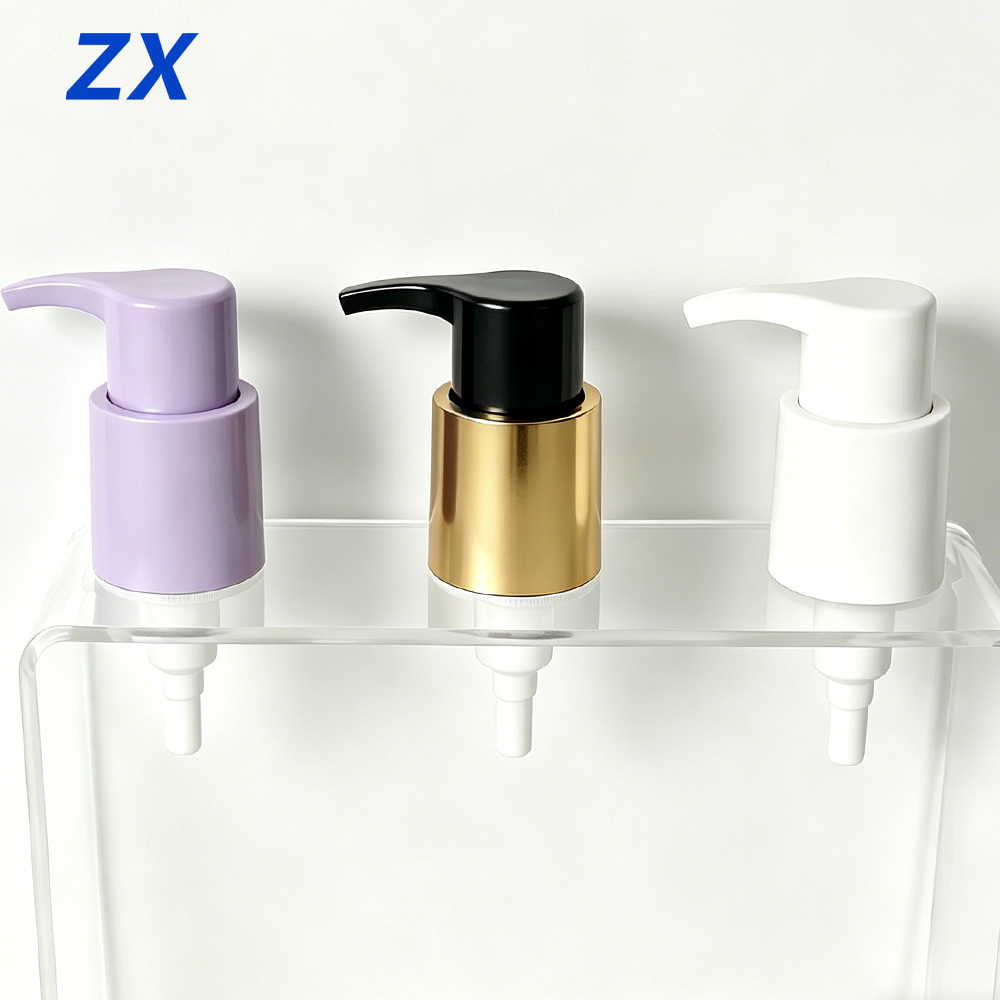
The metered dose that a lotion pump dispenser delivers per stroke is determined by the internal chamber volume and the mechanical action of the pump mechanism. This consistency makes the lotion pump dispenser a preferred choice across industries where product accuracy, waste reduction, and consumer satisfaction are paramount. Selecting the right lotion pump dispenser requires understanding how dosage specifications influence your product line, regulatory compliance, and customer expectations.
Every lotion pump dispenser contains an internal metering chamber that traps and releases a fixed volume with each pump action. When you press the lotion pump dispenser handle downward, the intake valve opens and pulls liquid into the chamber. On the upstroke, the intake valve closes while the discharge valve opens, expelling the precise amount of product. This dual-valve system is what enables a lotion pump dispenser to deliver consistent dosing, typically ranging from 0.5 milliliters to 3 milliliters per stroke depending on the design specification.
The accuracy of a lotion pump dispenser depends on manufacturing tolerances, spring tension, and valve sealing integrity. Premium lotion pump dispenser models maintain dose consistency within plus or minus 10 percent, ensuring that consumers receive nearly identical amounts with every use. Lower-cost lotion pump dispenser variants may exhibit wider tolerance ranges, leading to variable product delivery and potential customer dissatisfaction. The internal geometry of the metering chamber is the primary factor that determines whether a lotion pump dispenser will deliver 0.75 milliliters, 1 milliliter, 1.5 milliliters, or another specification.
Industry standards for lotion pump dispenser output are driven by product category and consumer expectations. Hand soap and body wash typically use a lotion pump dispenser that delivers 1 milliliter per stroke, a dose perceived as ergonomic and economical for daily use. Premium facial moisturizers often pair with lotion pump dispenser models that dispense 0.5 to 0.75 milliliters per stroke to emphasize product efficacy and upscale positioning. Body lotion and cream applications frequently employ lotion pump dispenser configurations that deliver 1.5 to 2 milliliters per stroke to reduce pump frequency and enhance user convenience.
Specialty applications drive different lotion pump dispenser metering requirements. Sunscreen and protective lotion products may utilize a lotion pump dispenser delivering 2 to 3 milliliters per stroke to support proper coverage guidance. Essential oil dispensers and concentrated serums require a lotion pump dispenser that releases 0.5 milliliters or less to prevent over-application and waste. Understanding these category-specific lotion pump dispenser doses helps you select the right pump for your product formulation and target market.
The viscosity of your product formulation directly influences how effectively a lotion pump dispenser functions and whether it delivers the intended metered dose per stroke. Thin, low-viscosity products move easily through the lotion pump dispenser mechanism and typically achieve full chamber displacement without resistance. High-viscosity creams and thick lotions create internal friction within the lotion pump dispenser, potentially reducing output per stroke or causing inconsistent dispensing if the pump mechanism lacks sufficient mechanical advantage.
Formulators must test their specific product with the chosen lotion pump dispenser model to verify actual dose delivery under real conditions. A lotion pump dispenser rated for 1 milliliter may consistently deliver that volume with a thin lotion, but dispense only 0.8 to 0.9 milliliters when filled with a dense cream. Temperature also affects viscosity and thus influences how reliably a lotion pump dispenser performs. Cold environments may thicken products, reducing the lotion pump dispenser output, while warm conditions may thin formulations and increase stroke volume. This variability is why product developers conduct extensive pump compatibility testing before finalizing a lotion pump dispenser selection.
The spring mechanism within a lotion pump dispenser is calibrated to ensure reliable metering across the product's shelf life. A weak or degraded spring reduces the force applied during the upstroke, potentially preventing the lotion pump dispenser from fully evacuating the metering chamber and delivering the complete metered dose. A spring that is too stiff may cause user fatigue or require excessive hand pressure, diminishing the consumer experience and reducing pump frequency per application.
Manufacturers engineer lotion pump dispenser springs to balance dose accuracy, ease of use, and long-term durability. The best lotion pump dispenser models maintain consistent spring tension through hundreds of thousands of pump cycles, ensuring that the metered dose remains stable throughout the product's lifetime. Quality control during lotion pump dispenser production includes spring force testing to verify that each unit delivers the specified volume within acceptable tolerances.
Choosing the correct metered dose for your lotion pump dispenser involves balancing product efficacy, cost-per-use, and consumer perception. A luxury skincare brand may intentionally select a lotion pump dispenser that delivers 0.5 milliliters per stroke to communicate exclusivity and encourage mindful application. A mass-market hand soap manufacturer might opt for a lotion pump dispenser dispensing 1.5 milliliters per stroke to maximize perceived value and reduce consumer complaints about pump frequency.
The metered dose from your lotion pump dispenser also impacts product consumption rates and customer lifetime value. If your formula costs 0.10 dollars per milliliter and your lotion pump dispenser delivers 1 milliliter per stroke, each use costs the consumer 0.10 dollars in product. Increasing to a lotion pump dispenser that delivers 1.5 milliliters raises per-use cost to 0.15 dollars, influencing purchase repeat rates and brand loyalty. Conversely, reducing lotion pump dispenser output below consumer expectations for your category may result in returns and negative reviews.
Before committing to production, conduct comprehensive testing to confirm that your selected lotion pump dispenser performs consistently across temperature ranges, storage conditions, and extended use cycles. Fill a lotion pump dispenser with your actual product formulation and perform 100 consecutive pump strokes, measuring the total volume dispensed to verify average dose accuracy. Repeat this test after storing samples at 40 degrees Celsius and 4 degrees Celsius to simulate warehouse and consumer environments.
Document how often your lotion pump dispenser requires repriming after periods of non-use, as this affects first-use consumer experience. Test the lotion pump dispenser with end users from your target demographic to gather feedback on ergonomics, effort required, and satisfaction with dose volume. This validation process ensures that your lotion pump dispenser choice aligns with product specifications, regulatory requirements, and consumer expectations before expensive production tooling and packaging commitments.
The most common standard metered dose for a lotion pump dispenser is 1 milliliter per full stroke. This volume is considered ergonomic, economical, and appropriate for most hand soap, body wash, and general-purpose lotion applications. However, lotion pump dispenser specifications range from 0.5 milliliters for premium skincare products to 3 milliliters for body lotion or sunscreen applications, depending on product category and brand positioning.
Yes, a well-manufactured lotion pump dispenser is designed to maintain consistent dose accuracy for the product's entire shelf life, typically 24 to 36 months. Quality control during production includes testing to ensure that the spring mechanism, valve seals, and metering chamber maintain their specifications. However, product viscosity changes due to temperature extremes, or mechanical wear from exceeding typical use patterns, may affect lotion pump dispenser performance over extended periods.
Select your lotion pump dispenser metered dose by considering product category standards, your brand positioning, product cost-per-use, and consumer application guidance. Test your actual formulation with candidate lotion pump dispenser models across temperature and storage conditions to verify real-world performance. Validate your lotion pump dispenser selection with end-user feedback to ensure the dose volume meets consumer expectations and supports product efficacy claims before finalizing production specifications.
 Hot News
2026-09-29
2026-09-22
2026-09-15
2026-09-08
2026-09-01
2026-08-18
 EN