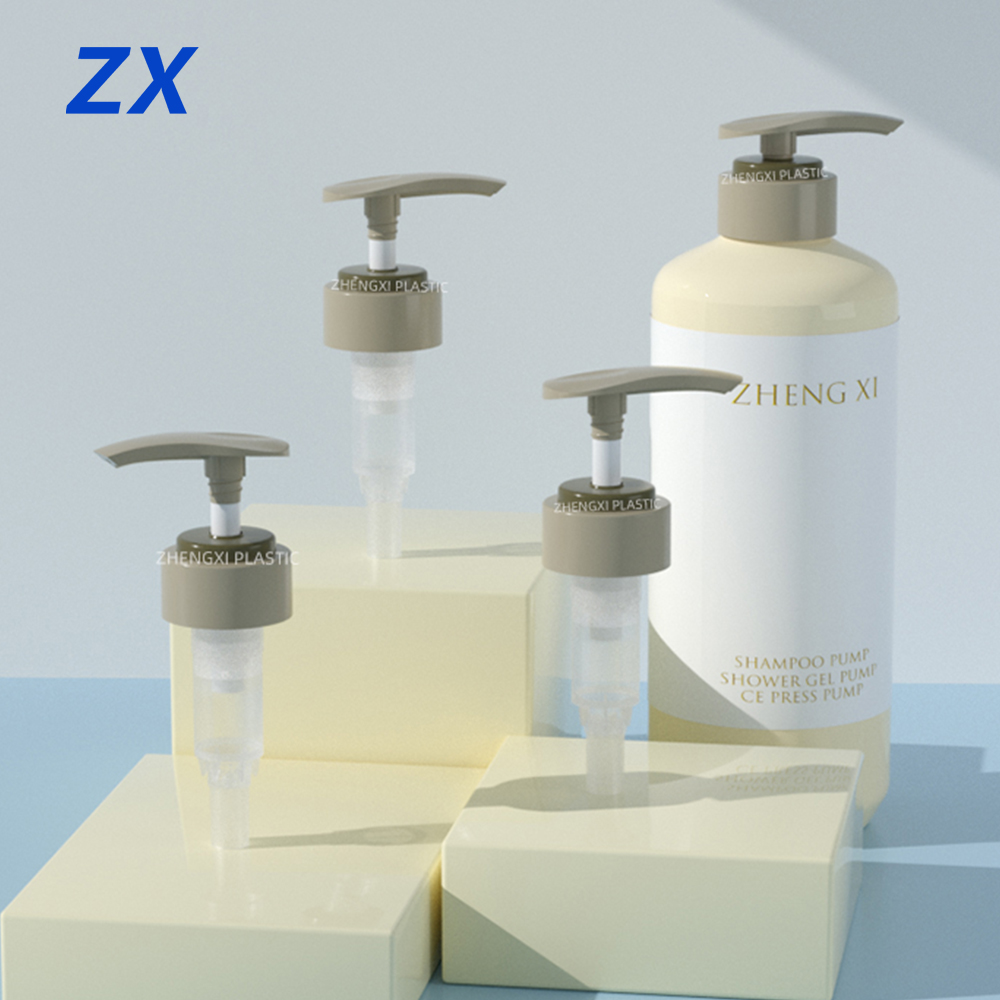
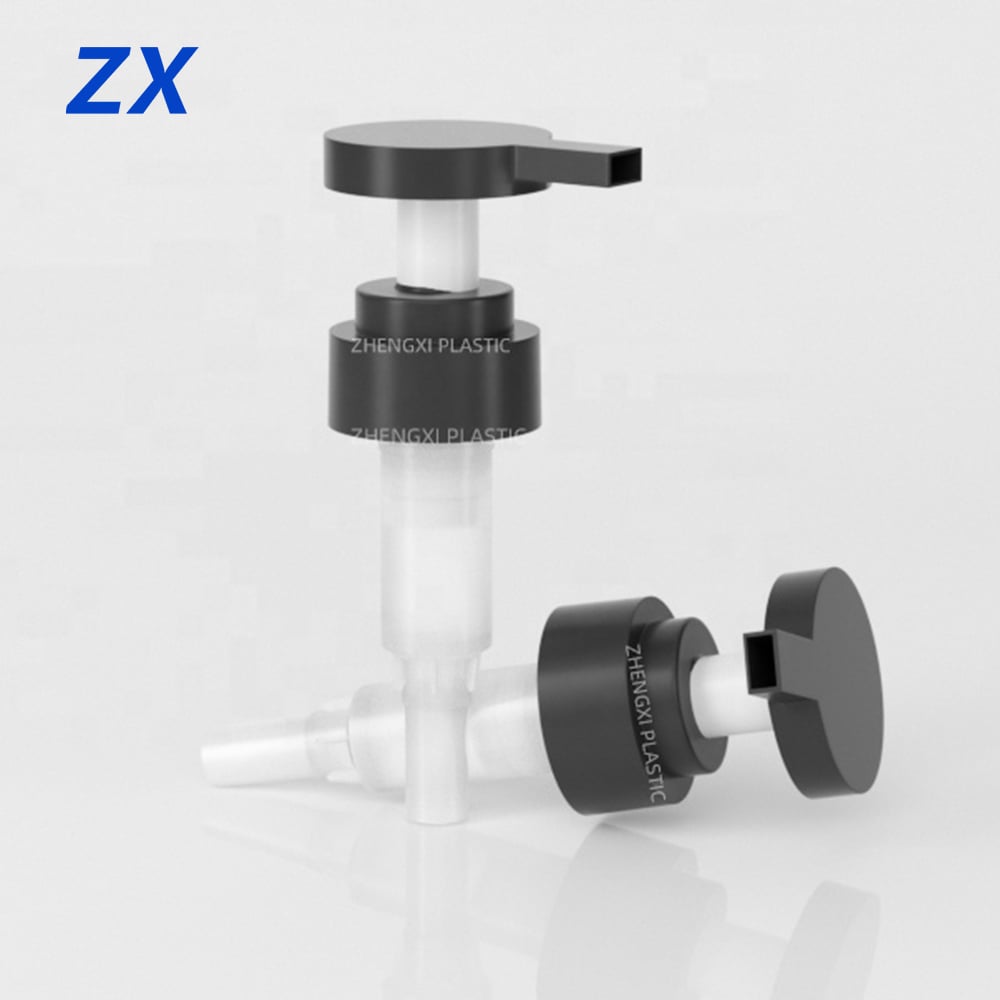
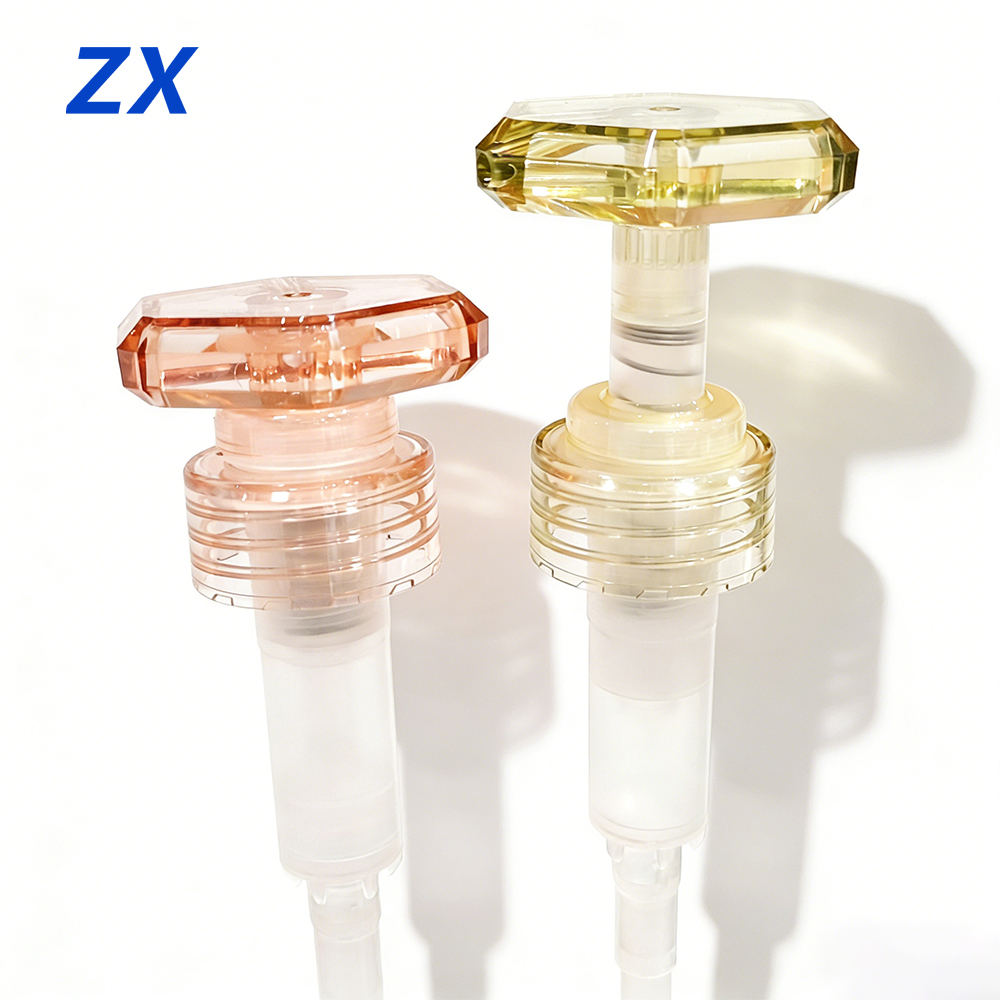
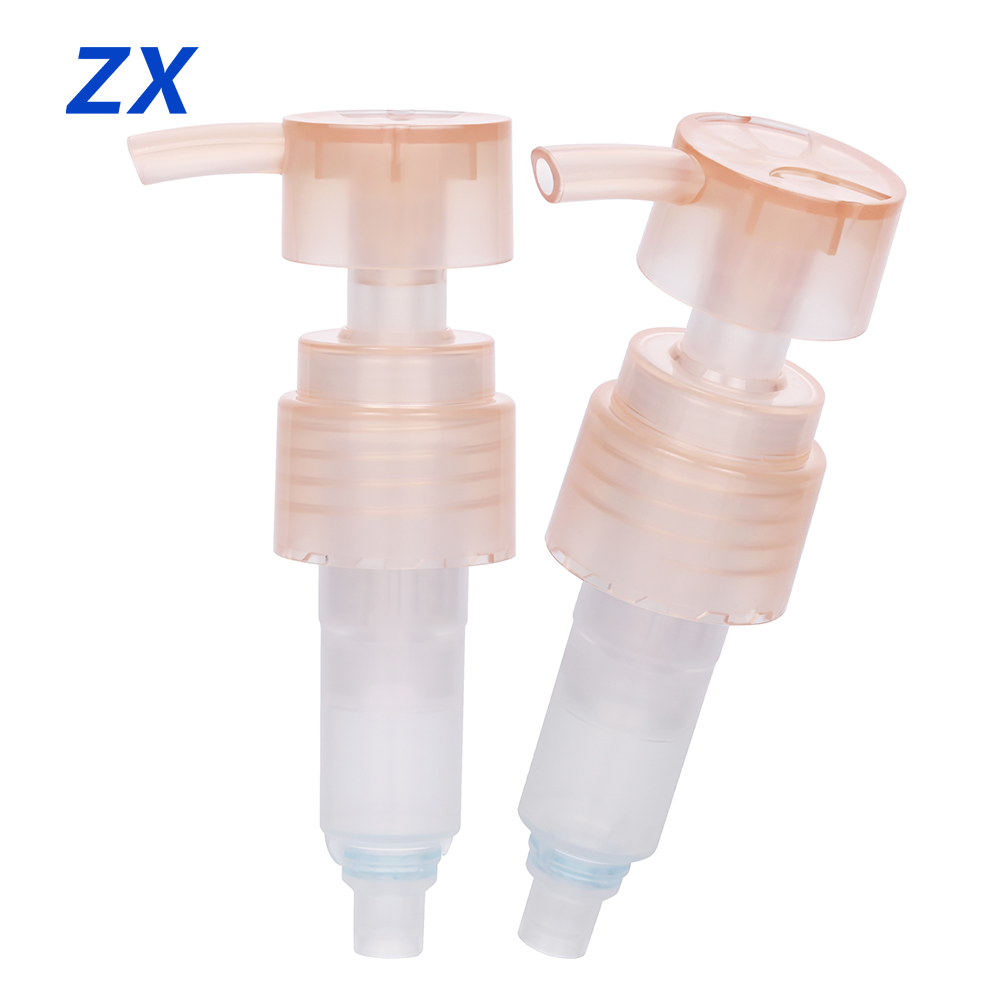
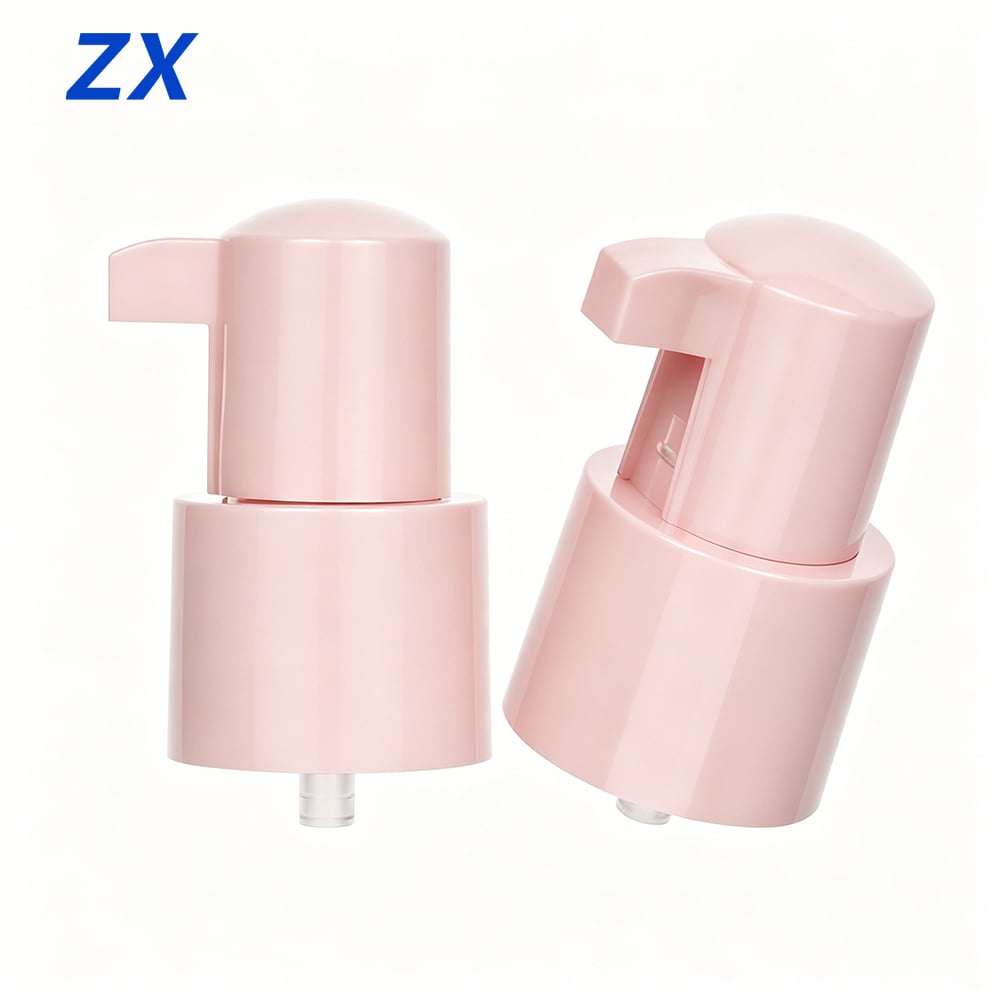
Integrating a lotion pump dispenser with automatic capping machinery represents a critical operational challenge in cosmetic and personal care manufacturing. The lotion pump dispenser must work seamlessly with high-speed capping systems to ensure product quality, minimize waste, and maintain production throughput. This integration requires careful attention to mechanical compatibility, timing coordination, and quality control measures. Understanding the proper integration methodology allows manufacturers to optimize their production lines and reduce downtime significantly.
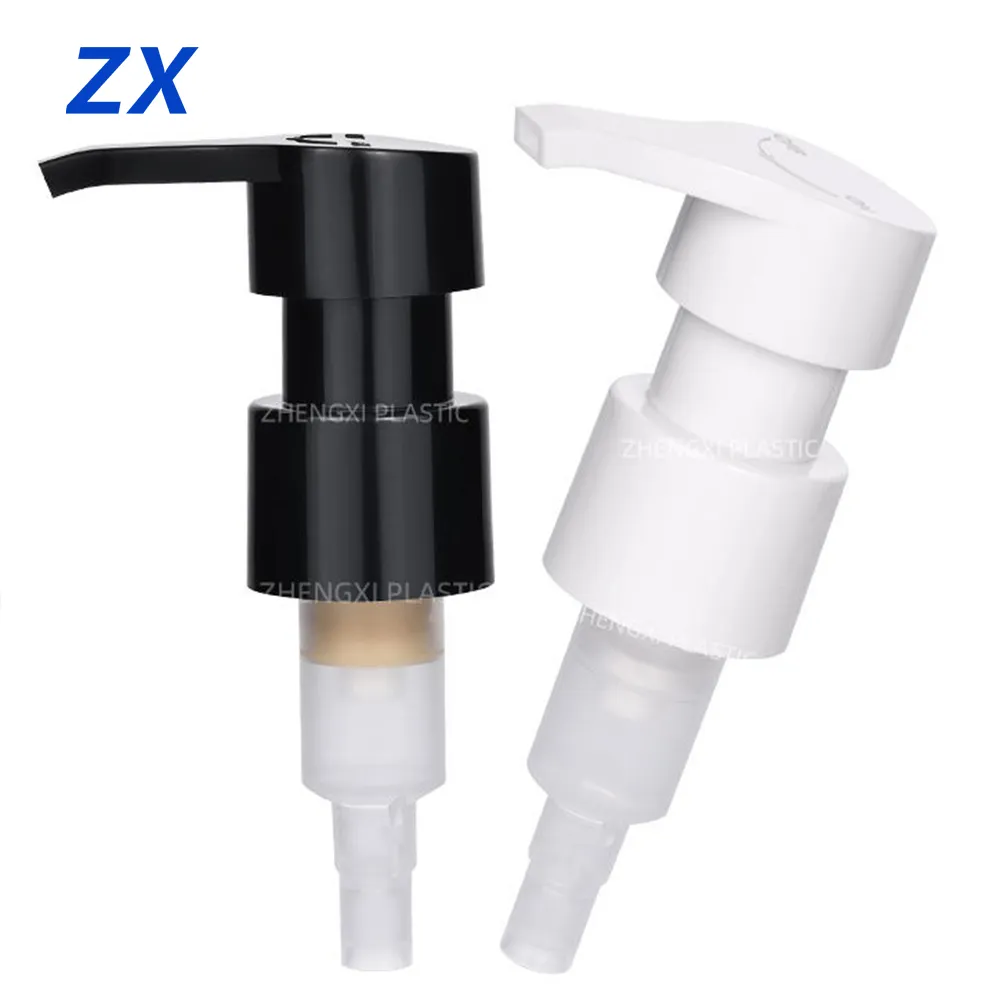
The lotion pump dispenser serves as the delivery mechanism that fills bottles with precise amounts of product before caps are applied. When paired with automatic capping machinery, the lotion pump dispenser must synchronize perfectly with the capping system's conveyor speed and positioning accuracy. Improper integration leads to misaligned caps, product spillage, and reduced production efficiency. This guide explores the essential steps for achieving reliable integration between your lotion pump dispenser and automated capping equipment.
Before integrating a lotion pump dispenser with automatic capping machinery, verify that the pump's nozzle height and spray pattern align with your bottle's opening dimensions. The lotion pump dispenser must be positioned so that product deposits directly into the bottle without splashing onto the cap application area. Measure the distance between your filling head and the bottle neck opening to ensure the lotion pump dispenser sits at the correct vertical position. Many integration failures occur because the lotion pump dispenser height wasn't properly calibrated relative to the capping station's pickup position.
The lotion pump dispenser's thread size and internal components must match your bottle specifications exactly. Standard lotion pump dispenser models come in 20mm, 24mm, and 28mm thread diameters. Confirm that your chosen lotion pump dispenser matches your bottle's threading before assembly. Incompatibility between the lotion pump dispenser and bottle threads causes leakage, reduces seal quality, and creates problems when the automatic capping machinery attempts to apply caps. Additionally, check whether your lotion pump dispenser features a no-leak design to prevent product waste during production transitions.
Automatic capping machinery operates on precise conveyor cycles that determine how quickly bottles move through the filling and capping stations. Your lotion pump dispenser must complete its dispensing action within this cycle time to avoid bottlenecks. If the lotion pump dispenser takes three seconds to dispense while the conveyor advances every two seconds, integration will fail. Program your machinery so that the lotion pump dispenser triggers at the exact moment a bottle stops at the filling position, completes dispensing before the bottle moves to the capping station, and resets for the next cycle.
Integration success depends on synchronizing the lotion pump dispenser's stroke cycle with the automatic capping machinery's indexing mechanism. Mechanical linkages or electronic sensors ensure that the lotion pump dispenser fires only when a bottle is properly positioned. Modern systems use proximity sensors to detect bottle presence, triggering the lotion pump dispenser to activate. This prevents the lotion pump dispenser from dispensing into empty air and ensures every bottle receives the correct product volume.
Physical installation of the lotion pump dispenser begins with selecting an appropriate mounting bracket that positions the pump head directly above the bottle opening. The lotion pump dispenser mount must be rigid enough to prevent vibration during high-speed production runs, as movement causes inconsistent dispensing accuracy. Use stainless steel or aluminum brackets rated for your production speed to secure the lotion pump dispenser firmly. The lotion pump dispenser mounting height should allow easy manual adjustments without disassembling the entire filling head.
Connect your lotion pump dispenser to the product supply line using food-grade or cosmetic-grade tubing appropriate for your specific product viscosity. Some lotion pump dispenser models include integrated reservoirs, while others require external supply tanks with pressure regulators. The lotion pump dispenser should receive consistent pressure to ensure uniform dispensing volumes across all cycles. Test the lotion pump dispenser's output under production conditions before integrating it fully with the automatic capping machinery to identify any flow rate or pressure issues.
Most modern automatic capping machinery uses pneumatic or electric actuators to operate the lotion pump dispenser. If your lotion pump dispenser uses pneumatic actuation, connect it to the capping system's air supply line through a dedicated solenoid valve controlled by the main programmable logic controller (PLC). The lotion pump dispenser's solenoid valve must open precisely when a bottle reaches the filling position and close after the programmed dispensing time elapses. Electric lotion pump dispensers integrate through direct wiring to the capping machinery's control panel, allowing for precise timing adjustments through software settings.
Program your lotion pump dispenser's dispensing duration based on product viscosity, desired fill volume, and pump specifications. Thicker lotions require longer lotion pump dispenser activation times than lightweight formulations. Test multiple lotion pump dispenser cycles to confirm fill weight consistency within your acceptable tolerance range. The lotion pump dispenser's timing parameters should be documented in your production specifications for staff training and troubleshooting purposes.
Successful integration of a lotion pump dispenser with automatic capping machinery requires continuous monitoring of fill weights and product consistency. Implement a quality control checkpoint immediately after the lotion pump dispenser fills bottles but before the capping machinery applies caps. Conduct weight checks every 50 to 100 bottles to verify your lotion pump dispenser maintains accuracy throughout production runs. Variations exceeding 2% indicate that the lotion pump dispenser requires recalibration or cleaning.
The lotion pump dispenser's internal spring mechanism and check valve can accumulate product residue over time, reducing accuracy and increasing cycle time. Establish a preventive maintenance schedule that includes periodic lotion pump dispenser cleaning using appropriate solvents for your product type. A clean lotion pump dispenser delivers more consistent results and reduces downtime caused by fill weight rejections. Document all lotion pump dispenser maintenance activities to identify patterns and optimize your cleaning intervals.
When integrating a lotion pump dispenser with automatic capping machinery, common problems include inconsistent fill volumes, air bubbles in the dispense path, and timing misalignment. If your lotion pump dispenser produces varying fill weights, check whether the product supply pressure remains constant and whether the pump's intake tube maintains proper submersion depth. Air entering the lotion pump dispenser system creates inconsistent dispensing and may damage the check valve over extended operation.
Timing misalignment occurs when bottles don't reach the filling position at the exact moment the lotion pump dispenser activates. Adjust the PLC delay settings so that the lotion pump dispenser trigger aligns with bottle arrival, not departure. If caps are applied before the lotion pump dispenser finishes dispensing, increase your capping machinery's dwell time at the filling station. Proper synchronization between your lotion pump dispenser and automatic capping machinery ensures zero waste and maximum production efficiency.
Successful integration depends on thread size compatibility, nozzle height alignment with bottle openings, dispensing cycle time matching conveyor speed, and proper electrical or pneumatic actuation synchronization. The lotion pump dispenser must complete its fill operation within your capping machinery's cycle time, and the nozzle must be positioned to prevent product contact with cap application areas. Mechanical mounting stability and consistent product pressure to the lotion pump dispenser are equally critical for reliable integration.
Maintenance frequency for your lotion pump dispenser depends on production volume and product characteristics. Most manufacturers recommend cleaning the lotion pump dispenser daily if running 24-hour shifts and weekly for standard operating schedules. Thicker formulations require more frequent cleaning because residue accumulates faster. Monitor fill weight consistency to determine whether your lotion pump dispenser requires more frequent maintenance. Preventive cleaning prevents costly downtime and maintains the lotion pump dispenser's accuracy throughout its operational life.
Retrofitting is possible when the new lotion pump dispenser maintains compatible thread sizes and mounting dimensions with your existing equipment. Verify that the lotion pump dispenser's dispensing time doesn't exceed your capping machinery's cycle time and that electrical or pneumatic connections match your current control system. Most modern lotion pump dispenser models offer flexible mounting options and timing parameters that facilitate retrofitting into legacy production lines. Test the retrofitted lotion pump dispenser extensively before full production implementation to ensure seamless integration.
 Hot News
2026-09-15
2026-09-08
2026-09-01
2026-08-18
2026-08-13
2026-08-11
 EN
EN