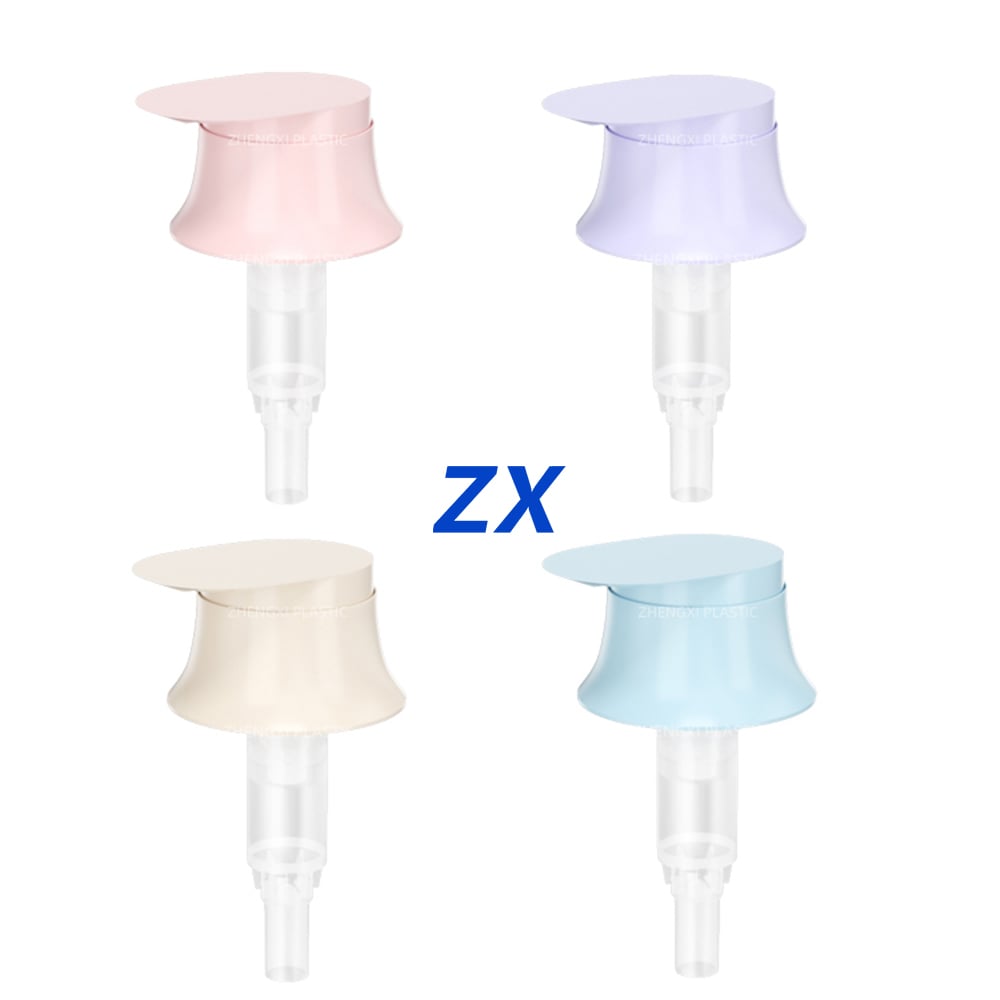
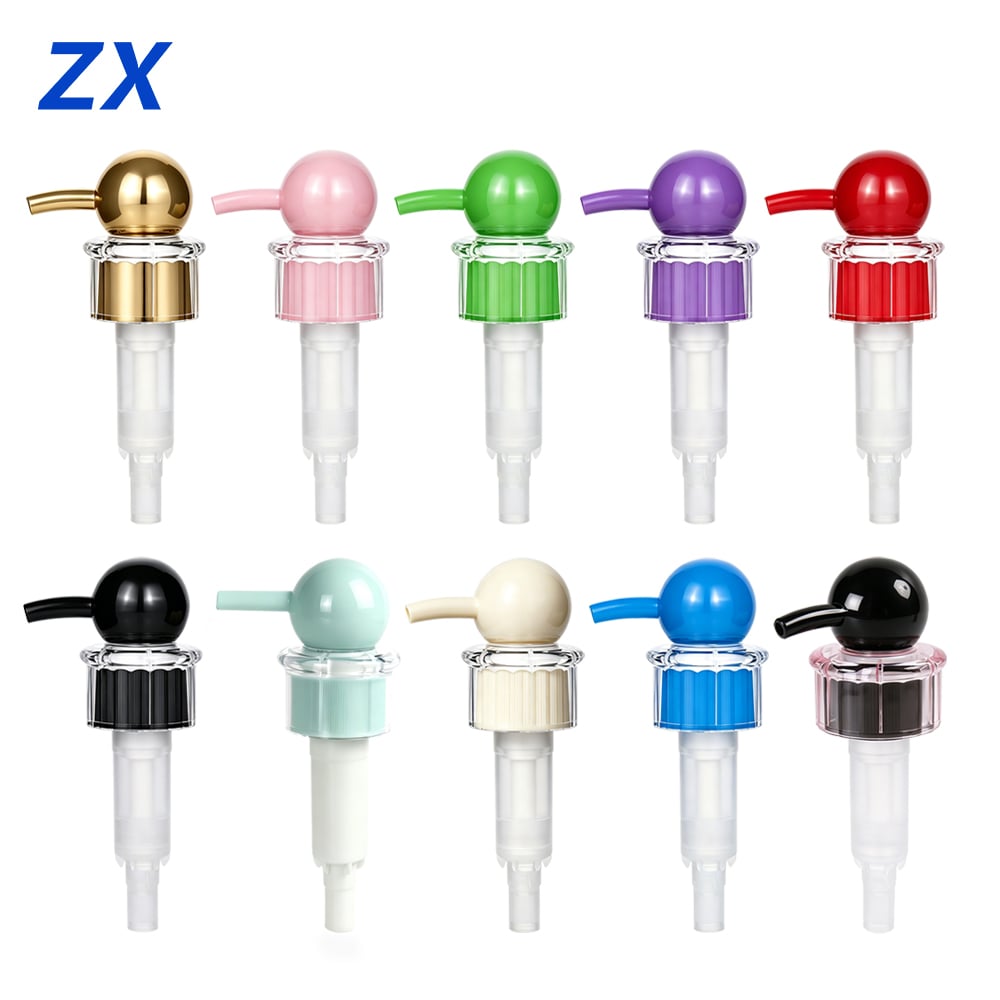
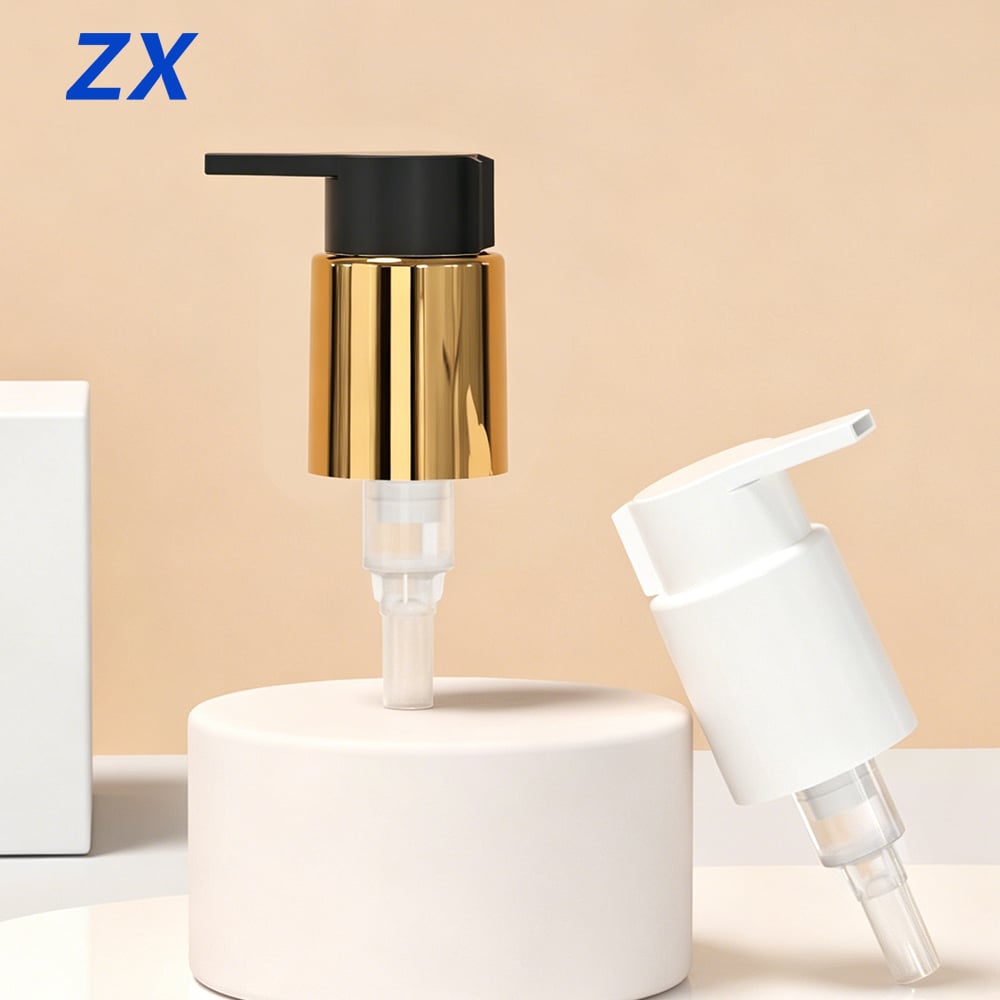
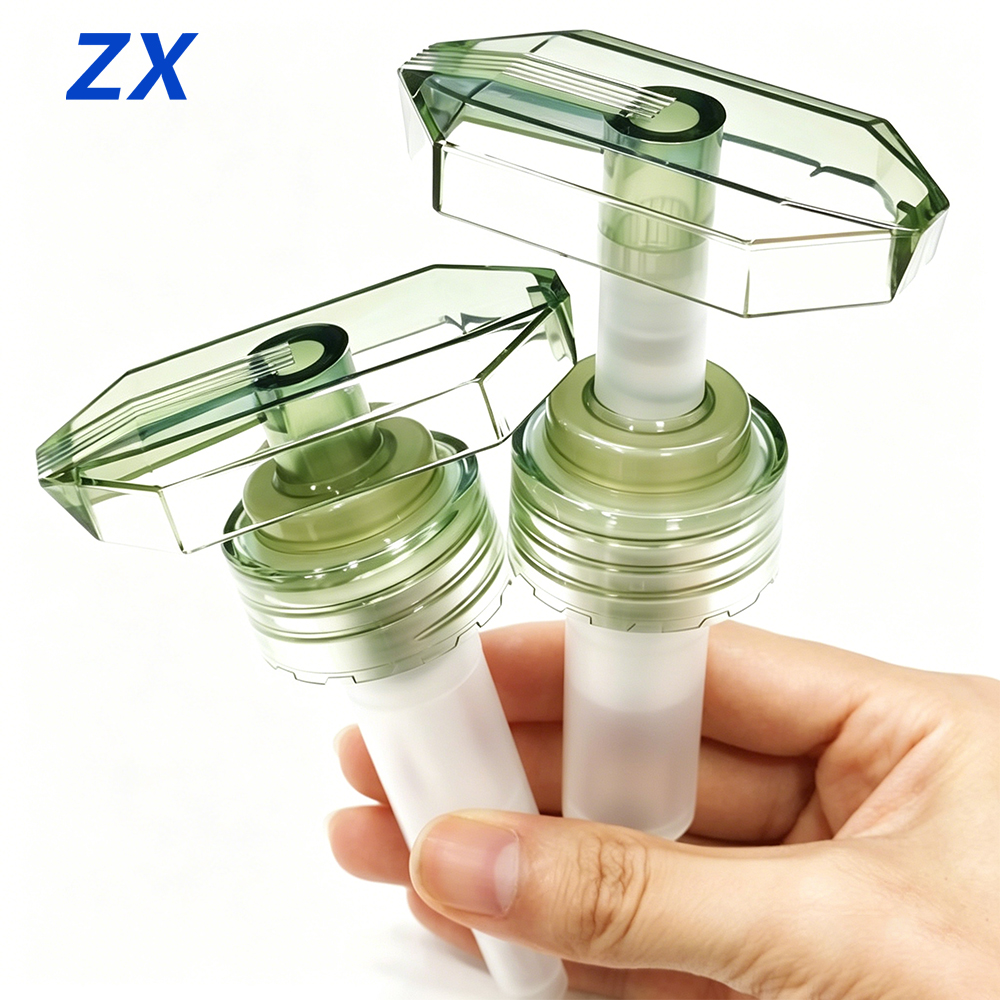
Travel-sized foaming hand sanitizers have become essential for professionals, parents, and commuters who need portable hygiene solutions. The effectiveness of these compact bottles depends significantly on the foam pump mechanism that dispenses the product. Understanding how to customize a foam pump ensures that your travel-sized foaming hand sanitizer delivers optimal performance, dispensing consistency, and user satisfaction in any environment.
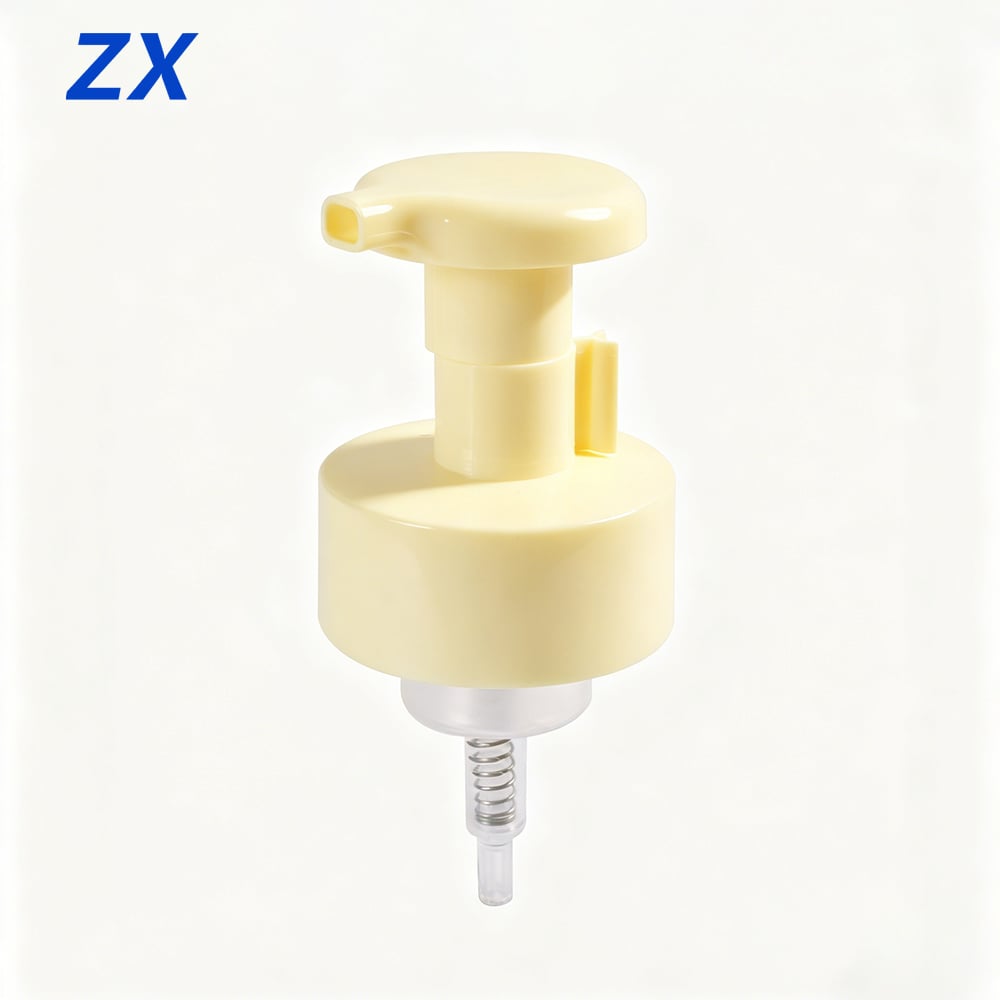
Customizing a foam pump for travel-sized applications requires balancing several technical and practical considerations. The foam pump must work reliably with smaller bottle volumes while maintaining the foaming action that makes hand sanitizers more economical and user-friendly. Whether you are a manufacturer, product developer, or brand owner, mastering foam pump customization ensures your travel-sized offerings meet market demands and consumer expectations.
A foam pump operates by mixing air with liquid to create a lightweight foam that covers the hands efficiently. The primary components include the actuator head, pump body, air intake valve, and dip tube. For travel-sized foaming hand sanitizers, each component must be precisely calibrated. The air intake mechanism in a foam pump is particularly critical because it controls the ratio of air to product. In travel-sized containers, this ratio directly impacts how many foam strokes a user can achieve from a smaller volume of sanitizer.
Travel-sized foaming hand sanitizers face unique constraints compared to full-size dispensers. The foam pump must function reliably despite limited liquid depth inside the bottle. A poorly calibrated foam pump may produce weak foam, fail to dispense properly as the bottle empties, or waste product. The dip tube length, valve responsiveness, and air chamber volume all influence performance. Customizing a foam pump to match travel bottle dimensions ensures consistent foam quality throughout the product lifecycle, from the first pump stroke to the final drops of sanitizer.
The stroke volume of a foam pump determines how much foam is dispensed with each pump action. For travel-sized foaming hand sanitizers, typical stroke volumes range from 0.5 milliliters to 1.5 milliliters per pump. A foam pump customized for travel bottles usually targets around 1 milliliter per stroke, offering a balance between efficient hand coverage and extended product life. Customizing this parameter involves adjusting the internal pump chamber size and the plunger displacement. Manufacturers can modify the foam pump's internal geometry to reduce stroke volume, making the product last longer during travel while maintaining effective foam delivery.
The air-to-liquid ratio is fundamental to foam pump performance. A foam pump that works well for travel-sized foaming hand sanitizers typically maintains a 3:1 or 4:1 air-to-liquid ratio, meaning three to four parts air mixed with one part liquid. This ratio creates durable foam that lasts on the hands without dissipating too quickly. To customize a foam pump for this optimal ratio, manufacturers adjust the air intake valve opening size and pressure sensitivity. Travel-sized bottles benefit from slightly tighter foam pump controls because the limited headspace requires precise air metering to maintain consistent foam quality as product level drops.
A foam pump's valve system must respond consistently across varying pressure conditions. In travel scenarios, bottles may experience temperature changes, altitude shifts, and pressure fluctuations. Customizing the foam pump's valve stiffness ensures reliable foam dispensing in these unpredictable environments. Travel-sized foaming hand sanitizer dispensers often require slightly stiffer valve springs compared to stationary dispensers. This customization reduces the risk of accidental leakage during transport and maintains foam quality even when the internal pressure drops as the bottle empties. Fine-tuning the foam pump's valve pressure tolerance is essential for creating reliable travel-sized products.
Not all foam pump designs suit travel-sized foaming hand sanitizers equally. When customizing, start by selecting a foam pump base model that matches your bottle neck diameter and desired stroke volume. Compact foam pump models designed for smaller dispensers typically feature reduced dip tube lengths and optimized air intake chambers specifically engineered for travel bottles. The foam pump you select should integrate seamlessly with your 50-milliliter to 250-milliliter travel containers without requiring extensive custom tooling. Pre-engineered foam pump options that support travel-sized applications reduce development time while maintaining performance standards.
Customizing a foam pump requires rigorous testing protocols. Conduct dispense tests across the entire product lifecycle, from a full bottle to near-empty conditions, documenting foam consistency, stroke count per unit volume, and valve responsiveness at each stage. Temperature variation testing ensures the foam pump maintains performance in climates ranging from cold airport terminals to warm vehicles. Pressure cycling tests simulate travel conditions and confirm the foam pump's durability. Foam quality assessment should measure bubble size, foam density, and how long the foam persists on the skin. A customized foam pump that passes these comprehensive tests ensures your travel-sized foaming hand sanitizer meets professional reliability standards.
When customizing a foam pump for commercial travel-sized foaming hand sanitizers, maintain detailed specifications documenting all modifications. Record the foam pump's stroke volume, air intake calibration, dip tube length, valve pressure ratings, and material compatibility with your sanitizer formula. This documentation supports regulatory compliance, quality control, and consistency across manufacturing batches. Customization records also enable rapid troubleshooting if field performance issues arise. Suppliers and regulatory bodies may request this foam pump customization data to verify that your travel-sized product meets safety and efficacy standards.
The ideal stroke volume for a travel-sized foam pump typically ranges from 0.8 to 1.2 milliliters per pump stroke. This volume provides sufficient foam coverage for hand hygiene while optimizing product longevity during travel. Customizing the foam pump to this range ensures users receive adequate sanitizer distribution without excessive waste, making travel-sized bottles practical for portability and cost-effectiveness across various usage scenarios.
A customized foam pump manages reduced liquid depth through optimized dip tube length and pressure calibration. The foam pump's dip tube is shortened proportionally to match travel bottle dimensions, ensuring the intake always reaches available sanitizer. Additionally, the foam pump's valve system is tuned to maintain consistent suction pressure even as liquid levels drop, preventing air lock and product waste. This customization allows reliable dispensing throughout the entire product life cycle, regardless of remaining sanitizer volume.
Yes, a foam pump can be customized to accommodate different foaming hand sanitizer formulas by adjusting air intake ratios and valve pressure settings. Variations in formula viscosity, surfactant concentration, and active ingredients may require the foam pump to compensate through modified air metering or valve sensitivity. Testing is essential to ensure the customized foam pump produces optimal foam quality with your specific sanitizer formula, maintaining both performance and user experience across different product formulations.
 Hot News
2026-10-09
2026-10-19
2026-10-01
2026-10-15
2026-10-08
2026-10-29
 EN