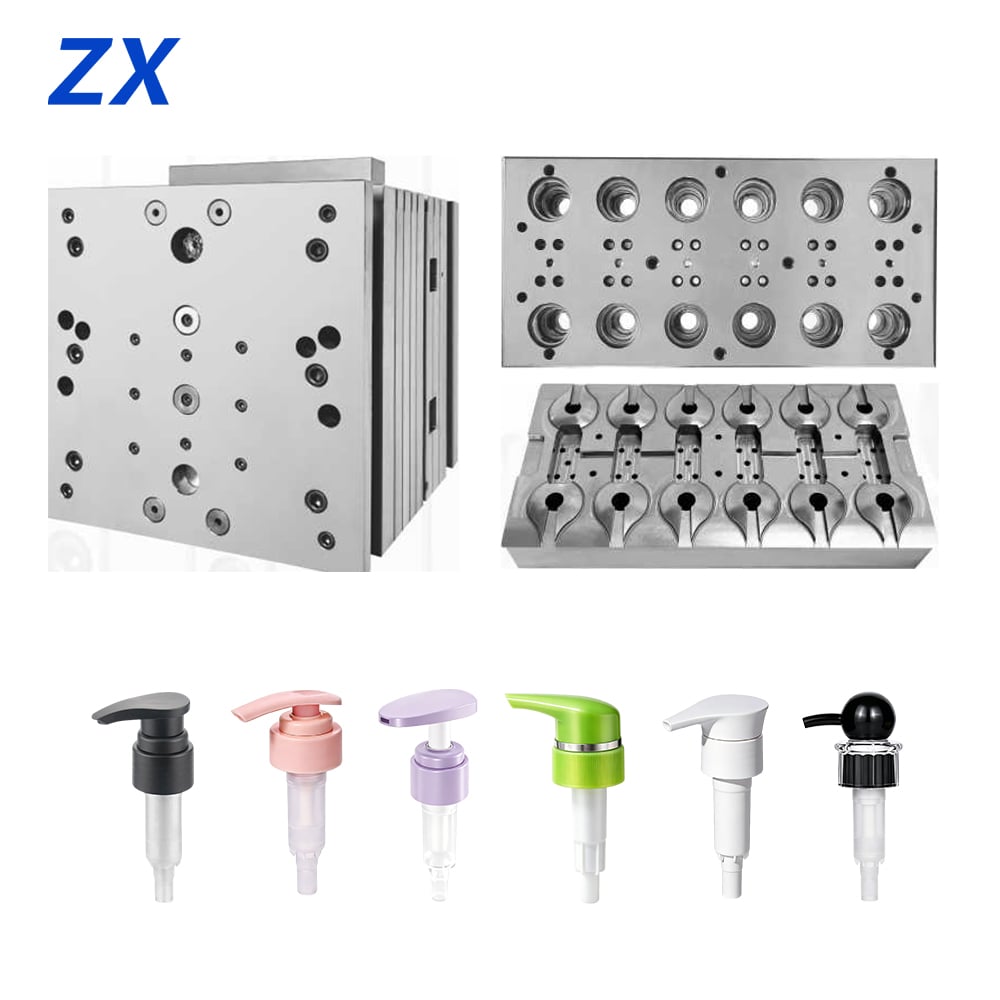
A toothpaste pump represents one of the most practical dispensing solutions for oral care products available today. Whether integrated into rigid plastic bottles or flexible squeezable tubes, a properly engineered toothpaste pump delivers consistent product portions while reducing waste and extending shelf life. This dispensing mechanism has become the standard choice for manufacturers seeking to enhance user experience, improve hygiene, and differentiate their brands in an increasingly competitive oral care market.
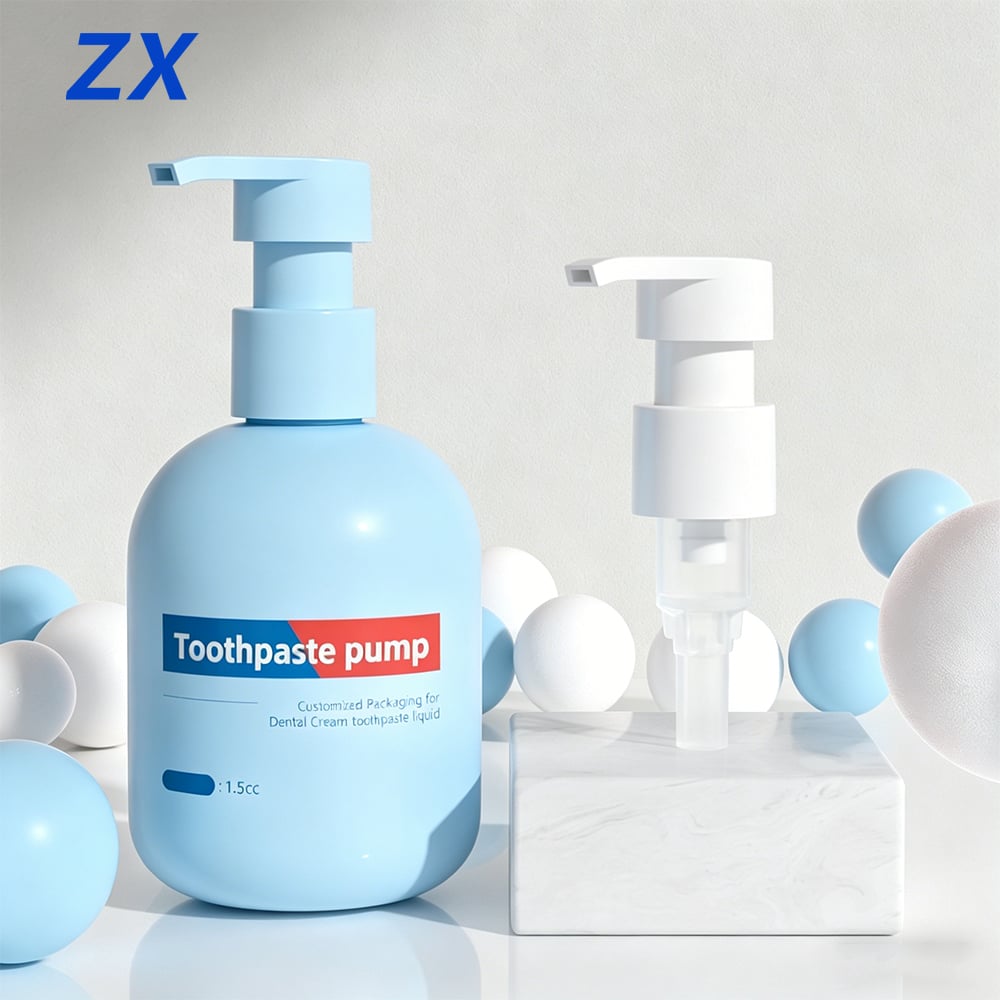
The toothpaste pump design landscape encompasses multiple functional approaches, each suited to specific packaging formats and consumer preferences. Understanding how different toothpaste pump configurations work, their compatibility with various container materials, and their operational advantages is essential for manufacturers, brand managers, and packaging engineers. This comprehensive guide explores the mechanics, materials, installation requirements, and practical applications of toothpaste pump systems for both tube and bottle packaging formats.
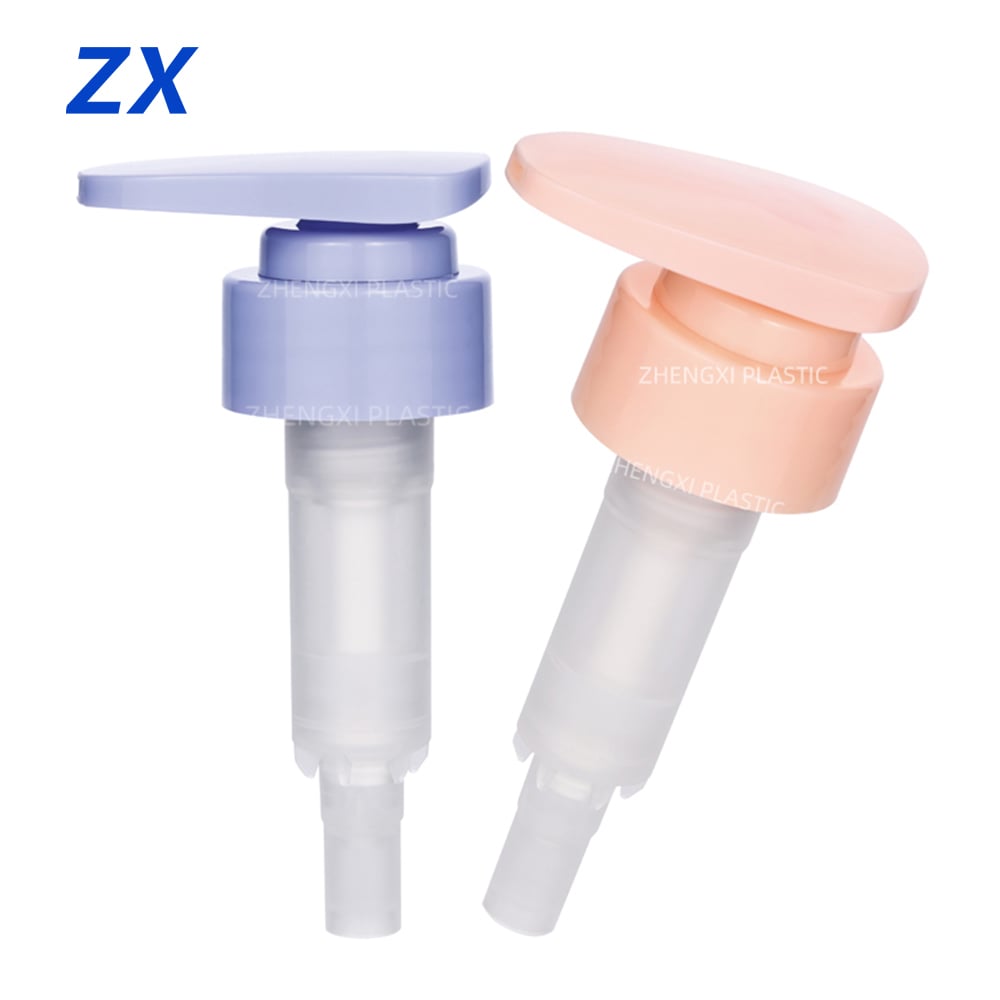
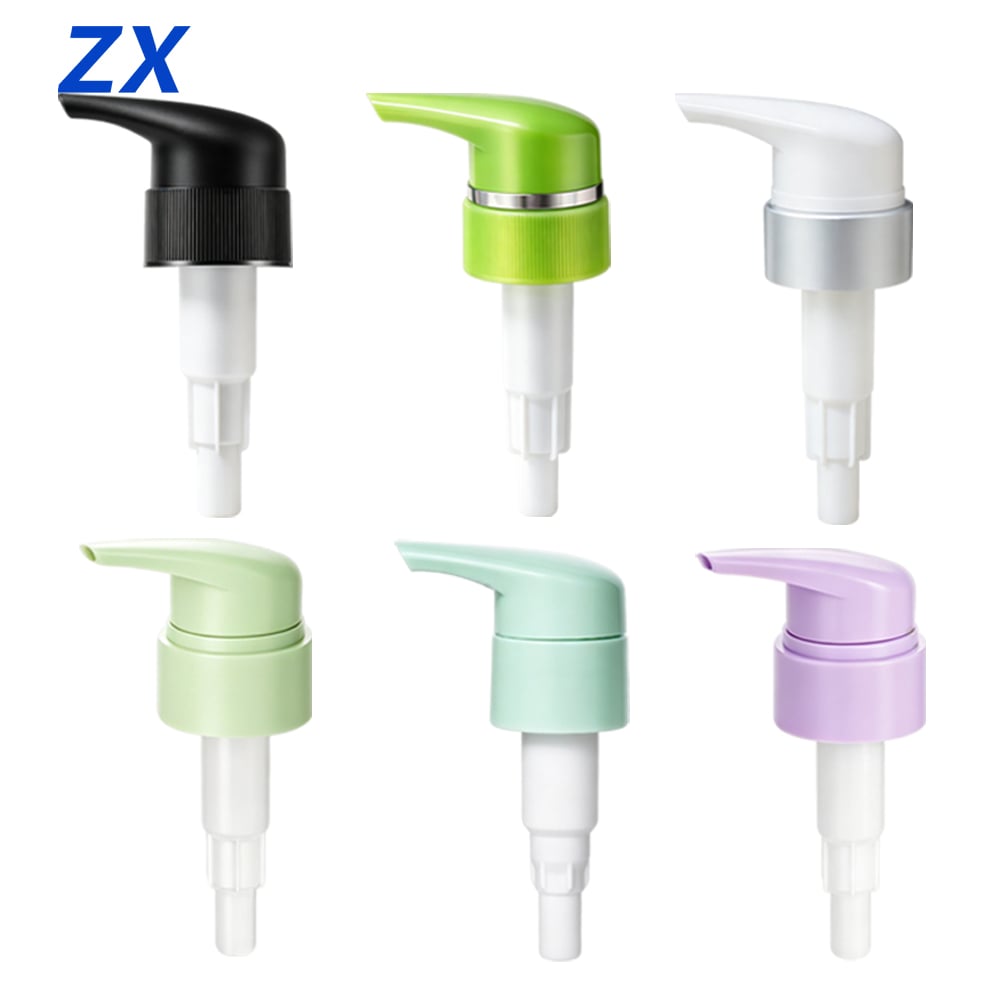
The toothpaste pump operates through a series of coordinated mechanical actions designed to draw product upward through an internal tube and expel it through a dispensing head. Most toothpaste pump designs rely on a piston or plunger mechanism housed within an external collar that attaches to the container opening. When a consumer depresses the pump head, internal seals create pressure differentials that pull toothpaste from the reservoir below, while subsequent strokes dispense precise amounts of product. This mechanical reliability ensures consistent dosing across millions of pump cycles throughout the product lifecycle.
Effective toothpaste pump design demands sophisticated sealing solutions that prevent leakage while accommodating the thick, viscous nature of toothpaste formulations. The toothpaste pump must generate adequate compression to overcome product resistance without requiring excessive force from the consumer. Elastomer seals, typically manufactured from silicone or rubber compounds, create the pressure boundaries necessary for reliable operation. A toothpaste pump designed for higher-viscosity formulations incorporates wider seal diameters and reinforced piston systems compared to pumps engineered for lower-viscosity gel products, demonstrating how formulation compatibility influences toothpaste pump performance requirements.
Rigid plastic bottles represent the primary packaging format for toothpaste pump applications, offering structural support for the dispensing mechanism and maintaining product integrity throughout the consumer journey. A toothpaste pump mounted on a rigid bottle features an external collar that screws or snaps onto a standardized neck finish, typically 18mm to 24mm in diameter. The toothpaste pump draws product through a dip tube submerged in the toothpaste reservoir, allowing consumers to extract every drop of product. This configuration provides stability, enables precise engineering of internal passages, and accommodates advanced features like adjustable flow rate controls or dosage measurement mechanisms within the toothpaste pump assembly.
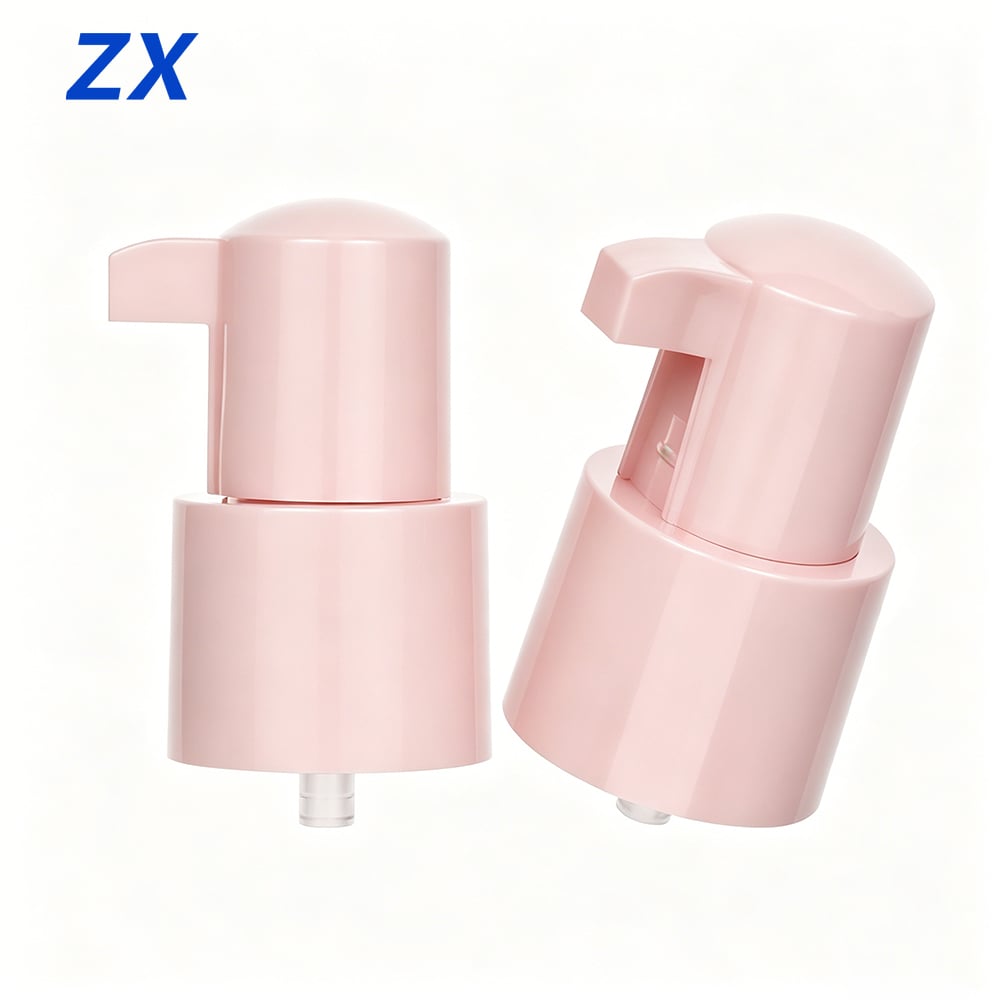
Flexible toothpaste tubes present unique engineering challenges for toothpaste pump integration because the container itself cannot provide structural support to the dispensing mechanism. Modern tube-mounted toothpaste pump designs incorporate reinforced flanges or mounting plates that distribute mechanical forces across a larger tube surface area, preventing deformation or separation during normal use. Some toothpaste pump variants designed for tubes utilize bellows-like internal structures that expand and contract with the tube squeeze action, creating an integrated system where the container and toothpaste pump function as a coordinated unit. This approach requires specialized material compatibility assessments since the toothpaste pump components must resist adhesive bond lines and periodic tube flexing without cracking or releasing internal seals.
Toothpaste pump bodies are predominantly manufactured from engineering polymers that balance cost efficiency, chemical resistance, and structural durability. Polypropylene remains the most common choice for toothpaste pump housings due to its excellent resistance to toothpaste formulation ingredients, including fluoride compounds, abrasives, and surfactants that can degrade inferior materials. Polyethylene-based toothpaste pump components offer flexibility advantages for certain applications, while specialized polymers such as polyacetal copolymers provide enhanced rigidity and surface finish quality. The toothpaste pump manufacturer selects base materials that maintain dimensional stability across ambient temperature variations, ensuring consistent dispensing performance whether stored in warm bathrooms or refrigerated environments.
The toothpaste pump seal system represents the critical component determining product retention, hygiene performance, and operational lifespan. Silicone elastomers dominate toothpaste pump seal applications because they resist toothpaste formulation ingredients without hardening or losing elasticity over extended contact periods. EPDM rubber alternatives offer cost advantages for certain toothpaste pump configurations while maintaining acceptable chemical compatibility for standard formulations. A toothpaste pump manufacturer conducting material validation assesses seal performance through extended soak tests, compression set measurements, and cyclic pressure testing to confirm that chosen elastomers maintain sealing capability after thousands of pump cycles. Inferior seal materials can allow product leakage, bacterial contamination, or loss of volatile toothpaste ingredients, making material selection integral to toothpaste pump quality assurance processes.
A toothpaste pump eliminates direct hand contact with product, creating significant hygiene advantages compared to traditional tube squeezing or cap-and-scoop dispensing methods. The enclosed toothpaste pump mechanism prevents airborne bacteria, bathroom aerosols, and moisture from contaminating the product reservoir. Families sharing toothpaste benefit substantially from toothpaste pump designs since individual dosing reduces cross-contamination risks inherent to open-container formats. This hygiene attribute has become increasingly important to consumers following heightened awareness of antimicrobial best practices, making the toothpaste pump a competitive differentiator for personal care brands emphasizing family safety and product integrity.
Toothpaste pump design directly addresses consumer over-dispensing behavior that results in excessive product waste and shortened packaging lifecycle. By delivering pre-measured portions with each pump stroke, toothpaste pump mechanisms encourage appropriate usage quantities recommended by dental professionals. A single toothpaste pump stroke typically dispenses 0.5 to 1.0 grams of product, aligning with dental association guidelines for effective brushing. Consumers report greater product satisfaction when using toothpaste pump systems because the controlled dispensing creates perception of improved value, even when unit pricing remains comparable to traditional tube formats. For manufacturers, toothpaste pump adoption correlates with reduced per-use product quantity, potentially extending perceived package life and improving consumer retention metrics.
Toothpaste pump ergonomics significantly influence adoption rates among elderly consumers, individuals with limited hand strength, or users with arthritis or mobility challenges. A well-engineered toothpaste pump requires minimal force activation, enabling single-hand operation without requiring sustained squeezing pressure. Pump head design innovations, such as oversized surfaces or contoured depression zones, improve grip comfort and reduce activation effort compared to conventional tube formats. Some toothpaste pump manufacturers incorporate spring-assist mechanisms that facilitate automatic return to neutral position, eliminating repetitive straining. These accessibility considerations expand the addressable market for toothpaste pump-based packaging, particularly within aging demographic segments prioritizing convenience and reduced physical demand.
Most toothpaste pump designs incorporate product-specific tuning that optimizes performance for particular viscosity and flow characteristics, making direct refilling inadvisable. Cross-product use of a toothpaste pump can result in inadequate or excessive dispensing, seal degradation from incompatible formulation ingredients, or hygiene concerns from product residue. Some manufacturers design universal toothpaste pump systems with adjustable internal components, but reuse requires thorough cleaning protocols and verification of material compatibility. For consumers seeking sustainability, manufacturers increasingly offer refillable toothpaste pump cartridges or bulk product supplies compatible with existing pump heads, providing environmental benefits without sacrificing toothpaste pump performance or hygiene standards.
Standard toothpaste pump designs accommodate product viscosity ranging from approximately 500 to 10,000 centipoise, encompassing most conventional toothpaste formulations from liquid gel products to thicker paste variants. High-performance toothpaste pump systems with reinforced pistons and specialized seals can dispense even thicker formulations exceeding 15,000 centipoise. Specialized paste products containing abrasive particles, whitening particles, or thickening agents require toothpaste pump engineering validation to confirm that internal passages remain clear and seals maintain compression integrity. Manufacturers formulating new toothpaste products should conduct dispensing trials with proposed toothpaste pump models before finalizing packaging configurations to ensure optimal performance across intended product shelf life.
Toothpaste pump maintenance primarily involves preventing dried product accumulation around the pump head and maintaining seal moisture to preserve elasticity. Consumers using toothpaste pump systems should rinse the pump head after each use to prevent product hardening that can compromise subsequent dispenses. Stored toothpaste pump packages should remain upright to ensure the dip tube remains submerged in product, preventing air entry that can create dispensing inconsistencies. Under proper storage conditions and routine rinsing, a toothpaste pump typically delivers reliable performance across the entire product shelf life, often exceeding 24 months. Manufacturers provide user guidance documentation emphasizing these maintenance practices to maximize consumer satisfaction and reduce reported product performance issues related to toothpaste pump malfunction.
 Hot News
2026-10-09
2026-10-19
2026-10-01
2026-10-15
2026-10-08
2026-10-29
 EN