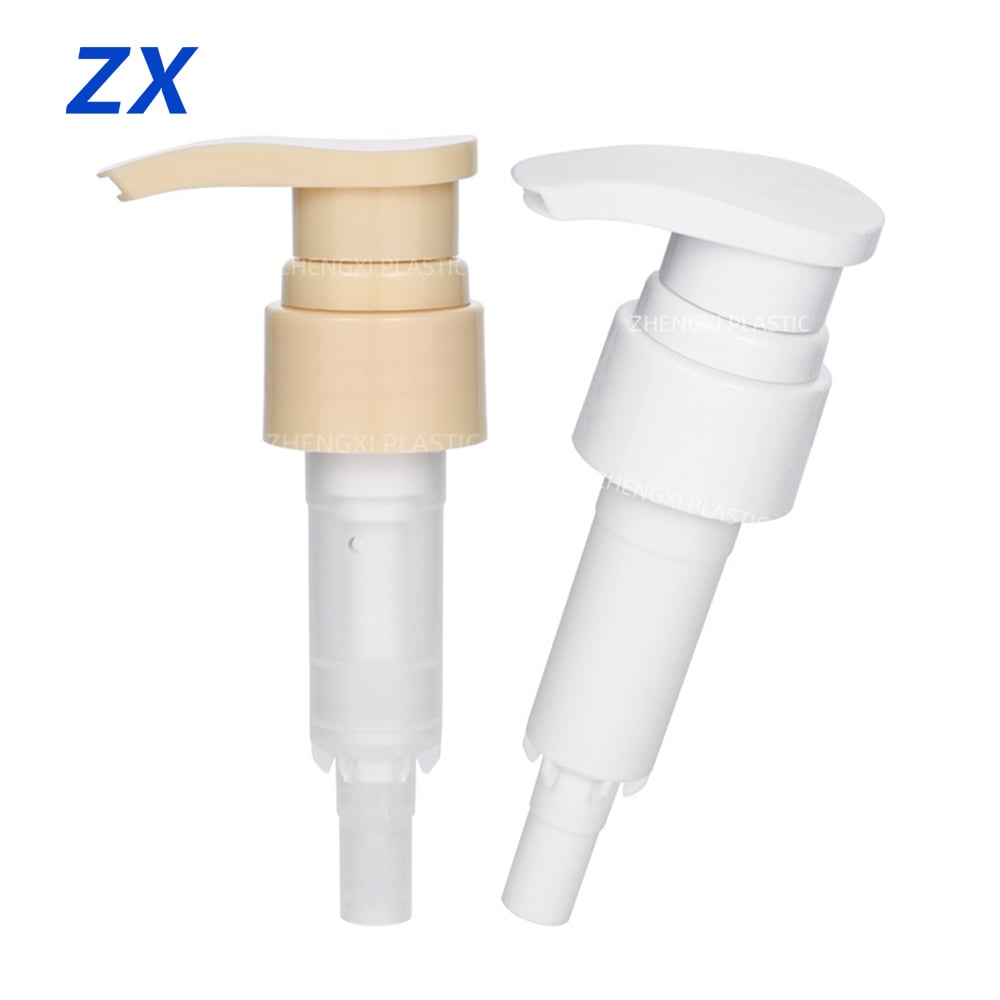
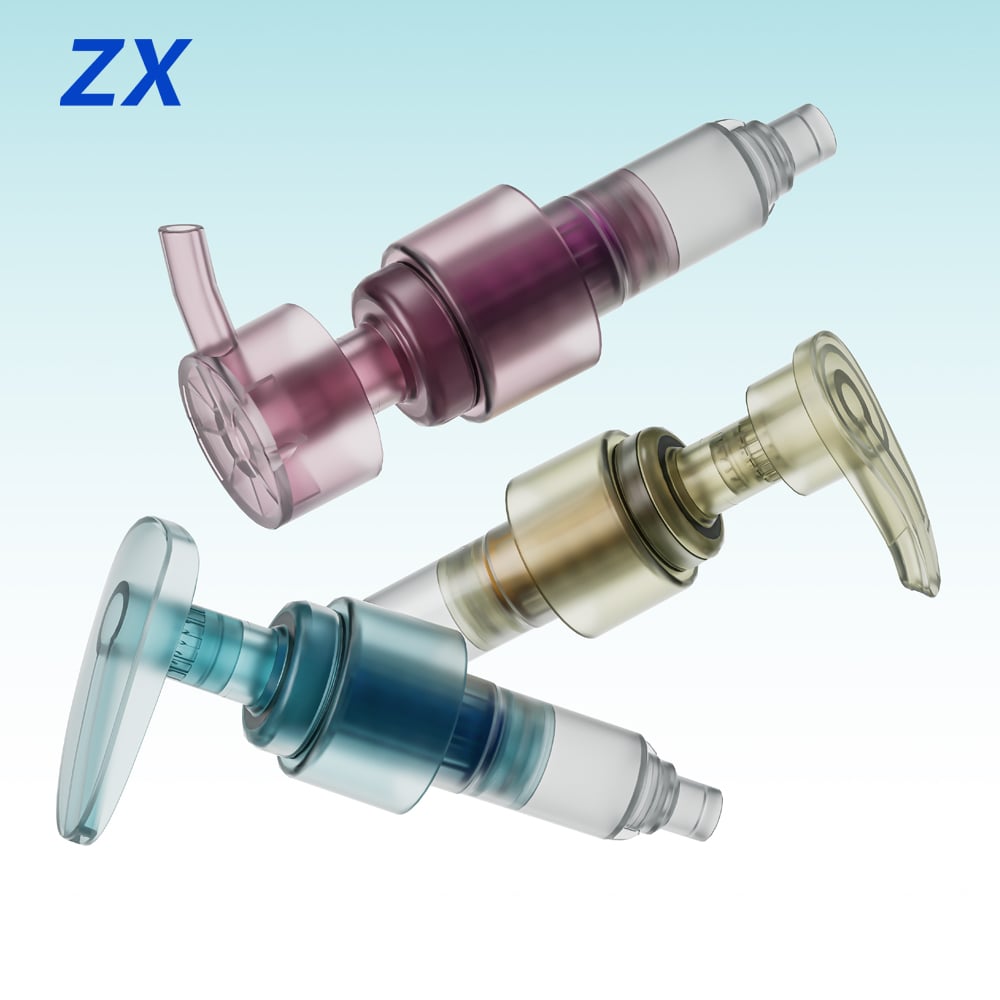
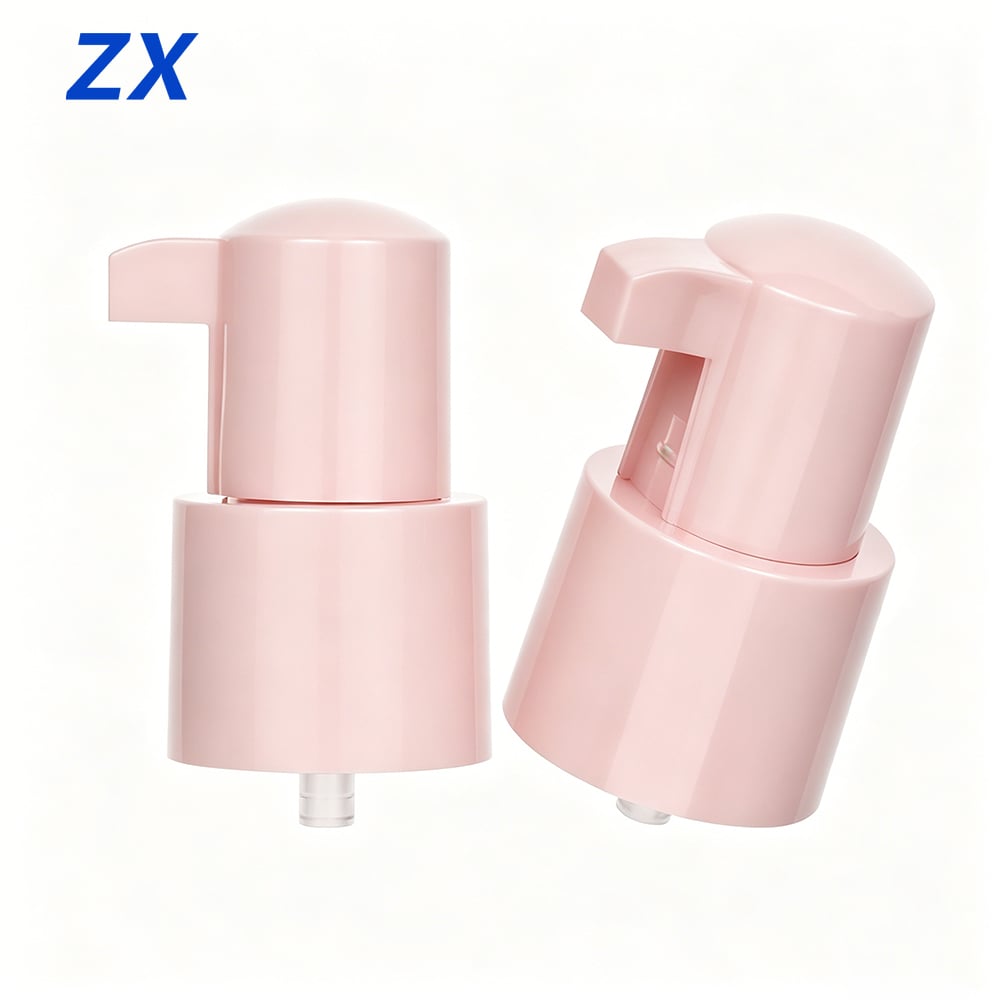
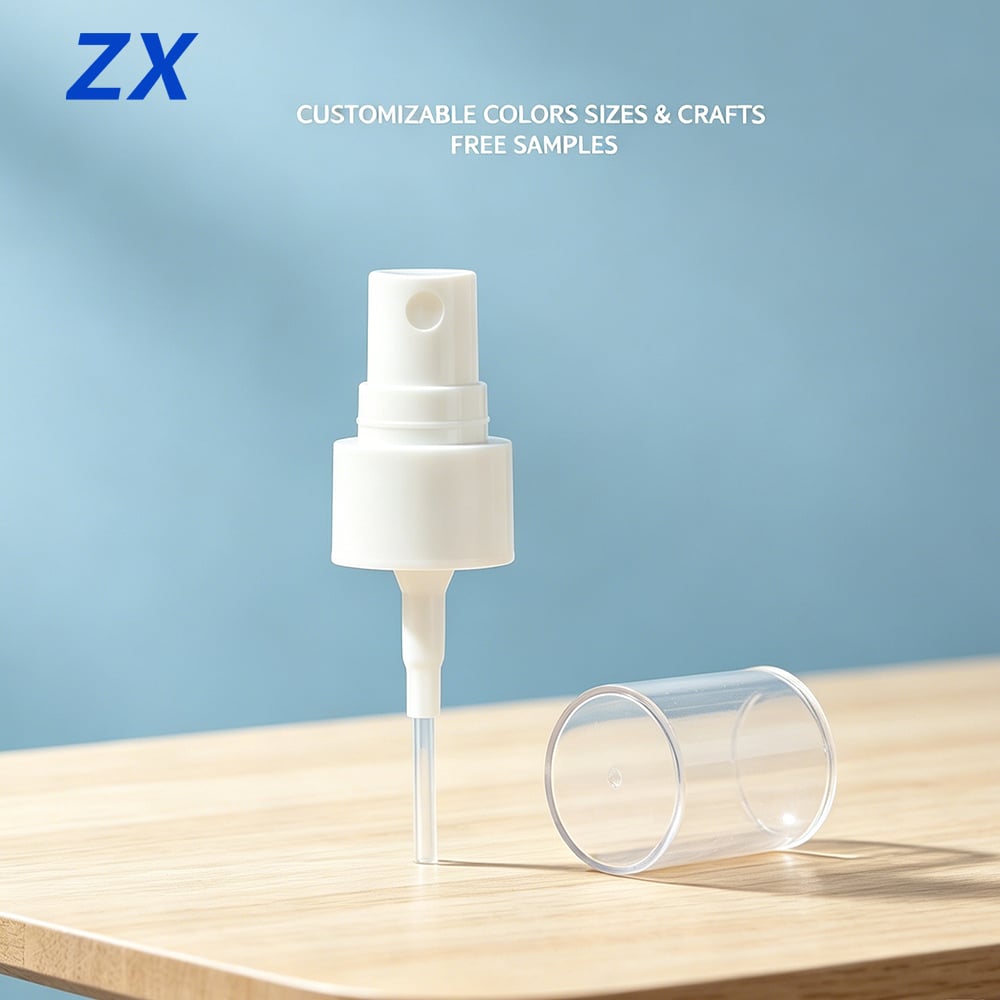
Selecting the right treatment pump for your daily-use dosage requirements is a critical decision that directly impacts product efficacy, user satisfaction, and operational costs. Many manufacturers and end-users overlook the importance of precisely matching treatment pump output specifications to their intended dosage volume, resulting in inconsistent application, product waste, or insufficient therapeutic delivery. This article explores the essential factors and methodologies for aligning treatment pump performance with your specific dosage recommendations, ensuring every dispense delivers the correct amount of active ingredient or formulation.
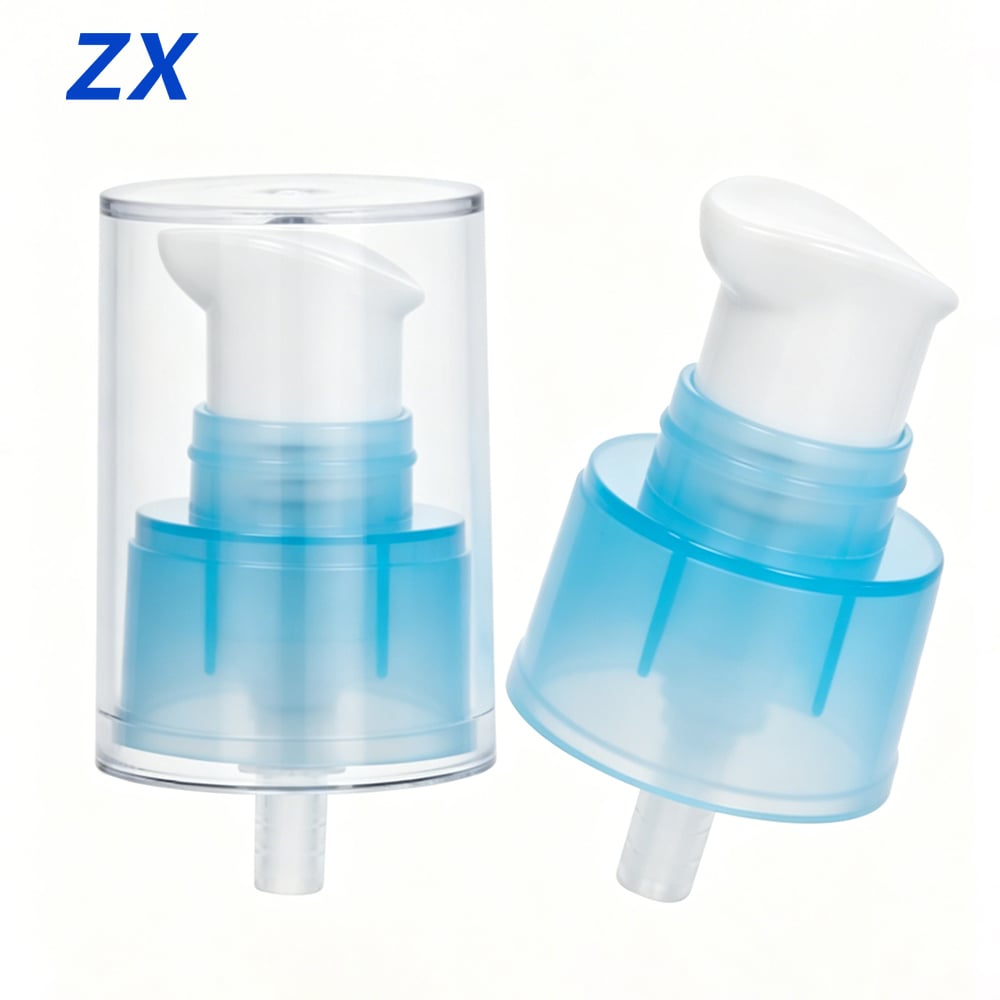
Understanding the relationship between treatment pump stroke volume, actuation force, and actual dosage delivery is fundamental to product development and consumer safety. A well-calibrated treatment pump ensures consistent results across production batches, reduces liability risks, and enhances brand reputation. Whether you're formulating pharmaceuticals, cosmetics, or specialty treatments, this guide will help you make informed decisions about treatment pump selection and optimization.
The treatment pump stroke volume represents the amount of liquid dispensed with each complete actuation cycle. This measurement, typically expressed in milliliters or microliters, forms the foundation of dosage matching. A treatment pump with a 5 mL stroke volume will deliver 5 mL per pump action, whereas a treatment pump engineered for precision applications might dispense 0.5 mL or even smaller increments. Understanding your treatment pump specifications is essential before any dosage comparison can occur.
The delivery rate of a treatment pump also depends on actuation frequency. Clinical or home-use settings may require different treatment pump speeds based on user comfort, application method, and treatment duration. Some treatment pump designs prioritize consistent delivery regardless of applied force, while others feature variable output based on pressure applied. Documenting the actual performance of your chosen treatment pump under real-world conditions is crucial for accurate dosage validation.
A treatment pump constructed from materials incompatible with your formulation can degrade over time, altering output characteristics and compromising dosage accuracy. For instance, a polypropylene treatment pump may swell when exposed to aggressive solvents, reducing stroke volume and delivering less product than intended. Conversely, corrosive formulations can wear internal treatment pump components, causing output to increase unpredictably over the product's shelf life.
Selecting a treatment pump with chemically compatible elastomers, springs, and displacement chambers ensures output remains stable throughout the product lifecycle. Materials like polypropylene, polyethylene, stainless steel, and fluorinated elastomers offer predictable performance across many treatment applications. Before finalizing your treatment pump selection, conduct compatibility testing with your formulation over the expected storage period to confirm output consistency.
The first step in matching a treatment pump to your dosage recommendations involves defining the precise therapeutic or cosmetic dose per application. If clinical data or product guidelines specify 2 mL per treatment, your treatment pump must deliver exactly 2 mL with minimal variation. A treatment pump engineered for 1 mL strokes would require two actuations; conversely, a treatment pump with 3 mL capacity would necessitate 67% of a single stroke, creating user error and inconsistency.
Consider the frequency of use as well. If patients apply treatment twice daily, monthly consumption becomes a measurable variable for supply planning and compliance monitoring. A treatment pump that precisely delivers the daily dose reduces confusion, improves adherence, and simplifies dosage tracking. Multi-dose treatment pump designs with audible or tactile feedback mechanisms further enhance user confidence in correct application.
Formulation viscosity significantly influences how a treatment pump performs in practice. A thin, watery treatment formulation flows freely through a treatment pump displacement chamber, delivering the full theoretical stroke volume with minimal effort. Thick, highly viscous formulations require greater actuation force and may not fully evacuate the treatment pump chamber during a single stroke, delivering less than the design volume.
When selecting a treatment pump, request output data measured with your actual formulation viscosity and temperature conditions. A treatment pump performing perfectly with water may underdeliver a 50,000 centipoise gel by 10 to 15 percent. Manufacturers should provide viscosity-adjusted treatment pump output specifications or conduct in-container testing to verify real-world performance matches your dosage expectations.
Before commercializing any product with a treatment pump, comprehensive validation studies must confirm dosage accuracy under all specified conditions. Conduct at least 30 dispenses of your treatment pump at room temperature, refrigerated conditions, and elevated temperatures if applicable, weighing or volumetrically measuring each dispense to quantify output variation. A treatment pump delivering between 4.8 and 5.2 mL from a nominal 5 mL design demonstrates acceptable consistency; outputs deviating beyond this range indicate either device design issues or formulation incompatibility.
Accelerated stability testing should include treatment pump performance checks at 0, 3, 6, and 12 months under storage conditions. If a treatment pump output decreases progressively, chemical interaction or material degradation is occurring. Conversely, increasing treatment pump output may indicate spring relaxation, elastomer swelling, or formulation separation. These deviations directly affect patient safety and product efficacy, making rigorous treatment pump validation non-negotiable.
Even the most precisely engineered treatment pump cannot guarantee correct dosing if users apply it incorrectly. Provide clear printed instructions explaining that each full treatment pump actuation delivers one complete dose, and that partial strokes or excessive force may alter the output. Include visual cues on packaging indicating where the treatment pump should be positioned for optimal delivery, and recommend testing the treatment pump over a sink before first use to verify normal operation.
For healthcare settings, pharmaceutical monitoring systems can track treatment pump usage patterns, alerting clinicians if patient adherence deviates from expected dosing frequency. This data feedback loop helps validate that the selected treatment pump is delivering the intended dose reliably in actual clinical practice, not just in laboratory conditions. Continuous monitoring transforms treatment pump selection from a one-time decision into an ongoing quality assurance process.
Mismatched treatment pump output creates significant risks. If the treatment pump delivers less than recommended, patients receive subtherapeutic doses, compromising treatment efficacy and potentially enabling disease progression or worsening of symptoms. Conversely, a treatment pump delivering more than intended increases side effect risk, accelerates product depletion, and may trigger adverse events. Additionally, inconsistent treatment pump output across different containers in the same batch erodes consumer trust and complicates clinical interpretation of results. Always validate treatment pump performance against your dosage specification before market release.
Minor treatment pump adjustments are sometimes possible by modifying spring tension or chamber geometry, but such changes require full revalidation, regulatory notifications, and potentially new stability studies. Major treatment pump output redesigns essentially create a new product requiring comprehensive testing. It is far more cost-effective and risk-conscious to select the correct treatment pump during initial product development. If post-market data reveals your treatment pump output requires adjustment, you must halt distribution, investigate root causes, and conduct thorough revalidation before resuming sales.
Temperature significantly influences treatment pump performance through material expansion, viscosity changes, and spring behavior. Test your treatment pump across the full storage and use temperature range specified on your product label, measuring output at each condition. A properly designed treatment pump should deliver within 10 percent of nominal across all approved temperature conditions. If your treatment pump shows excessive temperature sensitivity, consider alternative materials, redesign the displacement chamber, or restrict the approved storage temperature range. Always communicate treatment pump temperature requirements clearly on packaging to ensure users maintain optimal conditions.
 Hot News
2026-10-09
2026-10-19
2026-10-01
2026-10-15
2026-10-08
2026-10-29
 EN