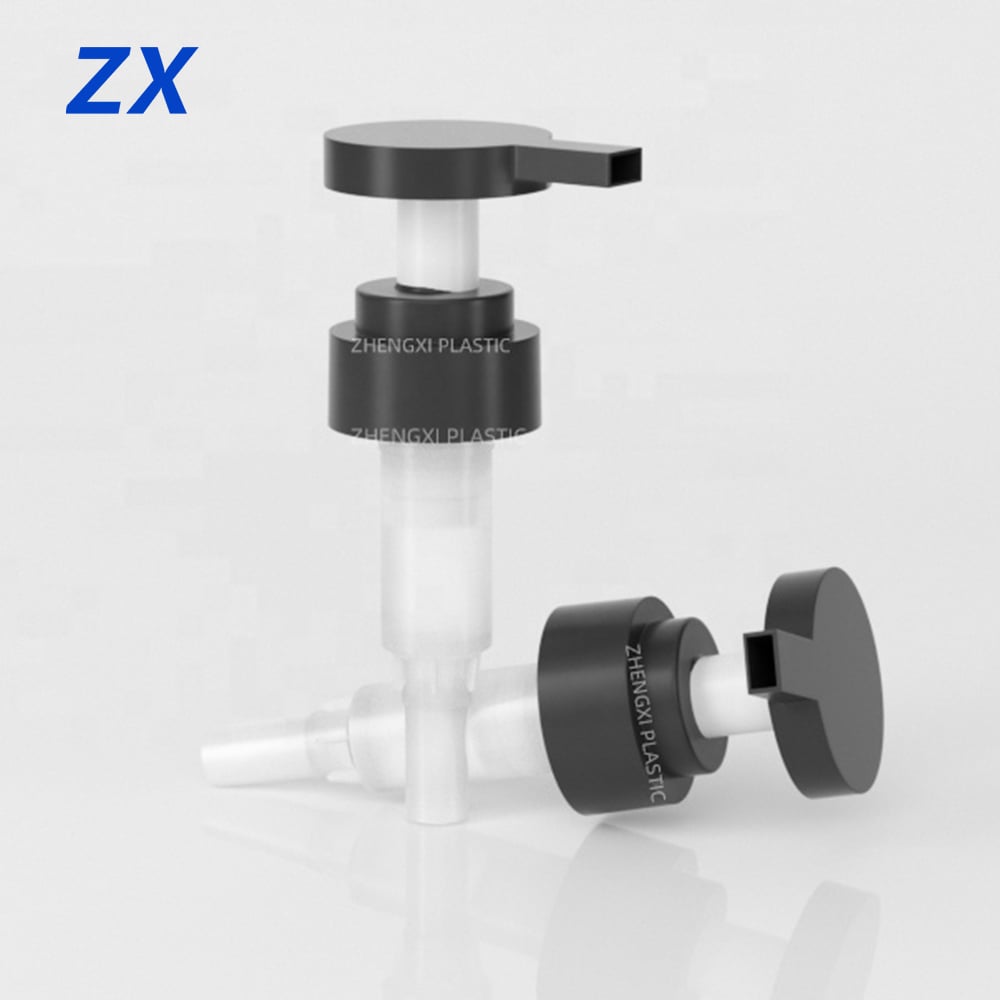
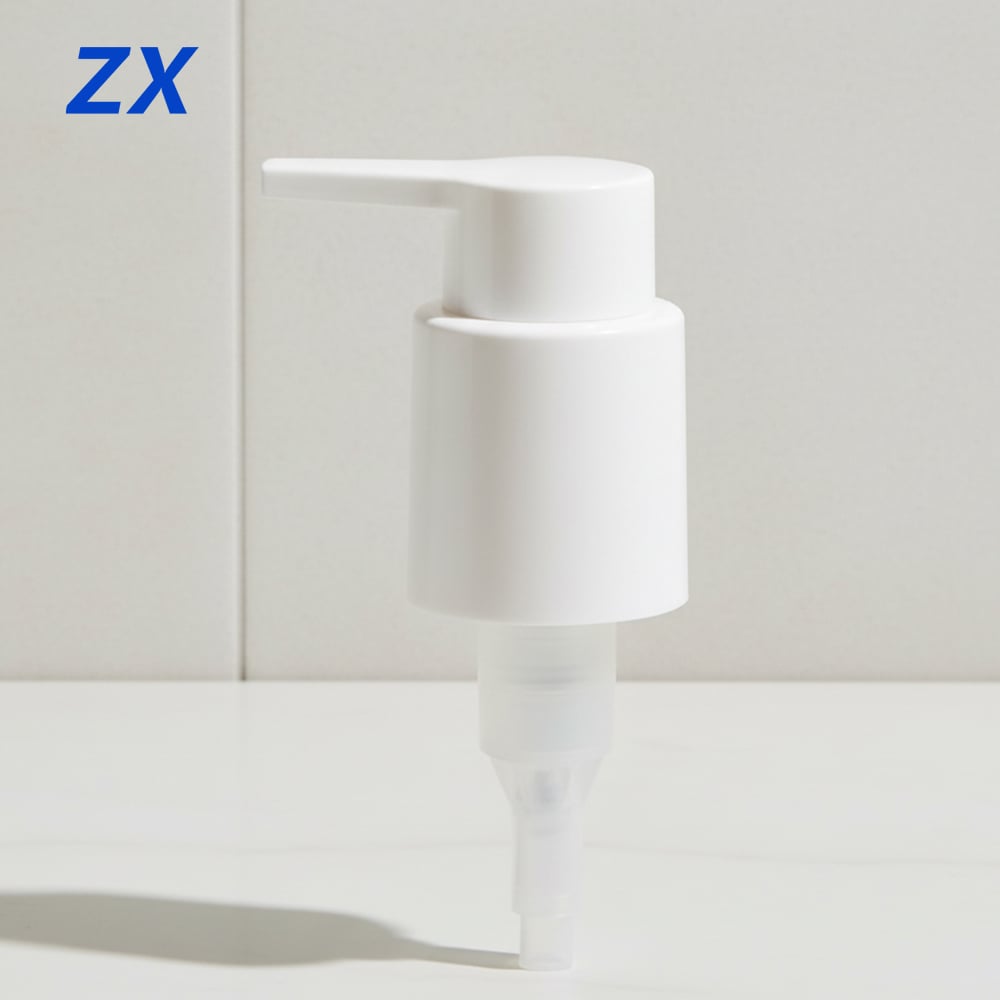
A treatment pump designed for skincare, pharmaceutical, or cosmetic formulations faces a critical challenge when exposed to acidic actives. The culprit often lies in the metal spring component that powers the dosing mechanism. Understanding why treatment pump performance deteriorates under acidic conditions is essential for formulators, manufacturers, and end-users who depend on reliable dispensing systems. When acidic ingredients like glycolic acid, salicylic acid, or vitamin C derivatives interact with the metal spring in a treatment pump, chemical corrosion accelerates, leading to premature failure, inconsistent dosing, and potential product degradation.
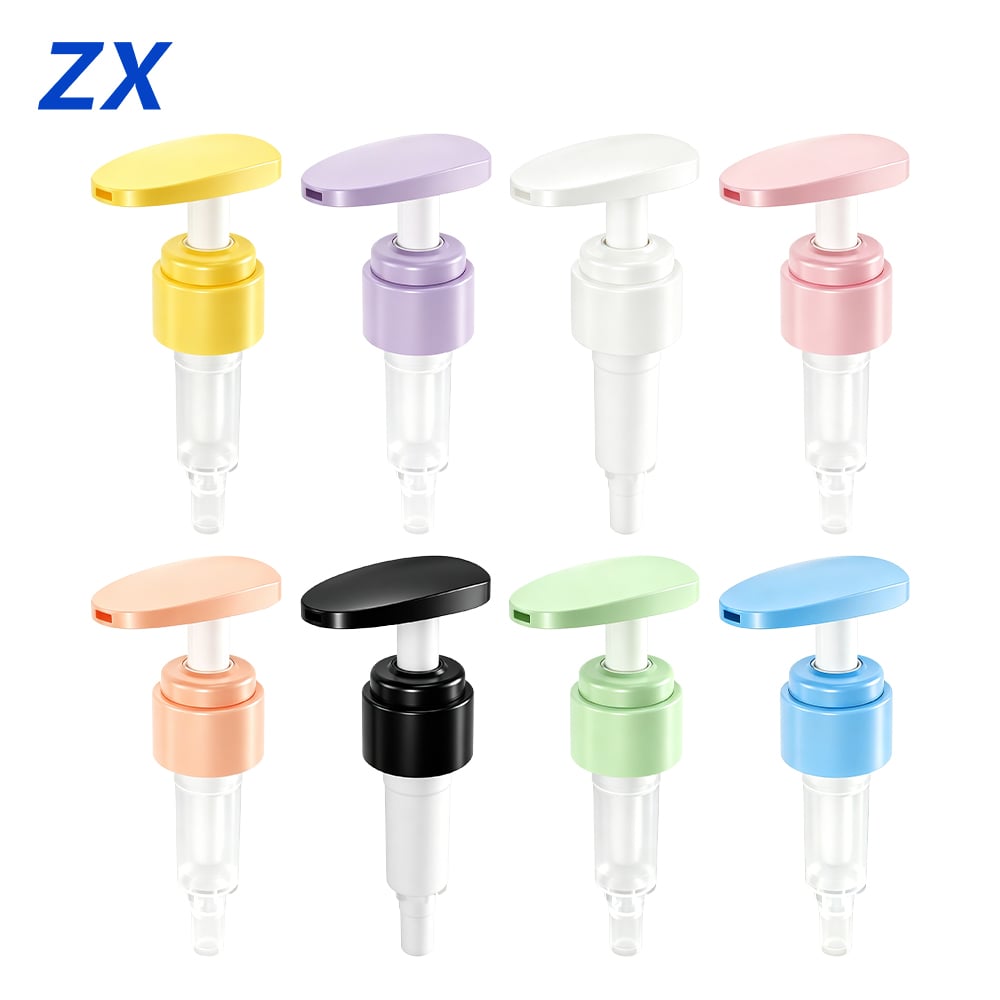
The failure of a treatment pump with metal springs under acidic conditions is not random or inevitable—it is a direct result of electrochemical corrosion. This article explores the fundamental mechanisms behind this failure pattern, identifies warning signs that indicate a treatment pump is degrading, and outlines practical strategies for selecting or designing dispensing systems that withstand acidic formulations. By understanding these dynamics, you can protect product integrity, extend shelf life, and maintain consumer satisfaction.
Every treatment pump contains a metal spring that compresses and releases to create the suction and pressure needed for fluid transfer. When the internal environment becomes acidic, the metal surface becomes vulnerable to oxidation. The hydrogen ions in acidic solutions accelerate electron transfer at the metal interface, causing the spring material to dissolve slowly or form brittle oxide layers. This is why a treatment pump deployed with a pH below 4 exhibits faster wear than the same pump used with neutral or alkaline formulations. The acidic active ingredients—whether glycolic acid, lactic acid, or other organic acids—actively strip protective layers from the spring, exposing fresh metal underneath to continued attack.
The rate of corrosion depends on multiple factors within the treatment pump system: the specific metal alloy used in the spring, the concentration of the acidic active ingredient, the temperature of storage, and the presence of other reactive compounds. Stainless steel springs, for example, are more resistant than carbon steel, but even stainless steel can fail when exposed to aggressive acidic actives over extended periods. A treatment pump with a less corrosion-resistant spring material will show visible degradation, discoloration, or spring weakness within weeks under acidic conditions, whereas a properly engineered treatment pump might maintain performance for months or years.
Inside a treatment pump, the spring does not exist in isolation—it sits within a closed cavity that holds the formulation. If the formulation is acidic, the metal spring becomes the anode in an electrochemical cell. Electrons flow from the spring to the surrounding liquid, and positive ions from the metal dissolve into the formulation. This process is accelerated when the treatment pump contains multiple metal components, such as a stainless steel spring paired with a plastic or aluminum pump head. These dissimilar metals create galvanic corrosion, where the more reactive metal sacrifices itself to protect the less reactive one. A treatment pump subject to galvanic corrosion fails much faster than one made from a single, homogeneous material. The dissolved metal ions can also catalyze further oxidation and may even contaminate the product itself, introducing metallic off-flavors, discoloration, or reduced efficacy of active ingredients.
When a treatment pump begins to fail due to acidic corrosion, several clear warning signs emerge. The first noticeable symptom is a loss of dosing consistency—each pump stroke delivers slightly different volumes of product, or the pump becomes difficult to press due to spring stiffness loss. A treatment pump that once required gentle pressure may suddenly feel sluggish or, conversely, too loose. You might also observe discoloration of the formulation, a metallic odor, or visible rust or corrosion debris on internal surfaces. If you open a failed treatment pump for inspection, the metal spring will appear pitted, darkened, or visibly weakened compared to a new unit. Some treatment pump failures manifest as leaking around the valve seat, because the spring no longer maintains proper pressure to keep seals compressed.
Product performance also declines when a treatment pump fails under acidic conditions. Active ingredients may become less effective because dissolved metal ions interfere with their chemical stability or because the corrosion process consumes or neutralizes the actives. End-users may report that the product feels less potent or delivers inconsistent results between uses. A treatment pump failure in the field is not only a logistical problem—it is a trust and efficacy issue that affects brand reputation and customer retention.
A treatment pump exposed to acidic actives experiences accelerated degradation even before visible failure occurs. The shelf life of a product depends on the stability of both the active ingredients and the delivery system. When a treatment pump's metal spring corrodes, it generates metal ions and small debris particles that accumulate in the formulation. These contaminants can catalyze degradation of acid-sensitive excipients, reduce the potency of active ingredients, or trigger phase separation and settling. A treatment pump designed for 24 months of shelf life might deliver only 12 months or less when the internal metal surfaces corrode. This shortened shelf life increases waste, regulatory compliance costs, and the risk of expired product reaching consumers.
Quality control testing reveals this instability through accelerated aging studies. When a treatment pump is stored under elevated temperatures with acidic formulations, the corrosion rate increases dramatically, and all the negative effects compound. A treatment pump that passes initial stability testing may fail re-testing after extended storage if the underlying metal corrosion was not anticipated during design.
The most direct solution to prevent treatment pump failure in acidic formulations is material substitution. Stainless steel 304 or 316 springs offer superior corrosion resistance compared to carbon steel, nickel-plated steel, or tin-plated springs. However, even stainless steel requires careful specification—not all stainless alloys resist every type of acidic active equally. A treatment pump engineer should specify the minimum passivation grade and verify that the spring material is compatible with the expected pH and concentration of actives. For extremely aggressive formulations, materials like titanium or specialized polymer springs eliminate metal corrosion entirely. A polymer-based spring treatment pump, for example, cannot corrode and offers the additional benefit of being chemically inert to a wider range of actives.
An alternative approach is to isolate the metal spring from direct contact with the formulation. Some treatment pump designs use a diaphragm or barrier coating between the spring and the liquid product. This barrier prevents the metal from being exposed to acidic conditions while maintaining the mechanical function of the treatment pump. Coating the metal spring with a thin, durable plastic or ceramic layer can extend the lifespan of a treatment pump significantly. When choosing a treatment pump for an acidic active formulation, always ask the supplier about spring material certifications, passivation specifications, and any protective barriers built into the design.
Before launching a product with a treatment pump containing acidic actives, rigorous compatibility testing is non-negotiable. A treatment pump supplier should provide accelerated aging data showing how their spring performs under the exact pH, temperature, and formulation conditions of your product. Typical testing involves filling a treatment pump with the target formulation and storing it at elevated temperatures (typically 40–50°C) for 4 to 12 weeks, then measuring spring function, product clarity, metal ion concentration, and active ingredient stability. A treatment pump that passes this testing demonstrates genuine acid resistance, not just theoretical durability. Beyond spring evaluation, the treatment pump should be tested for potential galvanic corrosion if multiple metals are present, for seal compatibility with the acidic formulation, and for any changes in dosing volume or consistency over time.
Documentation and traceability are equally important when selecting a treatment pump for sensitive formulations. Request material certificates, passivation reports, and historical performance data from the supplier. A reputable treatment pump manufacturer will provide comprehensive technical documentation proving that their design withstands your specific formulation. This due diligence protects your brand and ensures that the treatment pump you deploy in the market will perform reliably throughout the intended shelf life and consumer use period.
Not all stainless steel alloys are equally resistant to acidic attack. Stainless steel 304, while better than carbon steel, can still experience pitting corrosion under very low pH or in the presence of chloride ions. Additionally, if the stainless steel spring in a treatment pump is poorly passivated or contaminated with iron particles during manufacturing, it becomes more susceptible to corrosion. High-grade stainless steel 316 or specialized coatings provide better protection, but material selection must be matched to the specific active ingredient and pH profile of your formulation.
In most cases, a corroded treatment pump cannot be cost-effectively repaired. Once the metal spring in a treatment pump has undergone significant corrosion, it has lost structural integrity and will not regain its original performance. Replacement is the practical solution. However, by selecting the right treatment pump material and design from the outset, you prevent corrosion from occurring and avoid the need for repairs or replacements entirely. This is why upfront material compatibility testing is essential for acidic active formulations.
Yes, polymer-based treatment pumps eliminate metal corrosion entirely because they contain no metal springs exposed to the formulation. Polymer springs or diaphragm-based treatment pumps are ideal for highly acidic or chemically aggressive formulations. The trade-off is that polymer treatment pumps may have lower precision dosing, different durability profiles, and potentially higher cost compared to traditional metal-spring designs. Evaluation depends on your specific product requirements, shelf life targets, and cost constraints.
 Hot News
2026-10-09
2026-10-19
2026-10-01
2026-10-15
2026-10-08
2026-10-29
 EN