Whitening toothpaste formulas with stripe technology represent a significant advancement in oral care, but they introduce unique challenges when used with a toothpaste pump dispenser. The abrasive particles and viscous colorant stripes that make these formulations effective at brightening teeth can accumulate inside the toothpaste pump mechanism, causing blockages that prevent proper dispensing. Understanding how to prevent a toothpaste pump from clogging requires knowledge of both the formula composition and the mechanical design of the dispenser itself. Manufacturers and consumers alike must address this challenge to ensure consistent product performance and user satisfaction throughout the product lifecycle.
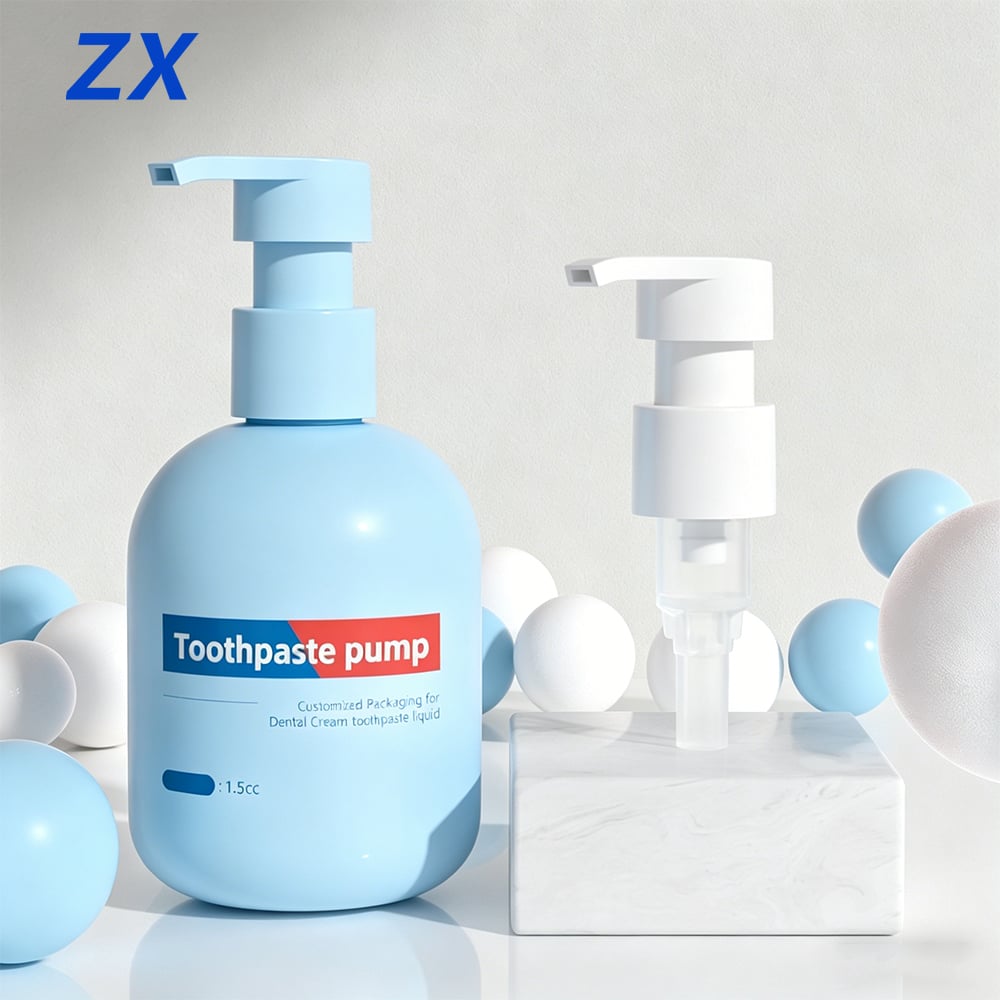
The complexity of preventing a toothpaste pump from clogging increases dramatically when whitening stripe formulas are involved. Unlike standard toothpaste, these products contain suspended pigments, titanium dioxide particles, and specialized abrasives that interact differently with pump components. A properly designed toothpaste pump must accommodate the thicker consistency and particulate nature of whitening formulations while maintaining reliable dispensing action. This article explores evidence-based strategies, mechanical solutions, and maintenance practices that keep your toothpaste pump functioning smoothly with even the most challenging whitening formulas.
Whitening toothpaste formulas contain microscopic abrasive particles, colorant stripes, and thickening agents that behave differently than conventional toothpaste within a toothpaste pump system. When these products sit inside the pump chamber, the colorant layers can separate and deposit along internal surfaces. The whitening particles settle at lower points in the pump mechanism, particularly in areas where water content naturally evaporates, leaving behind a concentrated paste residue. This dried buildup hardens over time and restricts the movement of the internal piston and valve components, making it increasingly difficult to dispense product. Additionally, the abrasive nature of whitening formulations can cause microscopic scratching inside the toothpaste pump, creating rough surfaces where particles more easily adhere and accumulate.
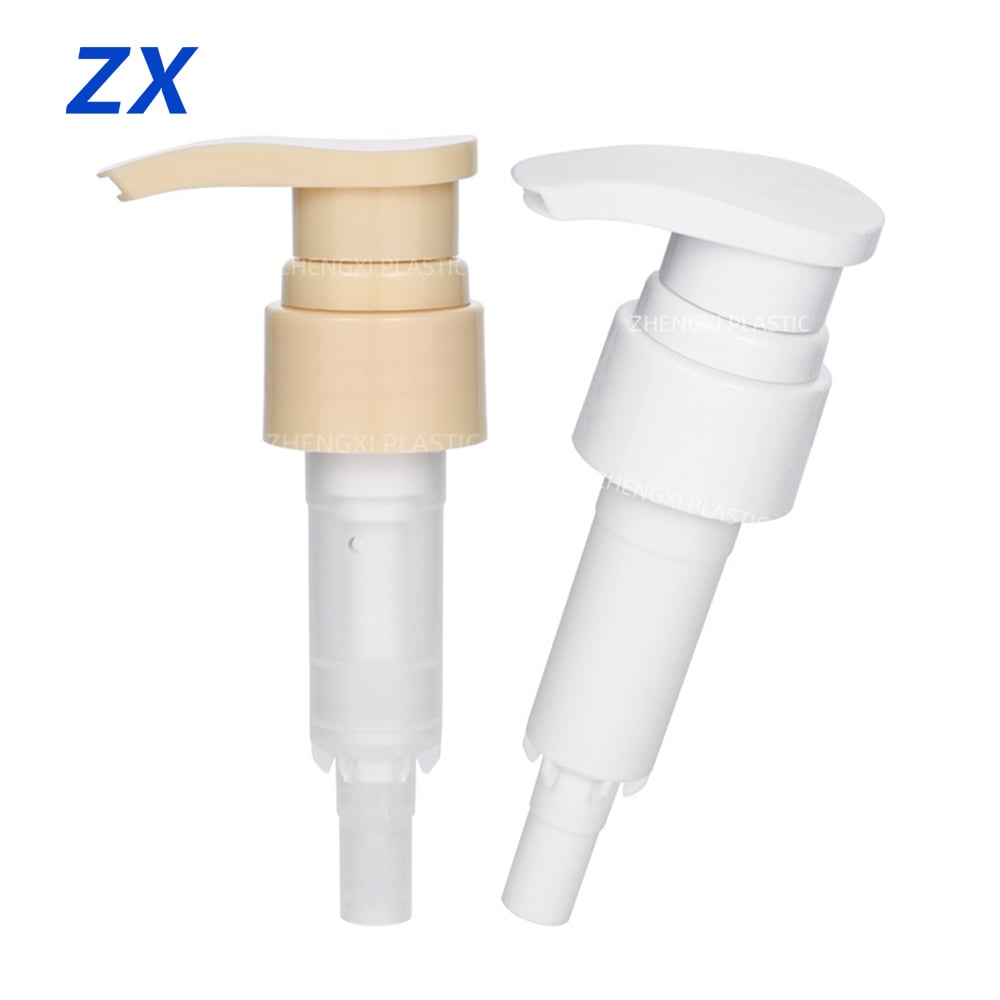
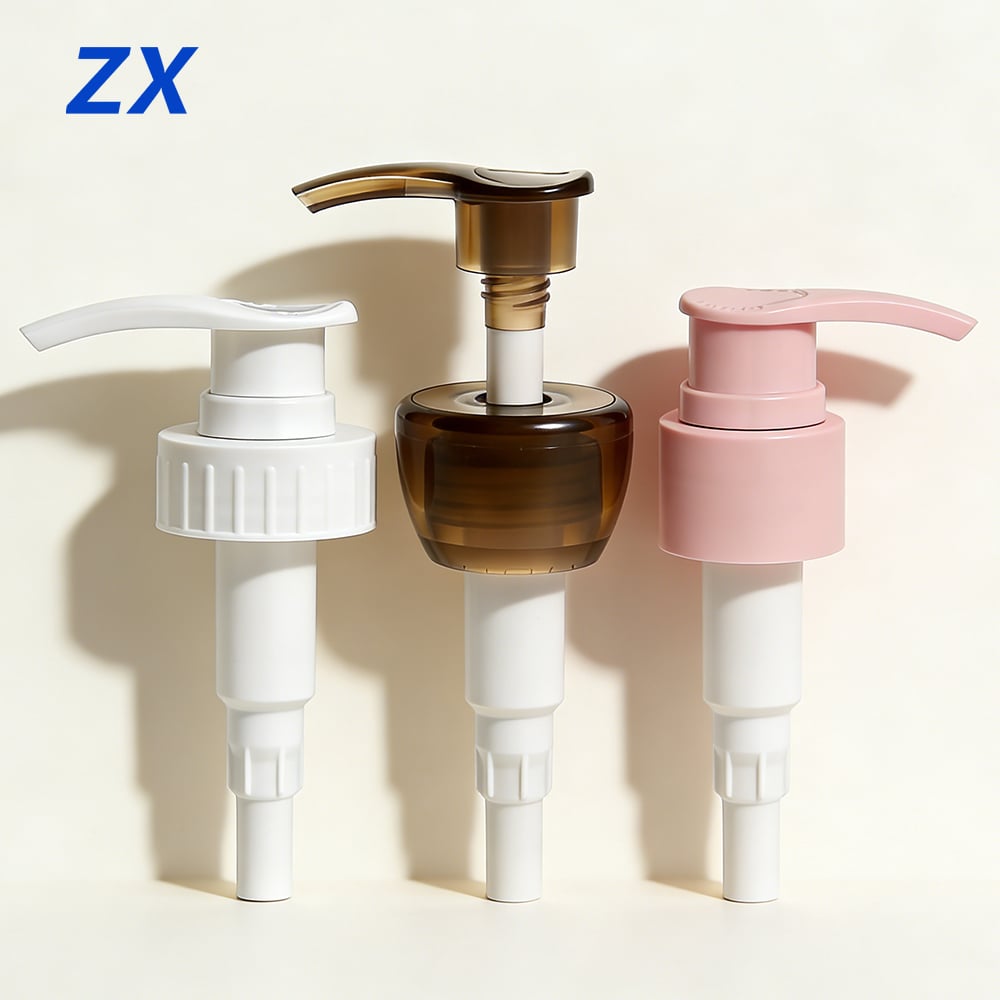
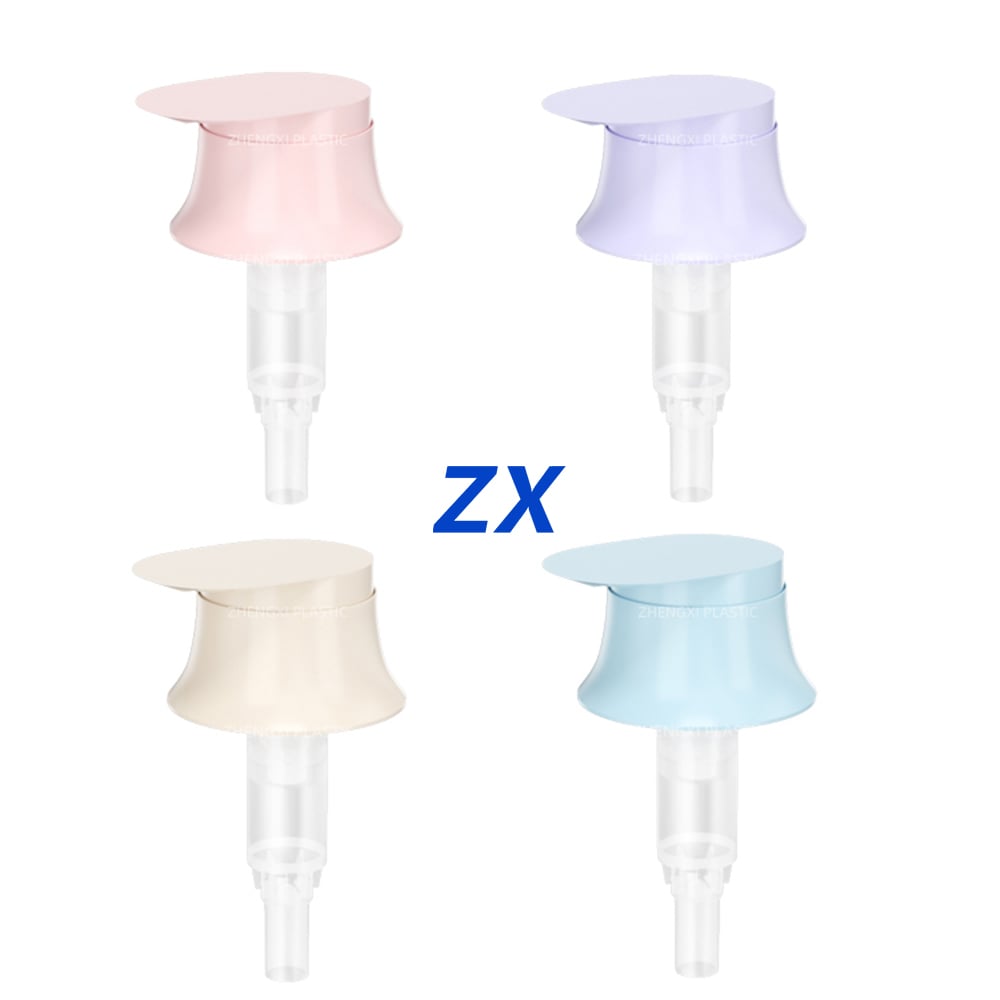
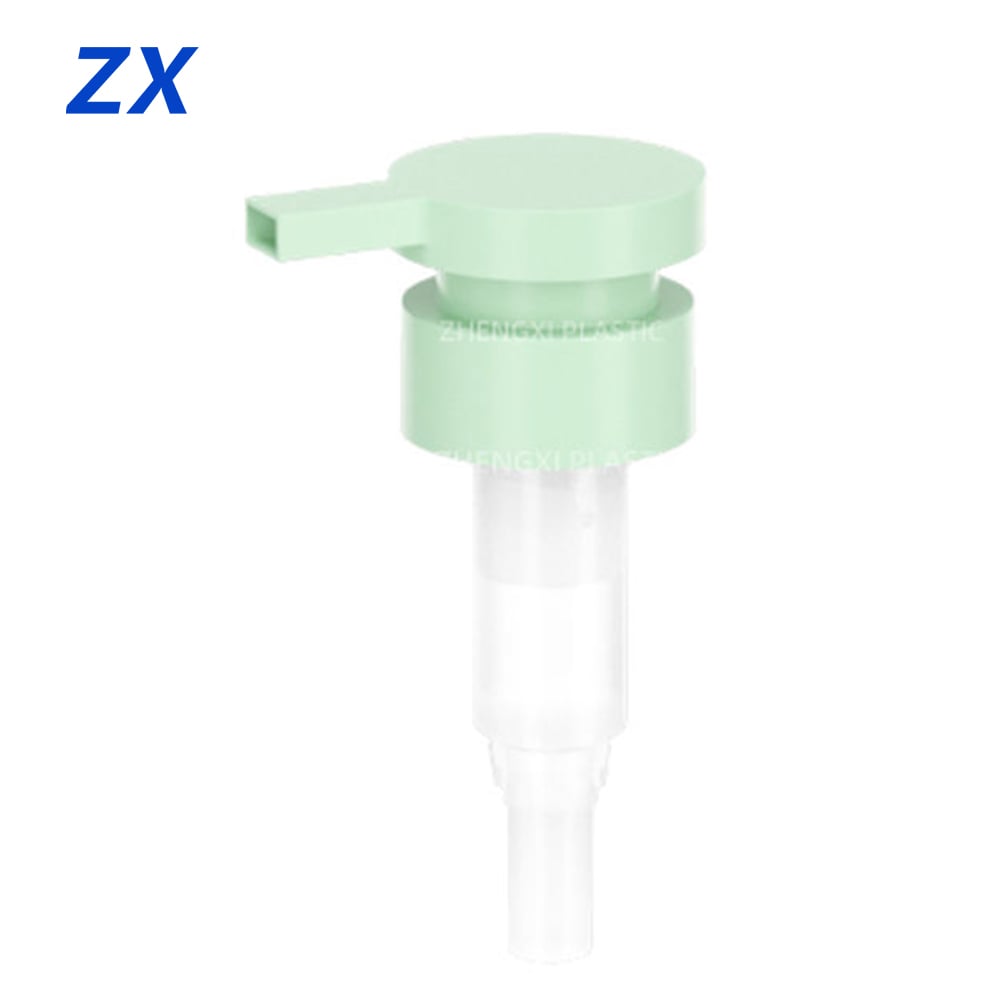
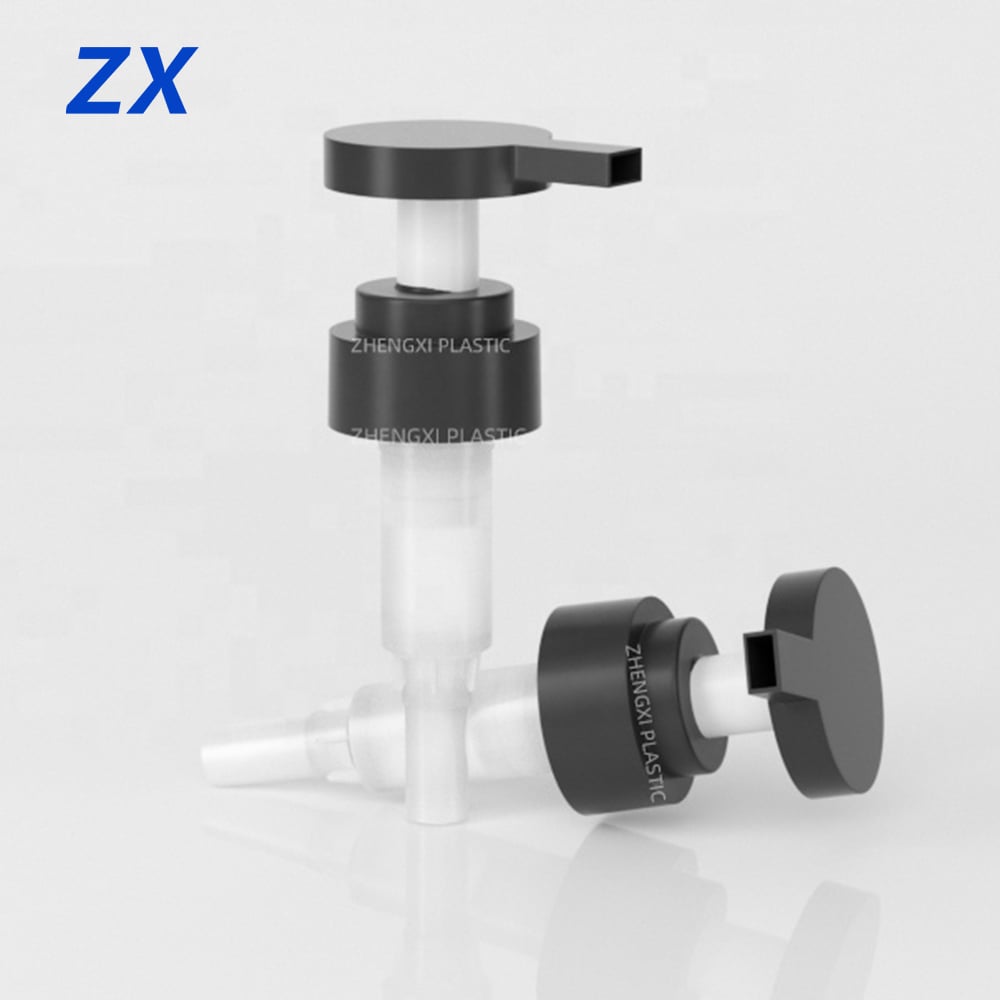
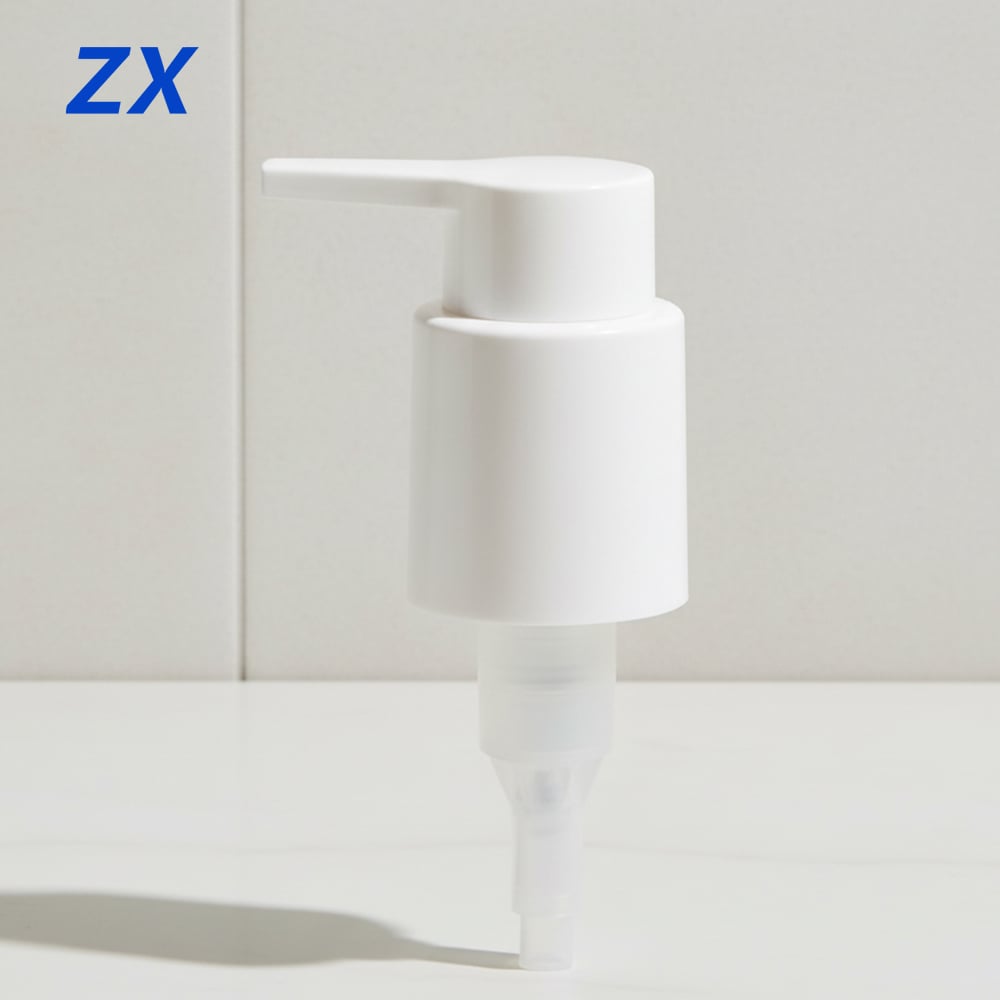
The internal architecture of a toothpaste pump determines its ability to handle whitening formulas without clogging. A well-engineered toothpaste pump includes anti-clogging features such as larger internal passageways, smooth bore surfaces, and optimized valve geometry that allows particles to pass through without lodging. The pump intake tube design is critical—it must sit at an angle that prevents sediment from settling around the intake point. Premium toothpaste pump designs incorporate wide internal channels and self-clearing mechanisms that reduce the likelihood of whitening particles creating blockages. The material composition of the toothpaste pump also matters significantly; smooth plastic surfaces with minimal porosity resist adhesion of whitening particles better than rougher materials. When selecting a toothpaste pump for whitening formulations, prioritizing design sophistication over basic budget models directly reduces clogging risk.
Consistent maintenance of your toothpaste pump extends its functional lifespan and prevents clogging before it becomes problematic. After each use, rinse the toothpaste pump head and nozzle thoroughly with warm water, ensuring no residue remains on external surfaces. This simple habit prevents dried whitening particles from entering the pump mechanism through capillary action. Once weekly, submerge the toothpaste pump head in warm water for five to ten minutes, then actuate the pump repeatedly while submerged to flush internal passages. This flushing action dislodges partially dried whitening paste before it hardens completely. For stubborn buildup, use slightly warm water rather than cold, as warm water better dissolves the binders in whitening formulations. Shake excess water from the toothpaste pump and allow it to air dry completely before use to prevent moisture-related issues that could introduce bacteria or weaken the pump mechanism.
How you store your toothpaste pump significantly impacts clogging risk, especially with whitening formulas. Store the toothpaste pump upright in a cool, dry location away from direct sunlight, which can cause moisture evaporation that concentrates whitening particles and accelerates hardening inside the pump. Avoid storing the toothpaste pump in humid environments like steamy bathrooms without ventilation, as moisture fluctuations can cause the whitening paste to crystallize within the mechanism. Keep the pump away from temperature extremes, which cause the viscous whitening formula to expand and contract in ways that promote particle separation and clogging. When traveling, store your toothpaste pump in an upright position inside a protective case to prevent jostling that might dislodge particles into sensitive pump areas. If a toothpaste pump will remain unused for extended periods, completely empty the chamber and run warm water through the mechanism to prevent whitening particles from drying and hardening inside.
Manufacturers developing whitening toothpaste products must carefully balance cosmetic efficacy with toothpaste pump compatibility. Reducing particle size distribution within the whitening formula decreases the likelihood of particles lodging in the toothpaste pump, but this requires advanced milling and suspension technology that increases production costs. The rheological properties of the paste significantly influence pump performance; formulations engineered with appropriate viscosity flow more freely through the toothpaste pump without creating stagnant zones where particles accumulate. Incorporating suspension stabilizers and anti-settling agents keeps whitening particles uniformly distributed rather than allowing them to concentrate and cake inside the pump. Some manufacturers adjust colorant stripe positioning to stay away from the product intake pathway, reducing the amount of concentrated pigment that enters the toothpaste pump mechanism. Additionally, including trace amounts of water-soluble lubricants in the formulation can reduce friction inside the pump, allowing particles to move through with less resistance and lower clogging probability.
Choosing the right toothpaste pump architecture specifically rated for whitening formulas prevents many clogging issues before they develop. Industry-standard toothpaste pump specifications now include particle-size limitations, maximum viscosity ratings, and minimum internal bore diameter requirements designed specifically for whitening applications. Premium toothpaste pump models feature titanium or ceramic-coated internal surfaces that resist particle adhesion far better than standard plastic. The valve seat geometry in specialized toothpaste pump designs incorporates wider passages and improved flow dynamics that accommodate the particulate nature of whitening formulations. When sourcing a toothpaste pump for whitening products, verify that the manufacturer has conducted compatibility testing with actual whitening formulas and can document performance data showing clogging resistance. Self-locking pump designs prevent backflow that might allow dried particles to harden inside the chamber, making this feature valuable for whitening applications. Investing in a toothpaste pump explicitly engineered for challenging formulations typically costs more initially but eliminates customer dissatisfaction from frequent clogging issues.
Whitening toothpaste formulas contain abrasive particles, pigments, and thickening agents that accumulate inside the toothpaste pump mechanism. As water content evaporates, these particles dry and harden, restricting the internal piston and valve movement. The suspended colorant stripes separate over time and deposit on internal pump surfaces, creating blockages that prevent normal dispensing action. A toothpaste pump with insufficient internal passageway design exacerbates this problem by creating dead zones where particles settle and concentrate.
Daily rinsing of the toothpaste pump head after each use removes external residue and prevents particles from entering internal passages. Weekly maintenance involving five to ten minutes of warm water submersion followed by repeated pump actuation flushes accumulated whitening particles before they harden. For heavy users or very thick whitening formulations, additional weekly flushing sessions provide extra insurance against clogging. If you notice dispensing resistance increasing, clean the toothpaste pump immediately rather than waiting for complete failure, as early intervention prevents permanent particle bonding inside the pump mechanism.
Yes, premium toothpaste pump designs engineered for whitening formulas offer substantial value through superior clogging resistance and longer functional lifespan. These toothpaste pump models feature optimized internal geometries, wider passageways, and surface treatments that prevent particle adhesion far more effectively than basic pumps. The reduced maintenance burden and elimination of frustrating dispensing failures justify the higher initial cost over the product lifecycle. Investing in a quality toothpaste pump specifically designed for whitening applications prevents product waste, improves user experience, and protects your brand reputation against complaints about performance issues.
 Hot News
2026-10-09
2026-10-19
2026-10-01
2026-10-15
2026-10-08
2026-10-29
 EN