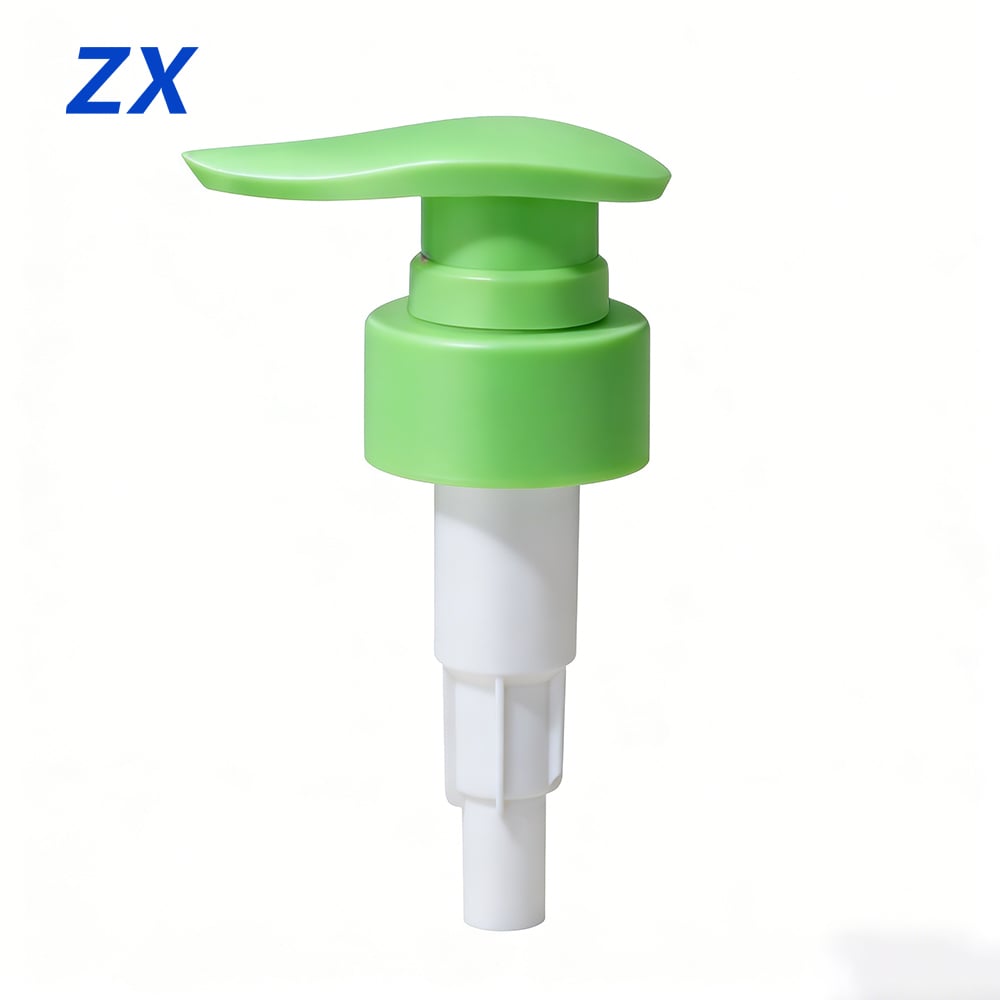
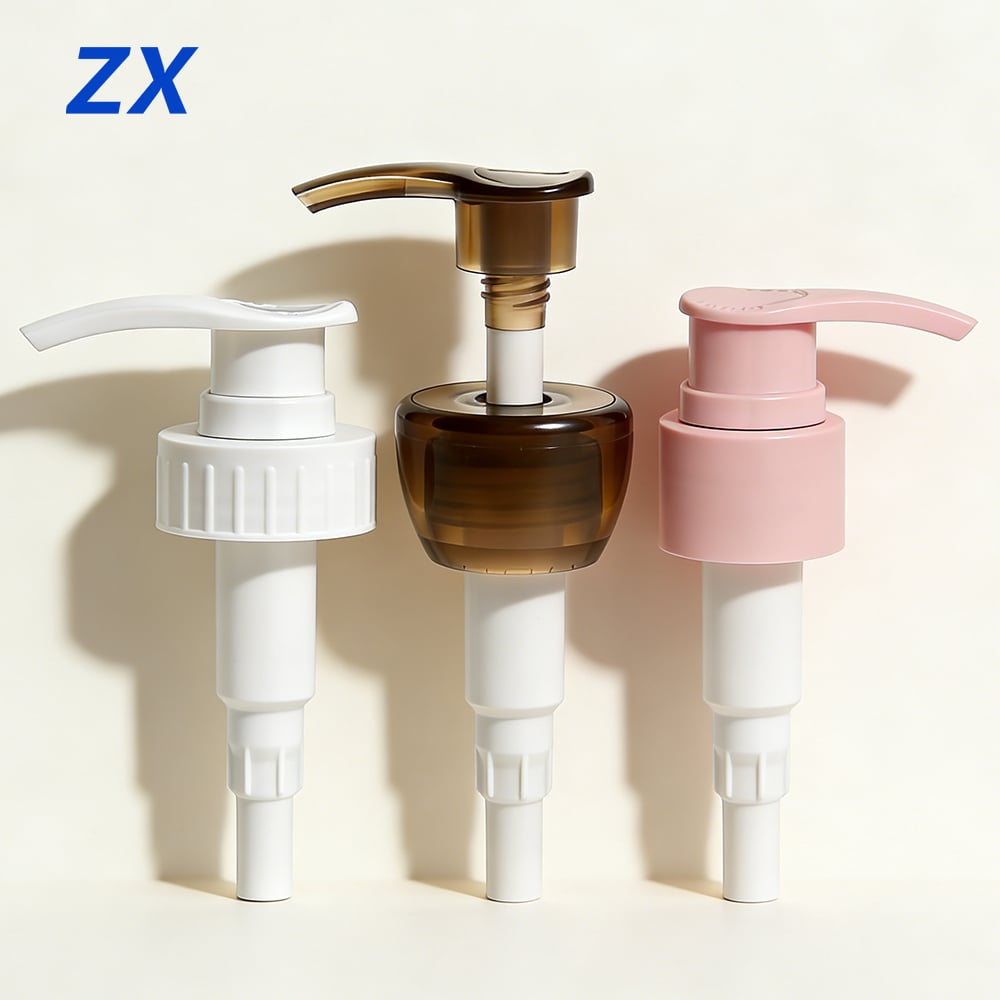
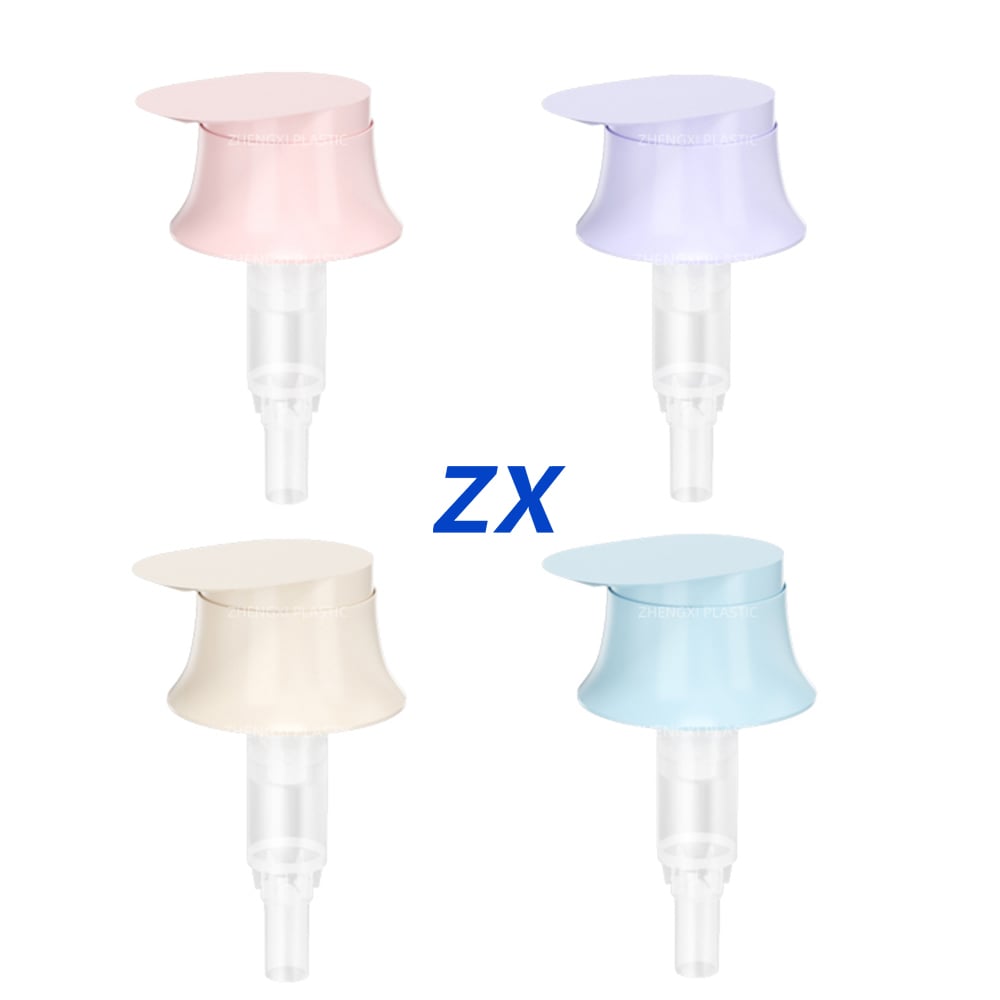
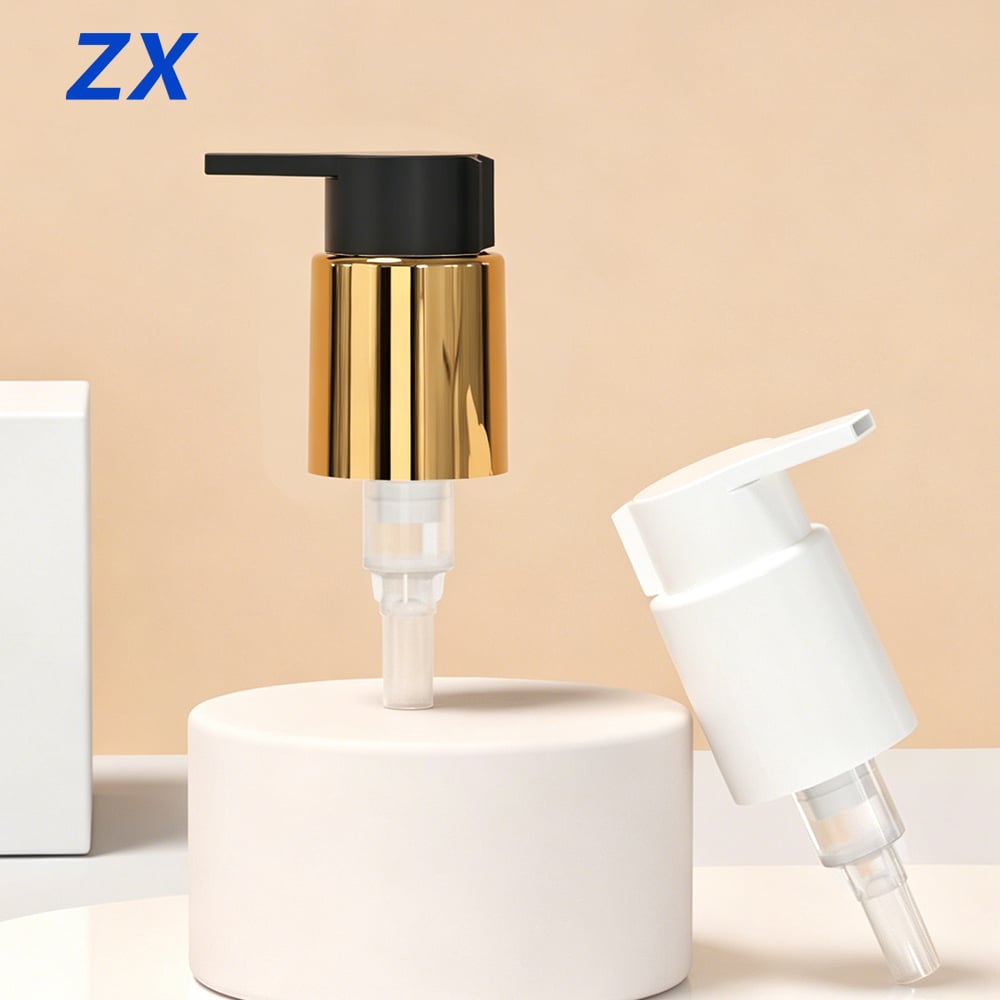
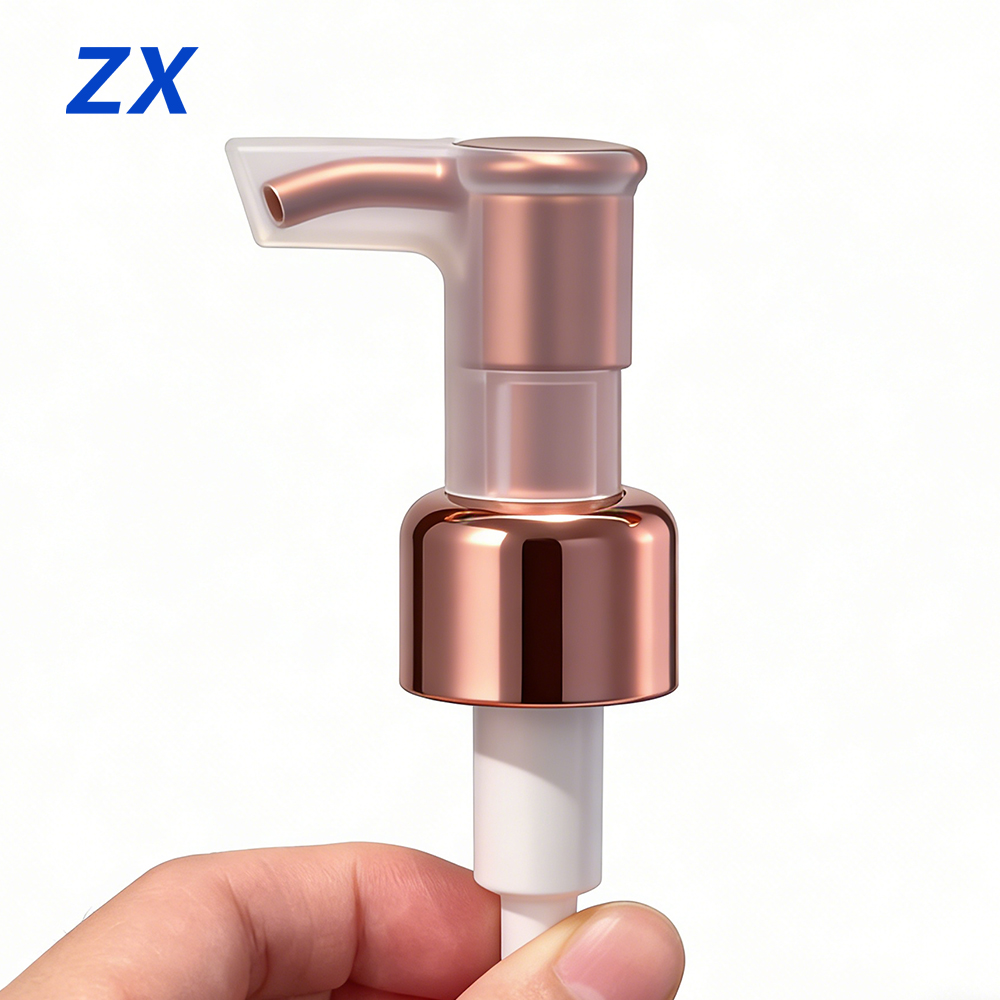
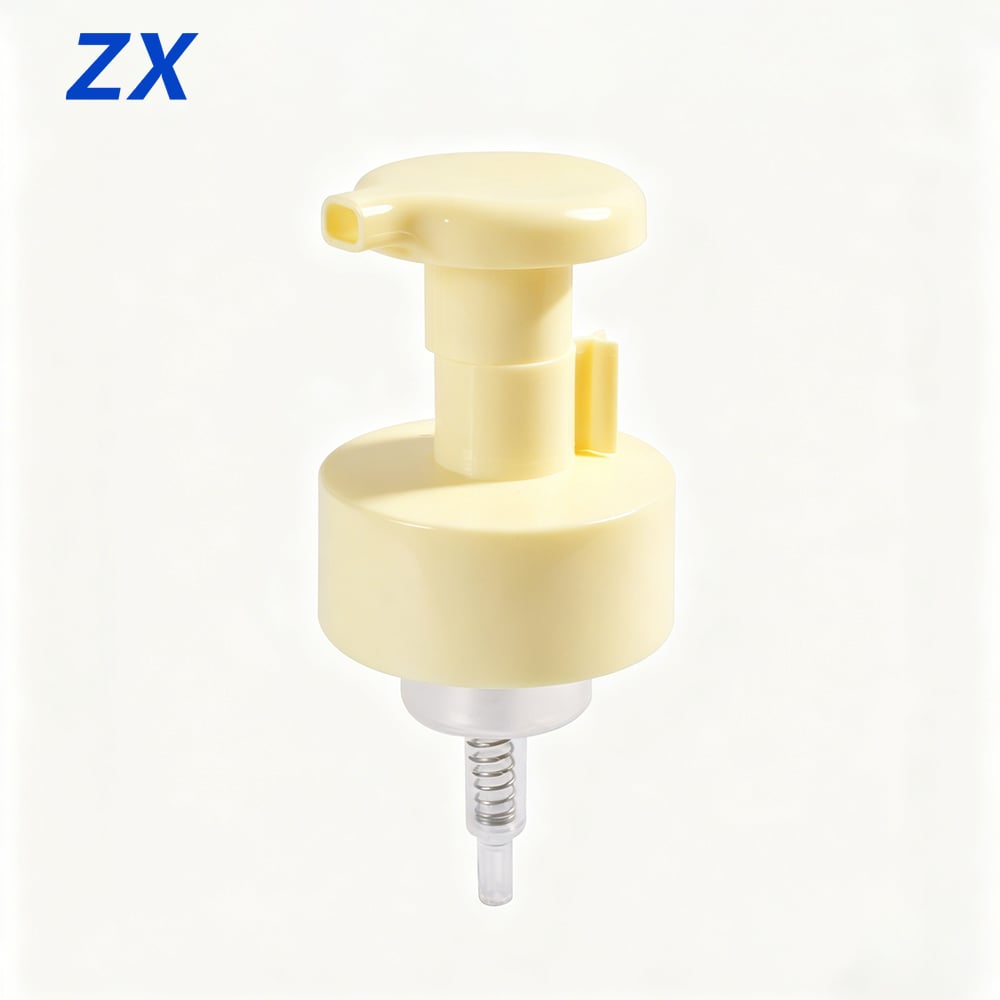
A mist spray pump is far more than a simple cosmetic accessory. It is a precision instrument that directly impacts your daily skincare routine, product efficacy, and user satisfaction. For skincare applications, reliability is non-negotiable. The mist spray pump must deliver consistent mist output, resist corrosion from active ingredients, maintain seal integrity over hundreds of uses, and provide a pleasant sensory experience that encourages daily compliance. Understanding what makes a mist spray pump truly reliable helps you select products that perform as promised and justify their role in your skincare regimen.
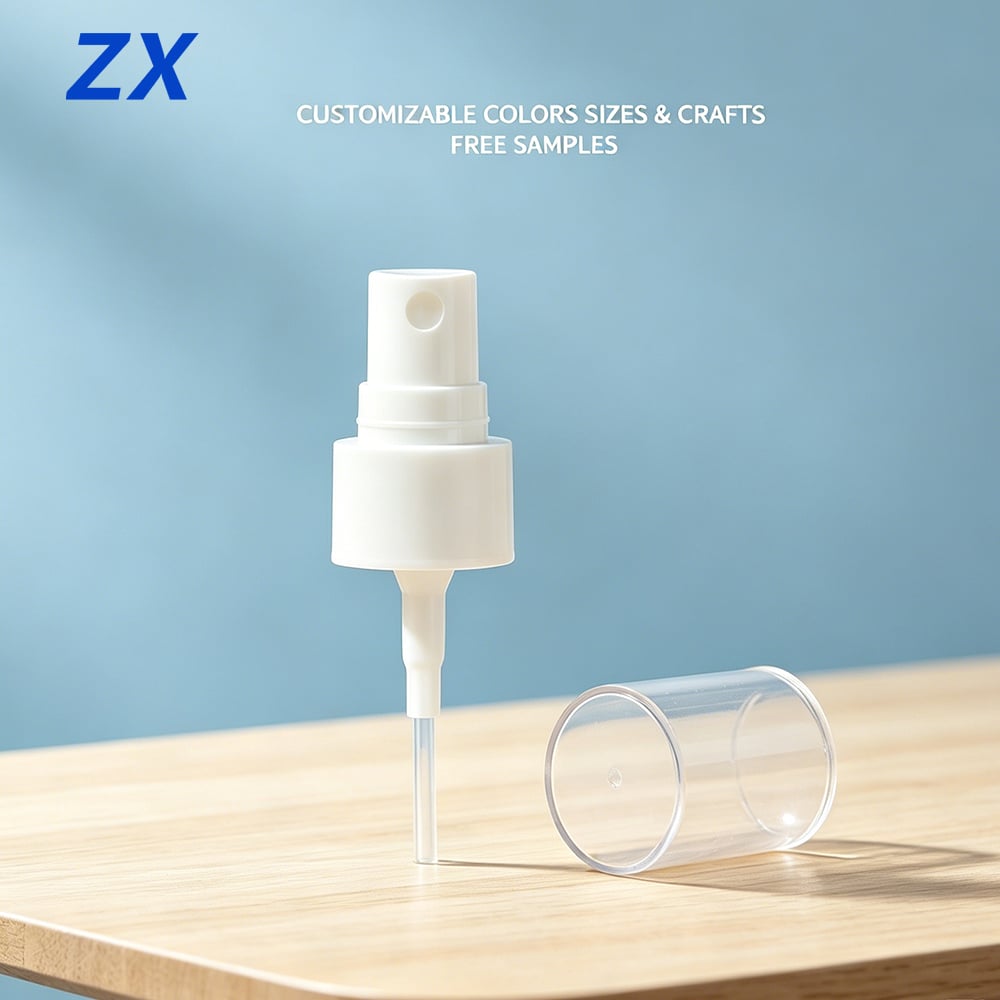
The reliability of a mist spray pump depends on multiple converging factors: material composition, mechanical design, manufacturing tolerances, and performance testing standards. When manufacturers invest in these areas, they create products that last beyond a few months of casual use. A dependable mist spray pump maintains consistent spray patterns, resists degradation from exposure to water and active skincare ingredients, and continues functioning smoothly after repeated daily actuation. This article explores the engineering and design principles that separate reliable mist spray pump systems from those that fail prematurely or deliver inconsistent results.
The plastic housing of a mist spray pump must withstand exposure to water, alcohol, glycerin, botanical extracts, and other common skincare ingredients without degrading, cracking, or leaching substances back into the product. Premium mist spray pump designs use high-density polyethylene, polypropylene, or specialized copolymers that resist these chemical environments. Lower-grade plastics become brittle, discolor, or absorb liquid, compromising the integrity of a mist spray pump over time. When evaluating a mist spray pump, examine whether the manufacturer specifies material grades and chemical compatibility testing. This transparency indicates confidence in the mist spray pump's long-term performance under real-world skincare use.
The internal spring, valve seats, and actuator mechanisms in a mist spray pump often include metal parts that must resist corrosion from acidic toners, fermented extracts, or mineral-rich waters. A reliable mist spray pump incorporates stainless steel springs and nickel-plated or electroplated brass components rather than uncoated steel that oxidizes. The spray nozzle, a critical contact point in a mist spray pump, must remain free from mineral buildup and corrosion that would clog or weaken the mist pattern. Quality mist spray pump manufacturers coat metal parts with protective finishes and seal internal cavities to prevent moisture ingress that accelerates rust formation.
One of the most visible signs of a failing mist spray pump is leakage around the stem or from the valve seat. A reliable mist spray pump achieves this through precision-molded elastomer seals, typically silicone or rubber compounds that maintain flexibility across temperature ranges without hardening or shrinking. The mechanical design of a mist spray pump must ensure consistent downward pressure on the valve seat during the return stroke, compressing the seal enough to create an airtight barrier but not so much that friction causes seal degradation. Premium mist spray pump systems employ dual-seal architectures or spring-loaded seal mechanisms that adapt to slight wear over time, maintaining leak-free operation far longer than single-seal designs.
The nozzle is where a mist spray pump either succeeds or fails in delivering the promised fine mist. A high-performance mist spray pump features a precision-engineered nozzle with multiple micro-orifices or a swirl chamber that atomizes liquid into uniform droplet sizes rather than producing an inconsistent spray or occasional stream. The nozzle passage must be sized and smoothed to eliminate dead zones where product residue accumulates and clogs the mist spray pump over weeks of use. Reliable mist spray pump designs often include removable or self-cleaning nozzles that allow users to flush away buildup, extending the effective lifespan of the mist spray pump significantly.
Manufacturers of reputable mist spray pump products typically conduct accelerated testing, pressing the pump trigger thousands of times to simulate months or years of daily use. A dependable mist spray pump must deliver consistent trigger resistance, smooth actuation feel, and reliable mist output throughout this testing regimen. The spring mechanism in a mist spray pump may fatigue, the seal may compress slightly, and the nozzle may experience minor wear, but a well-engineered mist spray pump remains fully functional. This validation step separates genuine products from those that fail after a few weeks, as inferior mist spray pump designs often begin sticking, leaking, or losing spray consistency within 500 actuation cycles.
A reliable mist spray pump must perform consistently when filled with various skincare formulations, including acidic toners, water-based serums, and oil-in-water emulsions. Comprehensive testing of a mist spray pump involves filling it with representative formulas and monitoring performance over weeks or months under varied storage temperatures. Premium brands test their mist spray pump with products containing high concentrations of active ingredients like niacinamide, hyaluronic acid, or peptides to ensure the pump mechanism tolerates these formulations without degradation. This ingredient compatibility is crucial because a mist spray pump designed only for water fails rapidly when exposed to alcohol-based products, while a genuinely reliable mist spray pump handles the diversity of modern skincare chemistry.
The best mist spray pump systems acknowledge that users apply skincare twice daily, which means 600+ actuation cycles annually. A reliable mist spray pump balances trigger resistance to avoid accidental activation while remaining easy enough to press for users with varying hand strength. The grip zone of a mist spray pump should feature textured surfaces that remain non-slip even with wet hands or product residue. When a mist spray pump requires excessive force or offers no tactile feedback, users experience fatigue and may abandon the product despite its benefits, so ergonomic excellence is a key marker of reliability and user retention.
A truly reliable mist spray pump is designed with user maintenance in mind. The best mist spray pump designs allow users to disassemble the nozzle for cleaning without tools, preventing the common failure mode of a clogged mist spray pump. Some premium mist spray pump manufacturers provide small cleaning wires or recommend simple soaking procedures that extend the functional life of the mist spray pump indefinitely. By supporting user maintenance, manufacturers demonstrate confidence in their mist spray pump's underlying engineering and give customers agency to keep their products functioning optimally.
A well-engineered mist spray pump should perform consistently for at least 12 to 24 months of twice-daily use, translating to roughly 1,200 actuation cycles annually. Premium mist spray pump systems often exceed this timeline significantly, especially if users perform basic maintenance like flushing the nozzle weekly. The actual lifespan depends on the specific formula stored in the mist spray pump, storage conditions, and frequency of use, but reliability means maintaining full functionality well beyond the first few months of purchase.
Common failure modes include nozzle clogging from mineral deposits or product residue, seal degradation from incompatible ingredients, spring fatigue causing weak or stuck actuation, and corrosion of internal metal parts. A mist spray pump fails prematurely when manufacturers use inadequate materials, skip durability testing, or design components with insufficient tolerances. Poor sealing also allows air or bacteria entry, contaminating the product inside and compromising both the mist spray pump's function and the skincare product's stability.
Regular maintenance significantly extends mist spray pump longevity. Users should rinse the nozzle with clean water weekly, store the mist spray pump in a cool, stable environment away from direct sunlight, and avoid forcing the trigger if resistance increases suddenly, as this indicates a potential clog rather than a mechanical issue. Keeping the mist spray pump clean and using gentle, consistent pressure during actuation allows even mid-range products to deliver reliable performance for extended periods.
 Hot News
2026-09-15
2026-09-08
2026-09-01
2026-08-18
2026-08-13
2026-08-11
 EN
EN