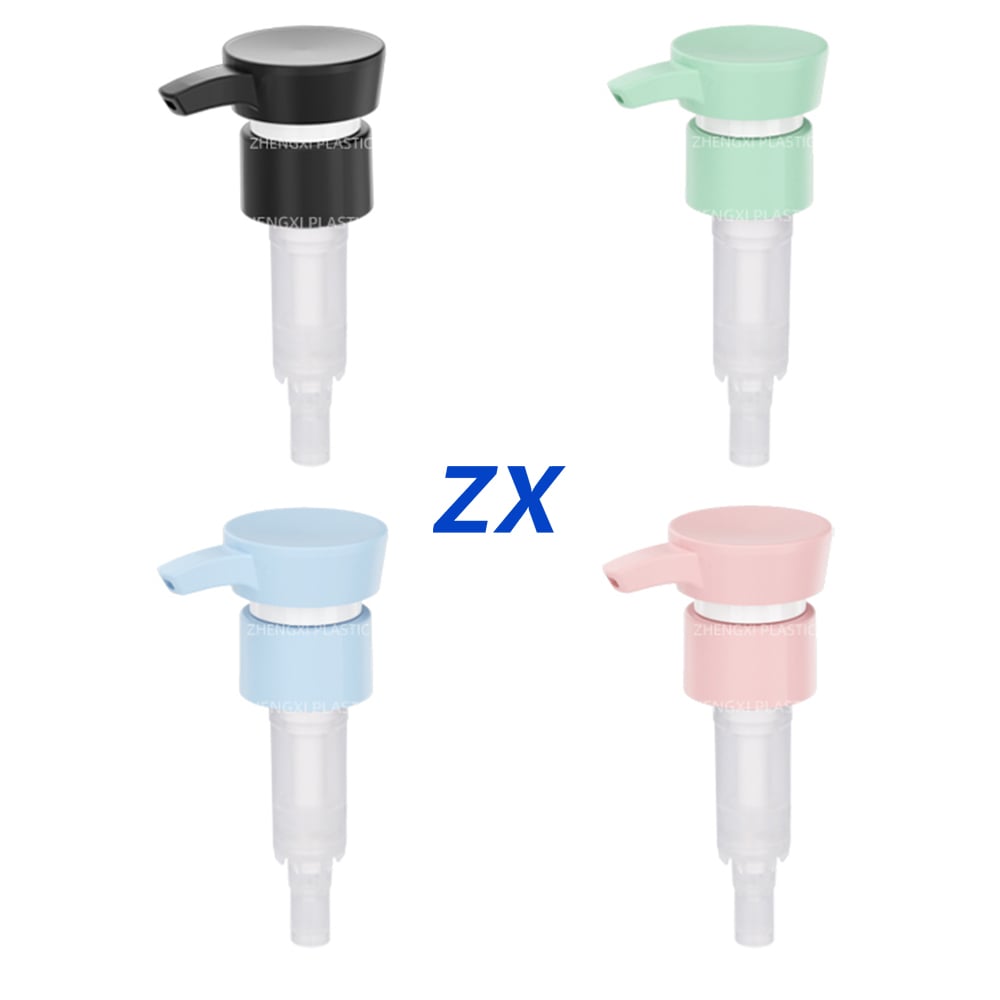
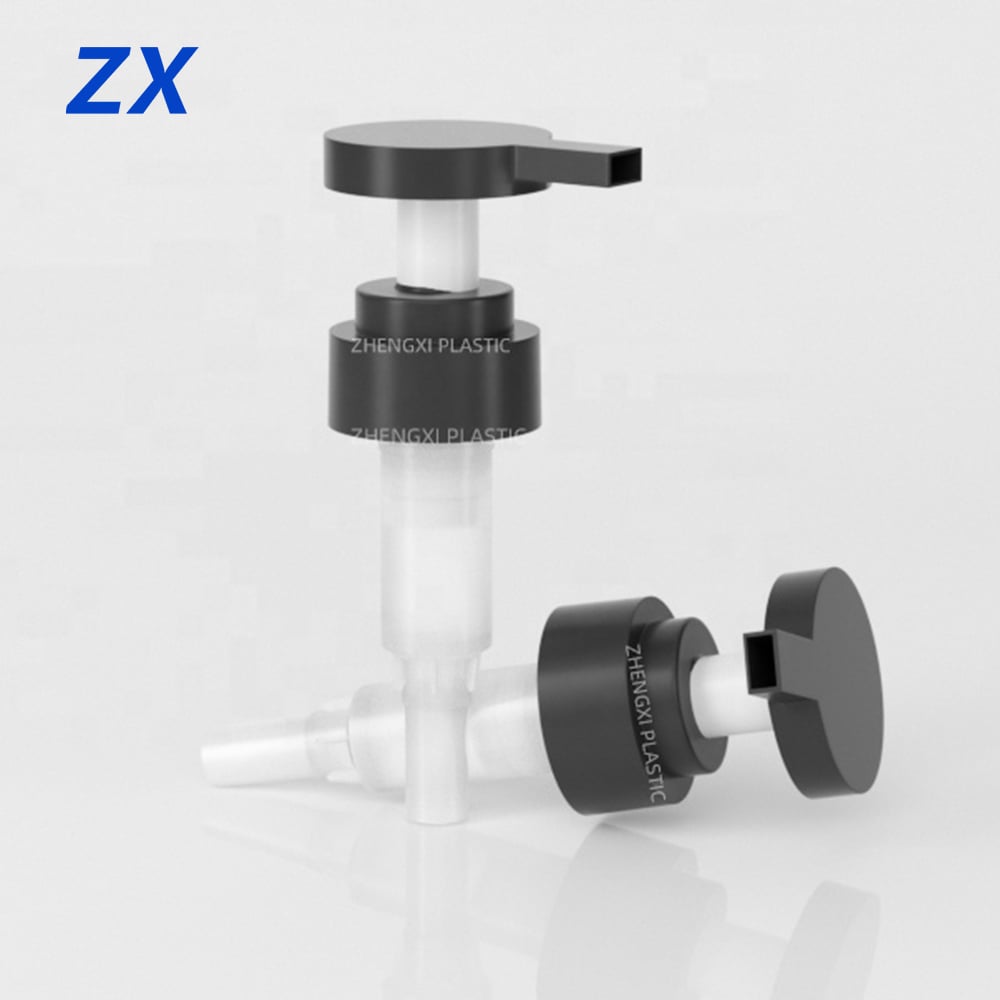
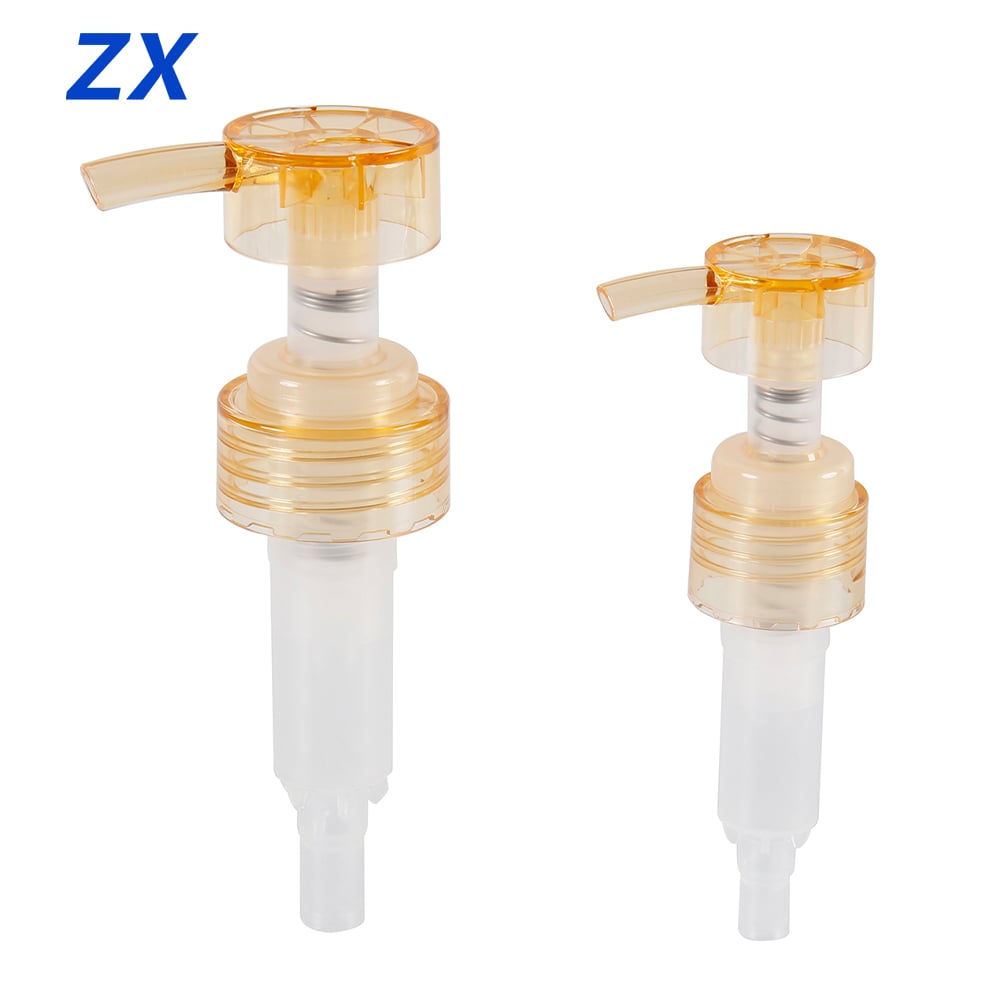
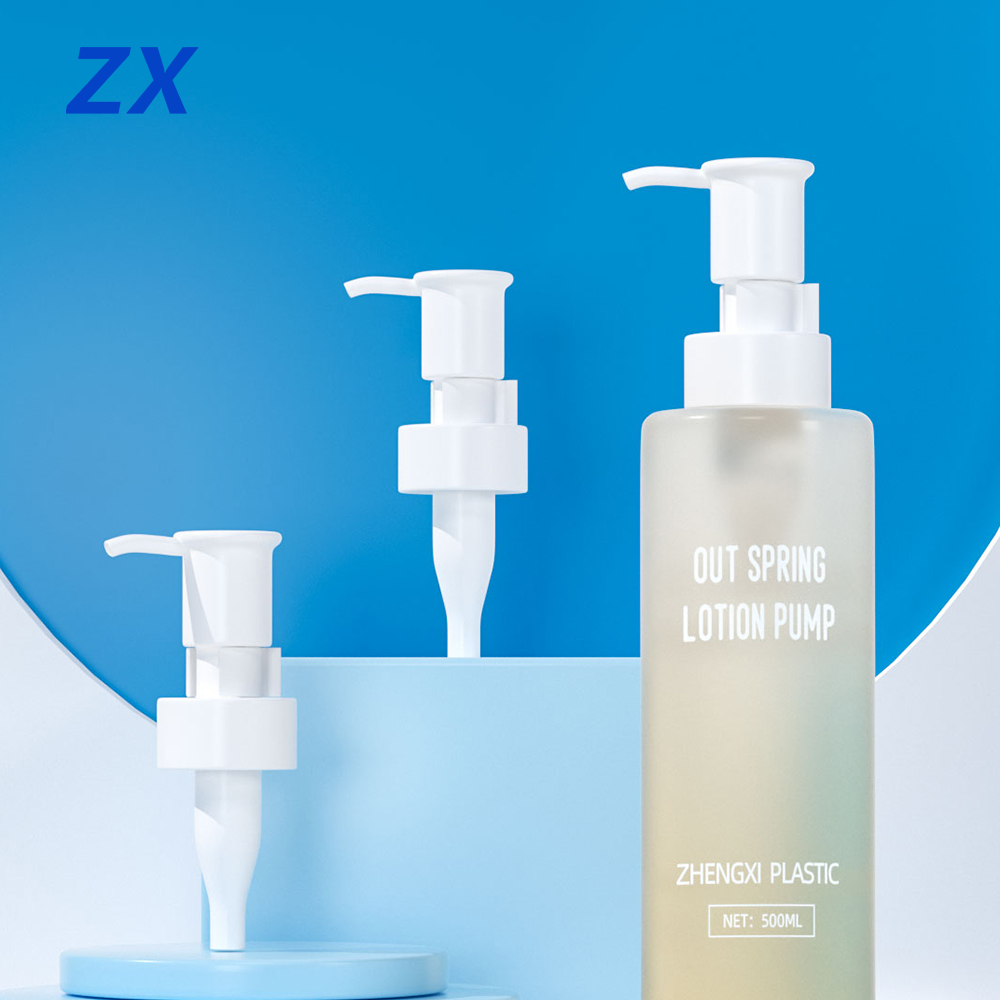
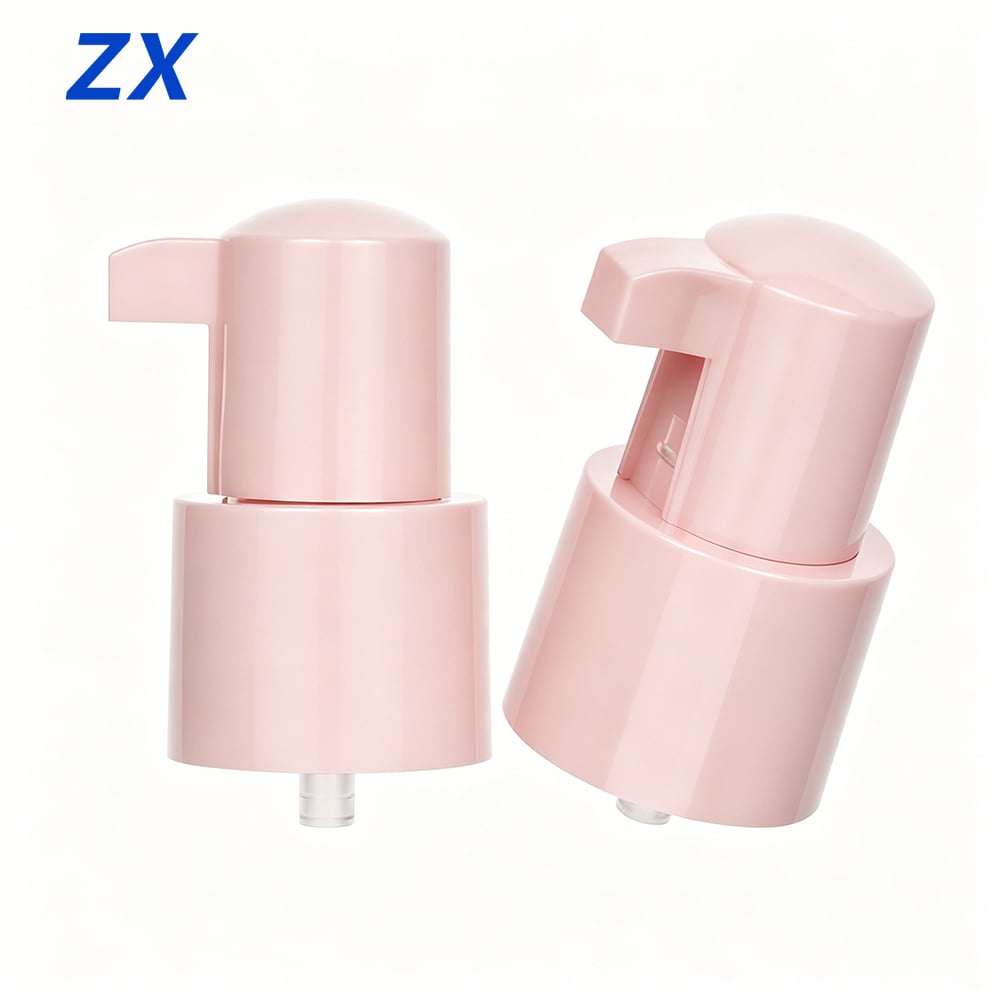
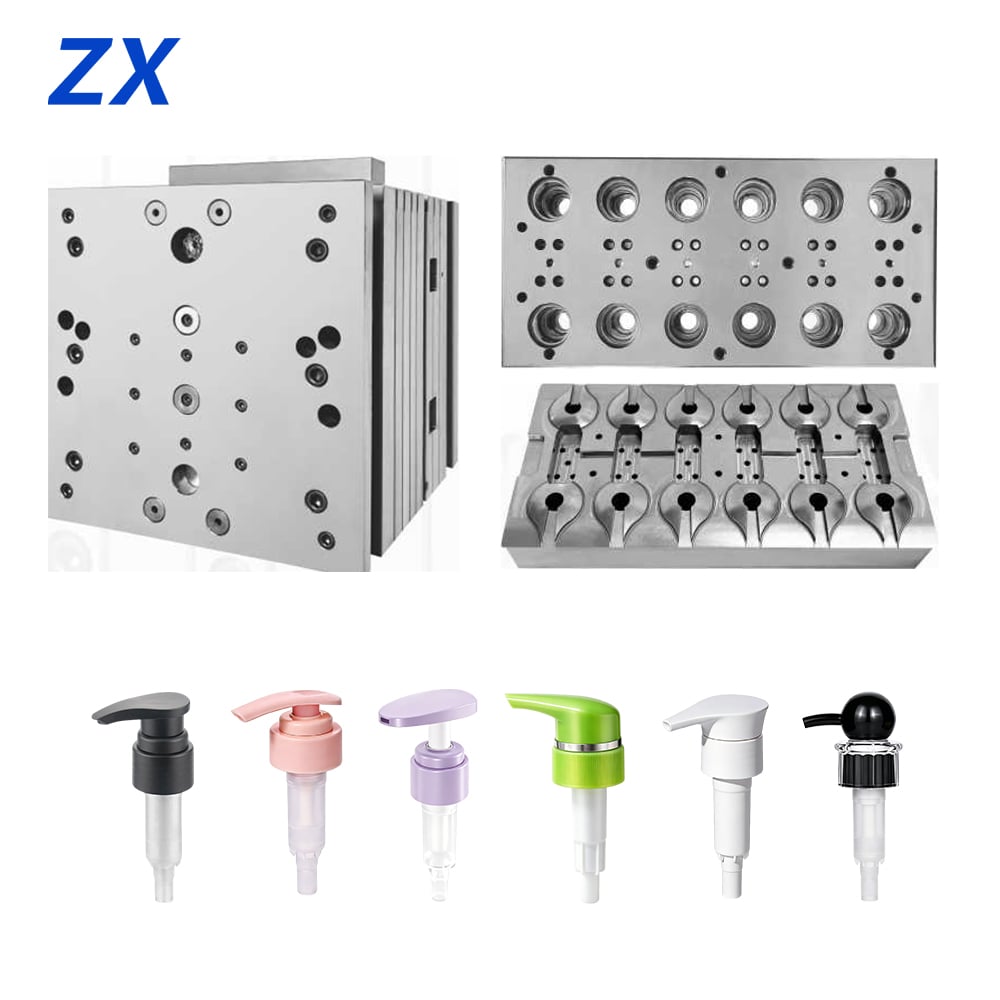
When selecting the right dispensing solution for personal care products, understanding the fundamental differences between a toothpaste pump and a standard lotion pump is essential for manufacturers and brand developers. These two pump types may appear similar at first glance, but they serve distinctly different purposes and handle vastly different product formulations. A toothpaste pump requires specialized engineering to accommodate the unique consistency and flow characteristics of toothpaste, while a standard lotion pump is designed for thinner, more fluid products. Choosing the wrong dispenser can result in inconsistent product delivery, customer frustration, and potential damage to your brand reputation.
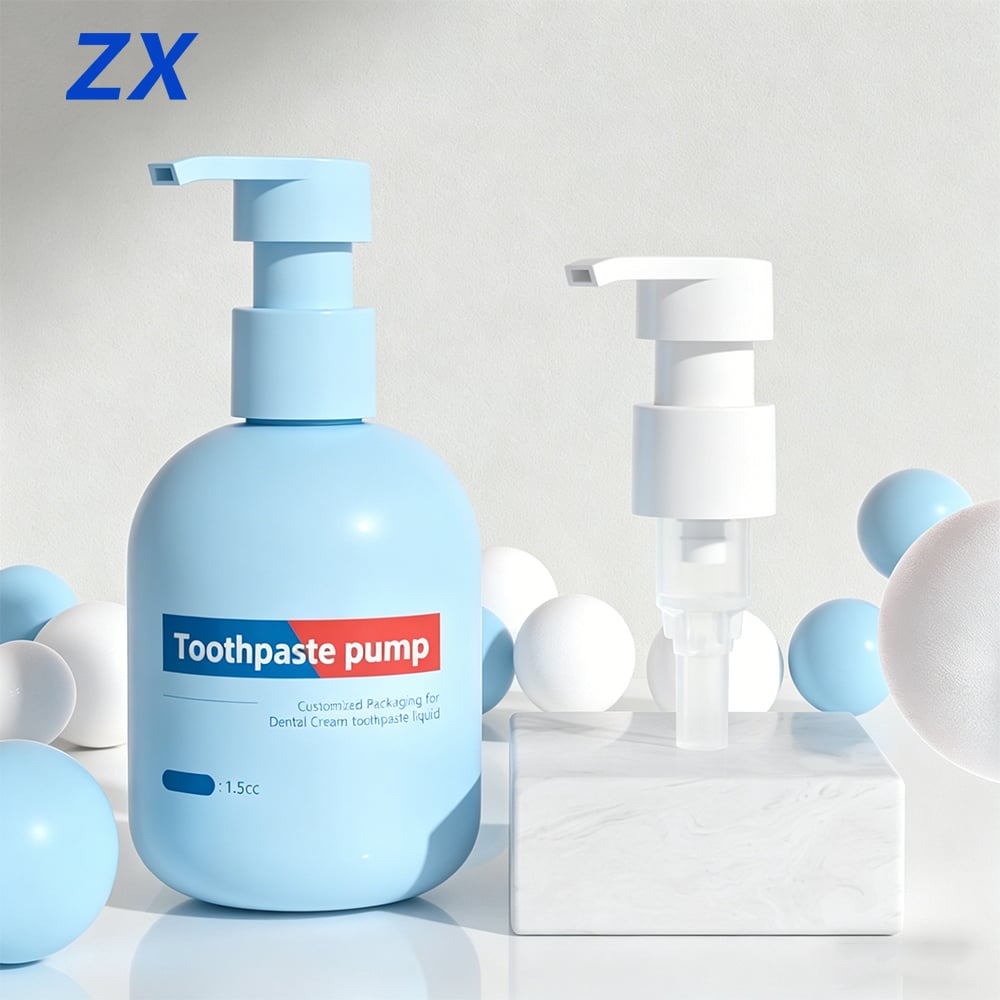
The distinction between a toothpaste pump and a lotion pump goes beyond surface-level observation. Each pump type incorporates specific mechanical features, valve systems, and internal pathways engineered to handle particular product densities and viscosity levels. Understanding these differences empowers product developers to make informed decisions about which dispenser best serves their formulation, target market, and consumer expectations. This guide explores the critical engineering and functional distinctions that set these two pump categories apart, helping you select the optimal toothpaste pump or lotion pump solution for your product portfolio.
A toothpaste pump is engineered specifically to dispense products with significantly higher viscosity than typical lotions. Toothpaste formulations contain thickening agents, abrasive particles, and active ingredients that create a dense, paste-like consistency requiring robust mechanical action to extract and dispense. The internal valve mechanism of a toothpaste pump features wider apertures and stronger spring tensions compared to standard dispensers. These design modifications prevent product clogging and ensure reliable dispensing even when the toothpaste contains suspended particles or reaches higher density levels during storage.
The toothpaste pump must overcome greater internal resistance to push product through the pump chamber and delivery nozzle. This demand necessitates a reinforced piston mechanism and specialized sealing components that maintain performance over hundreds or thousands of pump cycles. Without these enhancements, a standard lotion pump would struggle to dispense thick toothpaste consistently, resulting in partial doses, air pockets, or complete blockage within weeks of use.
A standard lotion pump operates on the principle of dispensing fluid or semi-fluid products with lower viscosity than toothpaste. Lotions, body washes, and similar personal care products typically have lower density, allowing a standard lotion pump to use lighter spring tension and narrower internal pathways. This design philosophy prioritizes ease of actuation—consumers expect minimal effort when pumping their daily lotion or cleanser. A lotion pump achieves this user-friendly experience by minimizing the mechanical resistance required for each pump stroke.
Attempting to use a standard lotion pump with a toothpaste formula would quickly reveal its limitations. The lighter spring mechanism and narrower valve openings would struggle to handle toothpaste's density, leading to incomplete dispensing, excess pressure buildup, and potential pump failure. Conversely, a toothpaste pump used with a liquid lotion might over-dispense product, creating waste and consumer frustration, as the stronger mechanical action would push excessive volume per pump.
The core mechanical difference between a toothpaste pump and a lotion pump lies in their internal spring systems and piston construction. A toothpaste pump incorporates a higher-tension spring that requires greater downward force to compress the piston chamber. This enhanced resistance ensures precise, measured dispensing of dense paste while preventing accidental over-dispensing when the pump is squeezed or subjected to pressure during transport or storage. The piston itself is typically wider and features advanced sealing rings designed to maintain integrity when handling abrasive particles common in toothpaste formulations.
The valve closure mechanism within a toothpaste pump operates with tighter tolerances than standard lotion pump designs. This precision engineering prevents product from seeping back into the reservoir between pump cycles, maintaining product freshness and preventing bacterial contamination. The check valve, which controls one-way flow through the pump, must operate reliably with thick formulations while preventing backflow of paste.
A toothpaste pump features a robust valve system with wider internal passageways compared to a standard lotion pump. These enlarged channels accommodate the thicker consistency of toothpaste without creating dangerous pressure buildups within the pump chamber. The valve design typically incorporates multiple seal points to ensure consistent dispensing volume and prevent leakage around the pump housing. Engineers designing a toothpaste pump must balance flow rate against precision dosing, ensuring consumers receive an appropriate quantity per pump stroke without requiring excessive force.
Standard lotion pump valve systems operate with narrower pathways optimized for lower-viscosity products. These slender channels facilitate smooth flow of liquid formulations with minimal resistance. The check valve mechanism in a standard lotion pump is calibrated for products that flow easily, relying on gravity and product pressure rather than robust mechanical extraction. When a toothpaste pump and lotion pump valve systems are compared directly, the toothpaste pump's architecture appears substantially more reinforced and mechanically demanding.
From a consumer perspective, the right toothpaste pump delivers consistent, predictable doses that enhance the user experience and build brand loyalty. Customers expect their toothpaste pump to produce the same quantity and consistency with each stroke, enabling them to establish reliable morning and evening routines. A well-engineered toothpaste pump prevents the frustration of inconsistent dispensing, dry puffs, or sudden product bursts that occur when pumps are poorly matched to their formulations. The satisfying tactile feedback of using a properly designed toothpaste pump—neither too stiff nor too loose—reinforces product quality perception in consumer minds.
Durability represents another critical performance factor distinguishing toothpaste pump quality. Consumers use their toothpaste pump multiple times daily, subjecting it to consistent mechanical stress. A toothpaste pump engineered with robust materials and precise tolerances withstands this daily usage for months without degradation, leakage, or mechanical failure. Budget-conscious manufacturers using standard lotion pump designs for toothpaste applications inevitably encounter warranty claims and negative reviews as pumps fail prematurely.
Standard lotion pump users expect smooth, effortless dispensing that requires minimal hand strength or effort. A lotion pump optimized for lower-viscosity products delivers this experience consistently, allowing consumers to apply their preferred volume without strain. The user experience with a properly matched lotion pump feels premium, responsive, and intuitive. However, this same ease of actuation becomes problematic if someone attempts to use a standard lotion pump with toothpaste, as it fails to control the denser product appropriately.
The practical application scenarios for a standard lotion pump include body lotions, sunscreens, facial serums, and similar personal care formulations where user convenience and smooth dispensing are paramount. These products do not require the mechanical precision or robust valve systems that a toothpaste pump provides. A standard lotion pump remains the optimal choice for these applications, delivering excellent performance without unnecessary engineering complexity.
Using a standard lotion pump for toothpaste is generally not recommended. A standard lotion pump lacks the mechanical strength, valve robustness, and internal precision required for toothpaste's thick consistency. The pump would likely fail to dispense product reliably, experience premature wear, or potentially damage the pump mechanism entirely. A properly engineered toothpaste pump is specifically designed to handle toothpaste formulations and deliver consistent, satisfying performance throughout the product's shelf life.
A toothpaste pump incorporates specialized engineering features including stronger spring tension, wider internal valve passages, reinforced piston seals, and tighter tolerances throughout its mechanism. These design elements enable a toothpaste pump to handle thick, particle-laden paste formulations while maintaining consistent dispensing volume and preventing leakage or backflow. The toothpaste pump is optimized for the unique demands of dental care products, whereas standard lotion pumps prioritize ease of use for lower-viscosity formulations.
Select your dispenser by matching the pump design to your product's viscosity, consistency, and formulation characteristics. If your product is toothpaste or similarly thick paste, a toothpaste pump provides the optimal performance and consumer experience. For lower-viscosity products like lotions or serums, a standard lotion pump delivers better results and user satisfaction. Consulting with your pump manufacturer about your specific formulation ensures you select the right dispenser technology for your brand and product requirements.
 Hot News
2026-09-15
2026-09-08
2026-09-01
2026-08-18
2026-08-13
2026-08-11
 EN
EN