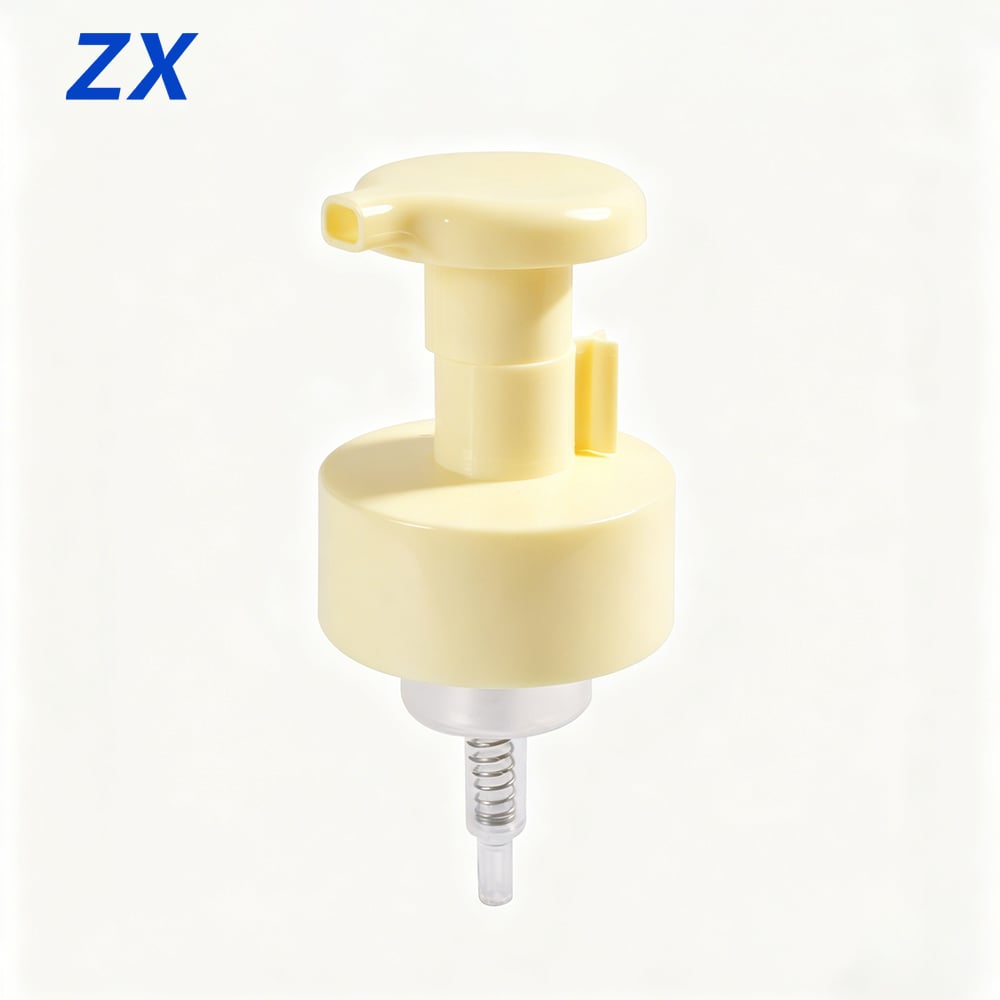
The soap pump spring design is a critical component that determines the functionality, durability, and user experience of liquid soap dispensers. Understanding the difference between internal and external spring designs in a soap pump helps manufacturers, brand owners, and procurement professionals make informed decisions about product specifications. The soap pump spring design directly influences dispensing consistency, product lifespan, and compatibility with various formulations, making it a fundamental consideration in packaging development.
The soap pump spring design serves as the mechanism that controls the vertical movement of the piston and ensures proper product return after each dispensing action. Both internal and external spring configurations achieve this basic function, yet they differ significantly in construction, performance characteristics, and practical applications. This distinction affects manufacturing costs, maintenance requirements, chemical resistance, and overall pump reliability across different usage environments and product formulations.
The internal soap pump spring design positions the spring mechanism inside the pump chamber where it remains in constant contact with the liquid product. This soap pump spring design configuration integrates the spring directly within the product pathway, meaning the spring material must demonstrate exceptional chemical resistance to prevent corrosion and contamination. Manufacturers typically use stainless steel or specially coated springs in internal soap pump spring design applications to ensure compatibility with acidic, alkaline, or solvent-based formulations.
Internal soap pump spring design systems feature a compact assembly where the spring wraps around or sits beneath the piston mechanism. This soap pump spring design approach reduces the overall height of the pump assembly, making it suitable for shorter bottle configurations. The internal soap pump spring design creates a sealed environment where the spring functions within the liquid chamber, requiring precise engineering to maintain consistent pressure across the product lifecycle.
The internal soap pump spring design offers specific performance advantages in controlled environments. This soap pump spring design provides smooth, consistent dispensing action because the spring operates in a lubricated environment created by the product itself. The internal soap pump spring design minimizes friction-related wear on moving components, potentially extending operational lifespan when matched with compatible formulations. However, this soap pump spring design also presents challenges with highly viscous products or formulations containing particulates that might interfere with spring movement.
Chemical compatibility becomes paramount with internal soap pump spring design. The spring material in this soap pump spring design must resist degradation from prolonged exposure to the product chemistry. Incompatible combinations in internal soap pump spring design can lead to spring corrosion, product contamination, or functional failure. Quality assurance testing for internal soap pump spring design typically includes extended immersion studies to validate material stability across expected product shelf life.
The external soap pump spring design positions the spring outside the product chamber, typically surrounding the pump stem or actuator shaft. This soap pump spring design isolates the spring from direct product contact, eliminating concerns about chemical compatibility between spring material and liquid formulation. The external soap pump spring design allows manufacturers to use standard spring materials without specialized coatings, often reducing component costs while maintaining reliable performance across diverse product types.
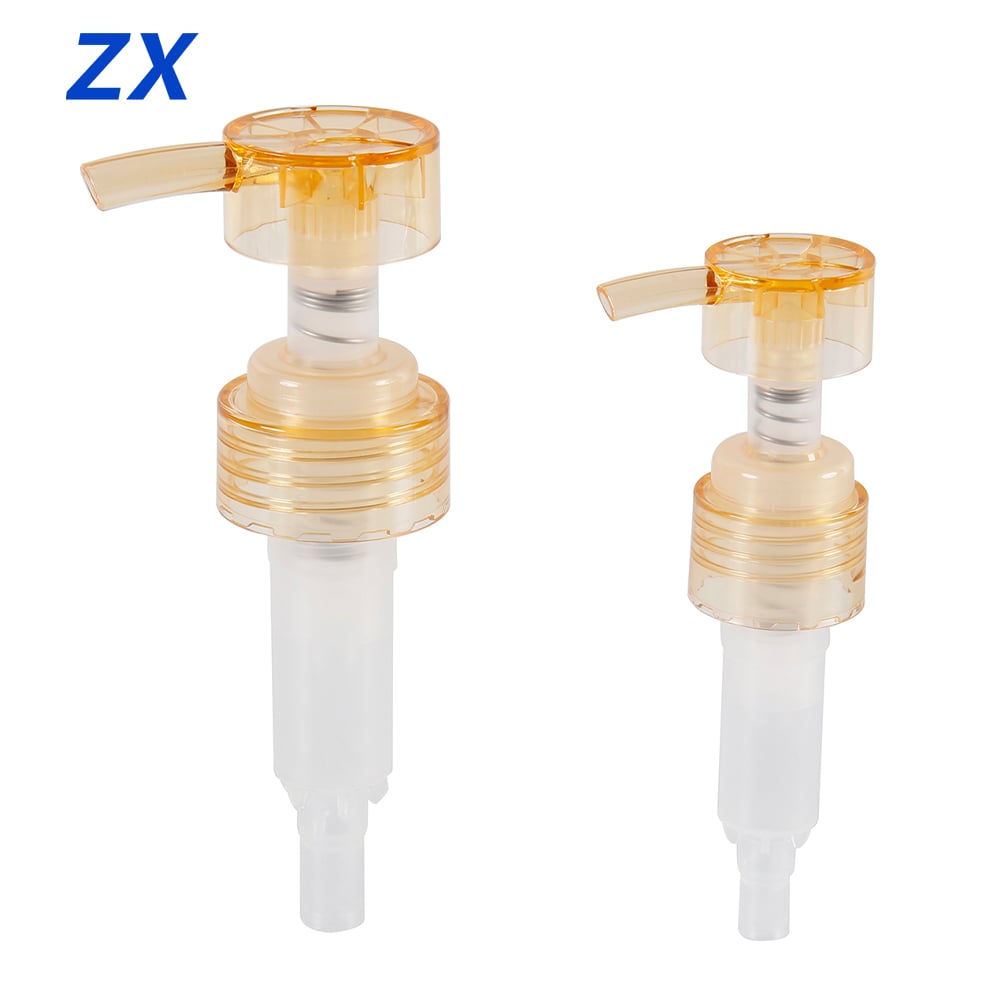
External soap pump spring design architecture creates a visible spring element in the pump assembly. This soap pump spring design typically results in a taller pump profile compared to internal configurations, though it simplifies assembly processes and facilitates easier quality inspection. The external soap pump spring design separates functional zones within the pump mechanism, with the spring providing return force while remaining isolated from the product pathway. This soap pump spring design approach has become increasingly popular in personal care and household cleaning applications.
The external soap pump spring design delivers superior versatility across product formulations. This soap pump spring design eliminates chemical compatibility constraints that limit internal spring configurations, making it suitable for aggressive cleaners, high-pH formulations, or products containing solvents. The external soap pump spring design maintains consistent performance regardless of product chemistry, providing manufacturers with flexibility in formulation development without redesigning packaging components.
Maintenance and reliability advantages characterize external soap pump spring design. This soap pump spring design allows for visual inspection of the spring condition without disassembling the pump mechanism. The external soap pump spring design experiences less exposure to product residue that might cause buildup or functional degradation. Users can easily identify spring fatigue or damage in external soap pump spring design systems, facilitating proactive replacement before functional failure occurs. This soap pump spring design transparency supports quality control and reduces unexpected dispensing issues.
Dispensing consistency varies between soap pump spring design configurations based on product viscosity and usage patterns. Internal soap pump spring design typically provides smoother operation with thin to medium viscosity products because the lubricating effect of the liquid reduces friction. External soap pump spring design delivers more predictable force curves across temperature variations and product depletion cycles. The soap pump spring design choice influences shot size consistency, with external configurations often providing tighter tolerances in multi-dose dispensing scenarios.
Durability considerations differ significantly between soap pump spring design types. Internal soap pump spring design longevity depends heavily on formulation compatibility and product pH stability. External soap pump spring design generally offers extended operational life because environmental exposure presents less risk than chemical immersion. The soap pump spring design selection impacts warranty considerations and consumer satisfaction, particularly in premium product categories where dispensing performance reflects brand quality perceptions.
Product formulation characteristics drive soap pump spring design selection in most applications. Internal soap pump spring design works well with neutral pH, water-based formulations that pose minimal corrosion risk. External soap pump spring design becomes essential for acidic cleaners, alkaline detergents, or solvent-containing products where chemical resistance concerns outweigh other considerations. The soap pump spring design must align with formulation chemistry to ensure reliable performance throughout the product lifecycle.
Package design constraints influence soap pump spring design decisions. Internal soap pump spring design enables lower pump profiles for aesthetic or functional requirements. External soap pump spring design accommodates standard manufacturing processes and simplifies component sourcing. The soap pump spring design affects mold design, assembly complexity, and production costs. Brand positioning and price point considerations also inform soap pump spring design choices, with premium products sometimes favoring internal configurations for sleeker appearance despite higher component costs.
Manufacturing volume and supply chain factors impact soap pump spring design feasibility. Internal soap pump spring design often requires specialized spring materials and coating processes, potentially limiting supplier options. External soap pump spring design uses commodity spring components with broader sourcing availability. The soap pump spring design selection should consider production scalability, component lead times, and supplier qualification requirements. Quality control procedures vary between soap pump spring design types, with external configurations generally offering simpler inspection protocols and reduced testing complexity.
Internal soap pump spring design works effectively with neutral pH and water-based formulations but requires careful material selection for acidic or alkaline products. The spring material in internal soap pump spring design must resist corrosion from prolonged chemical exposure. Manufacturers should conduct compatibility testing between the internal soap pump spring design materials and specific formulations to ensure long-term reliability. External soap pump spring design offers broader formulation compatibility because the spring remains isolated from product contact.
Internal soap pump spring design typically incurs higher component costs due to specialized spring materials and protective coatings required for chemical resistance. The internal soap pump spring design may also require more complex assembly processes and extended quality testing. External soap pump spring design uses standard spring materials and simpler manufacturing procedures, often resulting in lower per-unit costs. However, the total cost comparison for soap pump spring design types should include tooling, testing, and potential warranty expenses across the product lifecycle.
The soap pump spring design influences return force characteristics and piston movement precision. Internal soap pump spring design benefits from liquid lubrication, potentially reducing friction and improving smoothness with compatible formulations. External soap pump spring design provides more consistent force curves across temperature variations and usage cycles. Both soap pump spring design types can deliver excellent dispensing consistency when properly engineered for specific viscosity ranges and shot size requirements. The optimal soap pump spring design depends on product characteristics and performance expectations.
 Hot News
2026-09-15
2026-09-08
2026-09-01
2026-08-18
2026-08-13
2026-08-11
 EN
EN