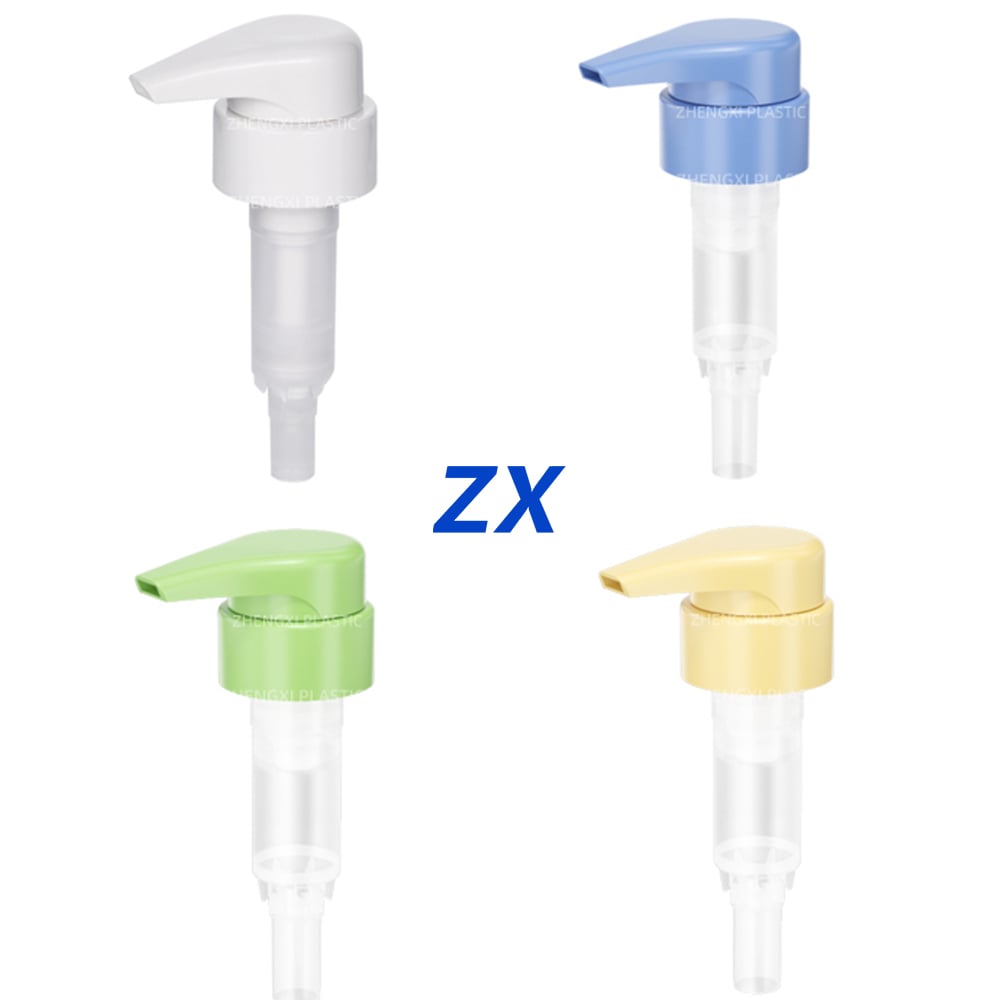
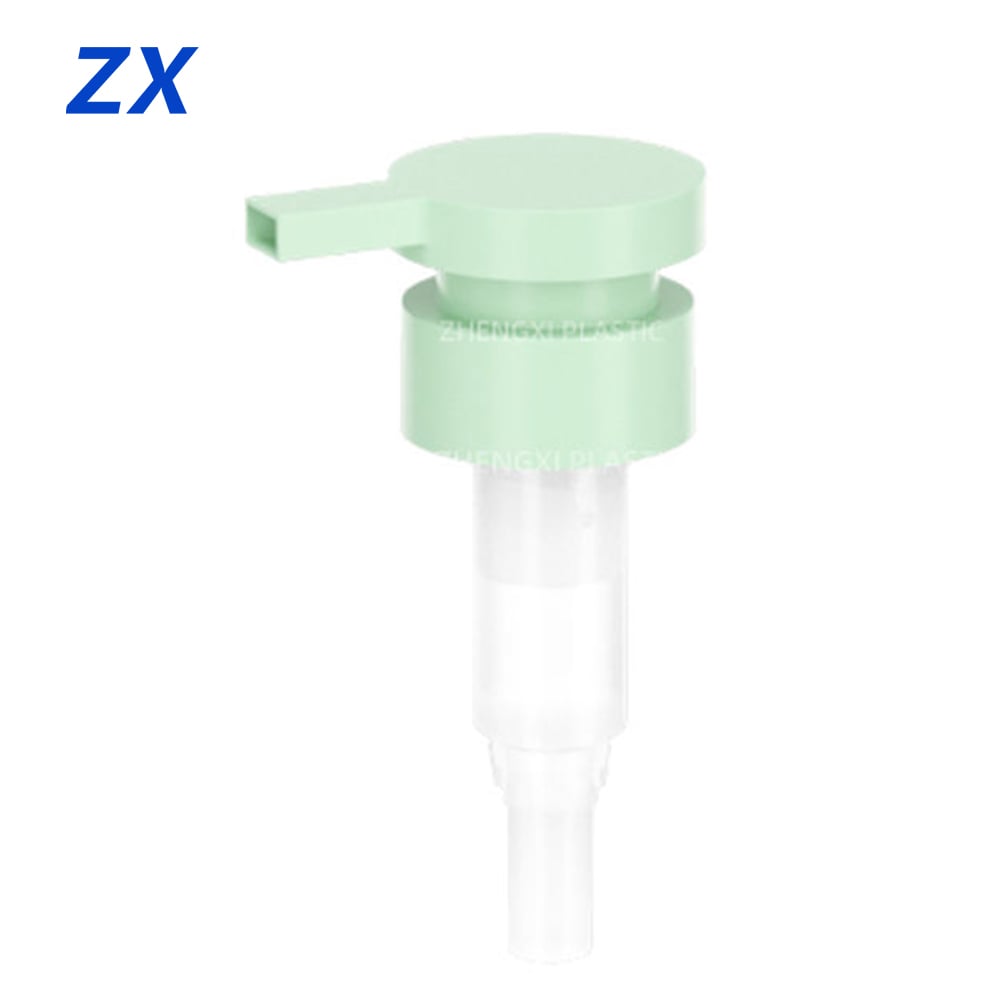
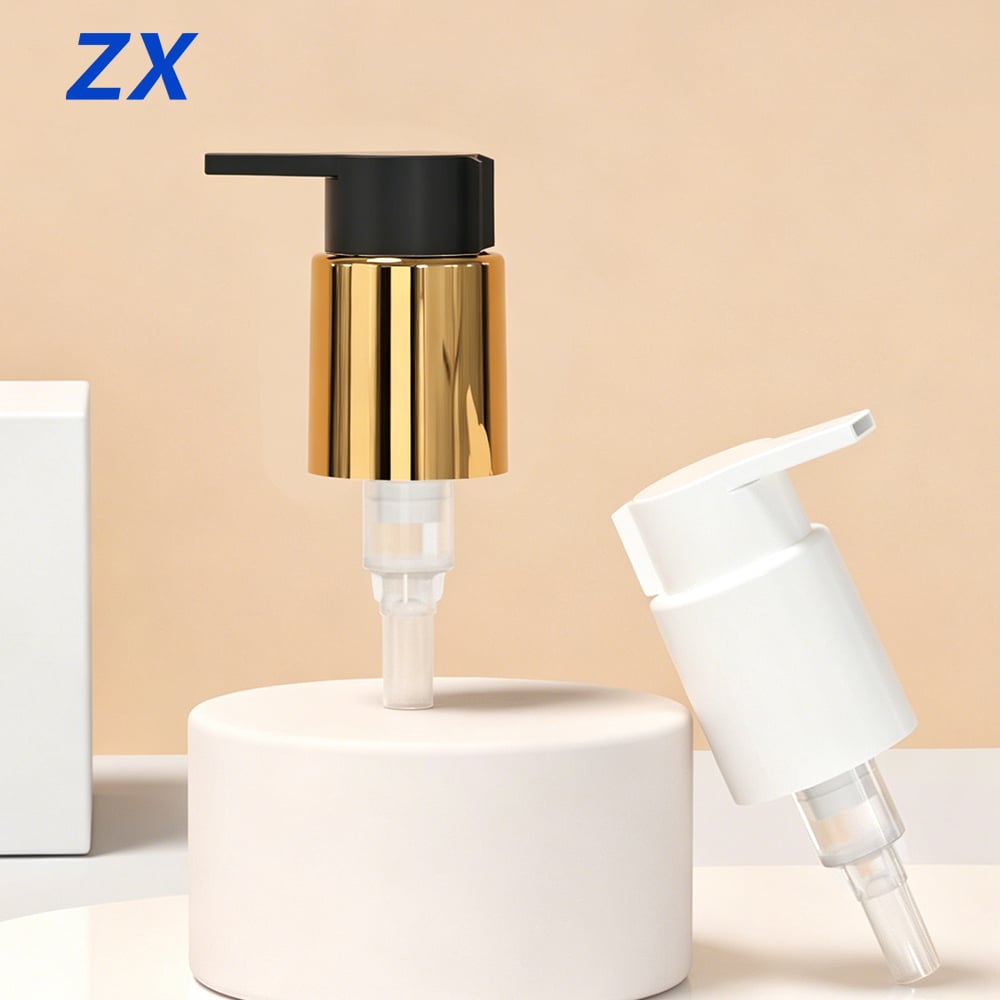
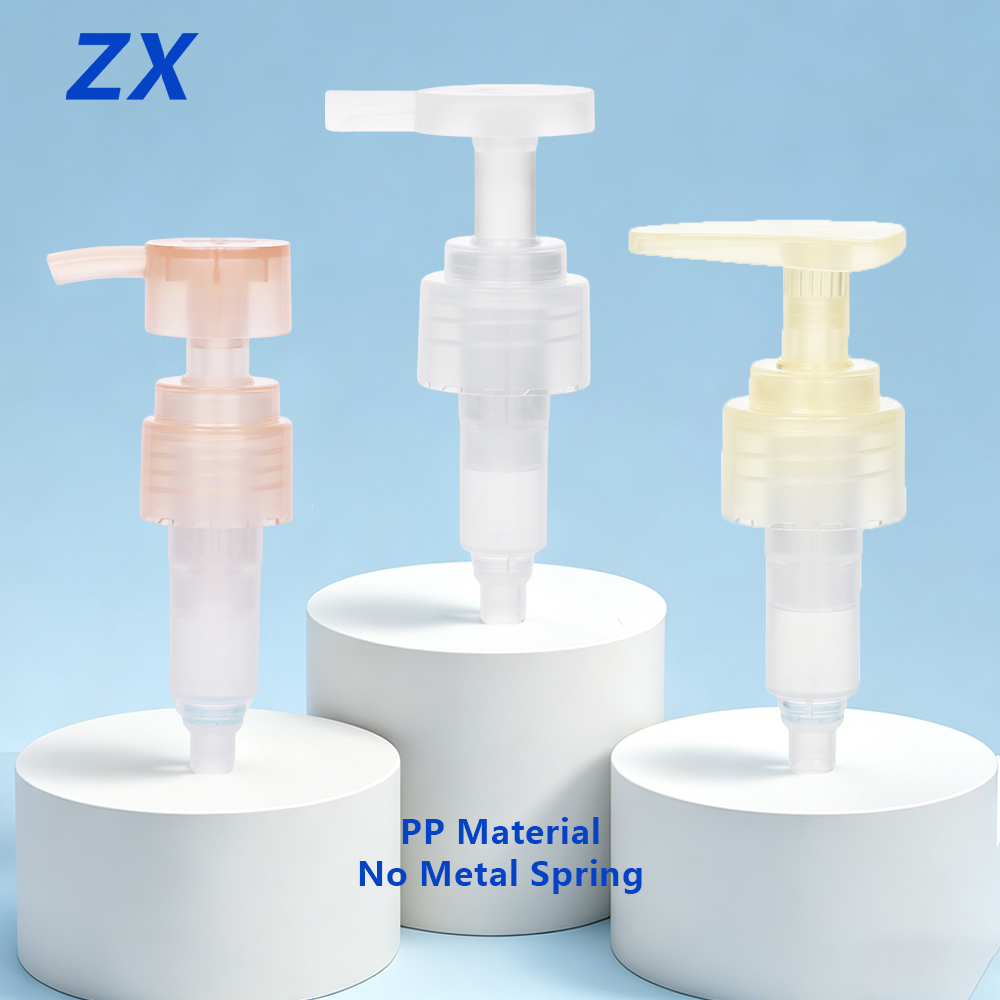
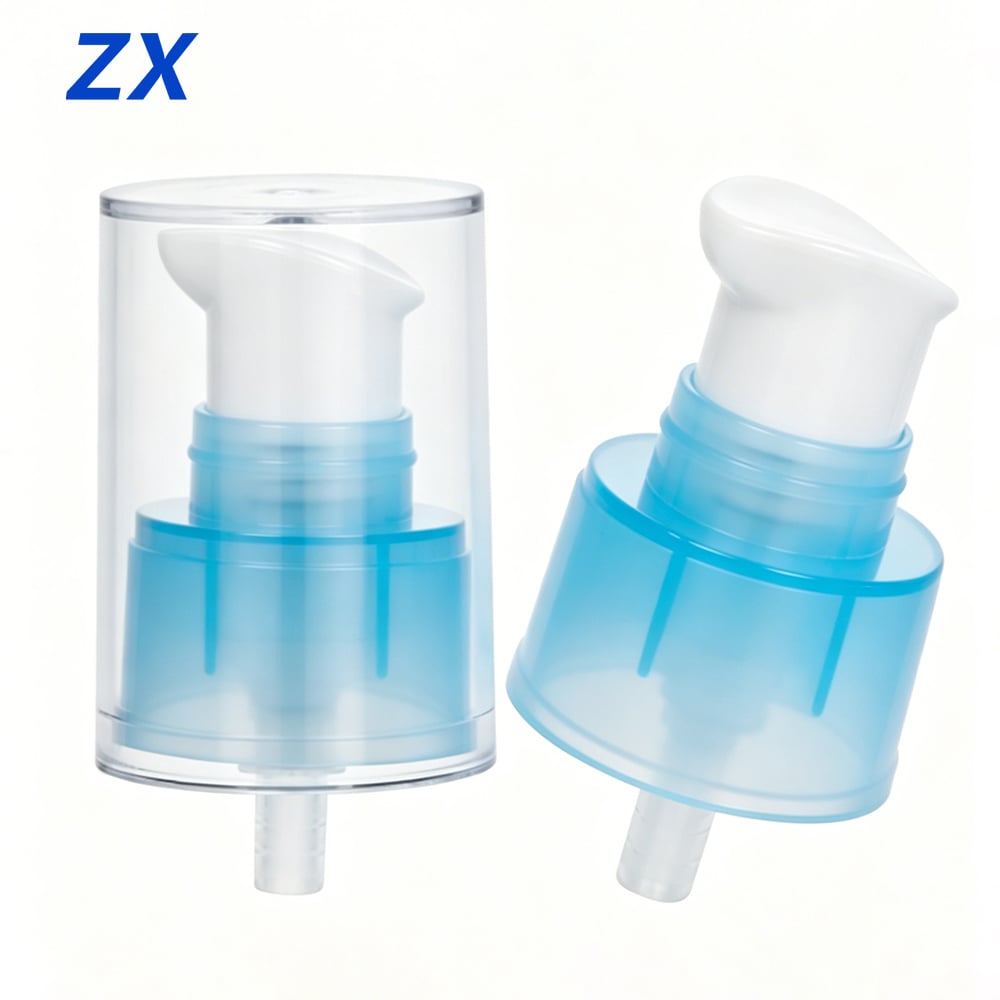
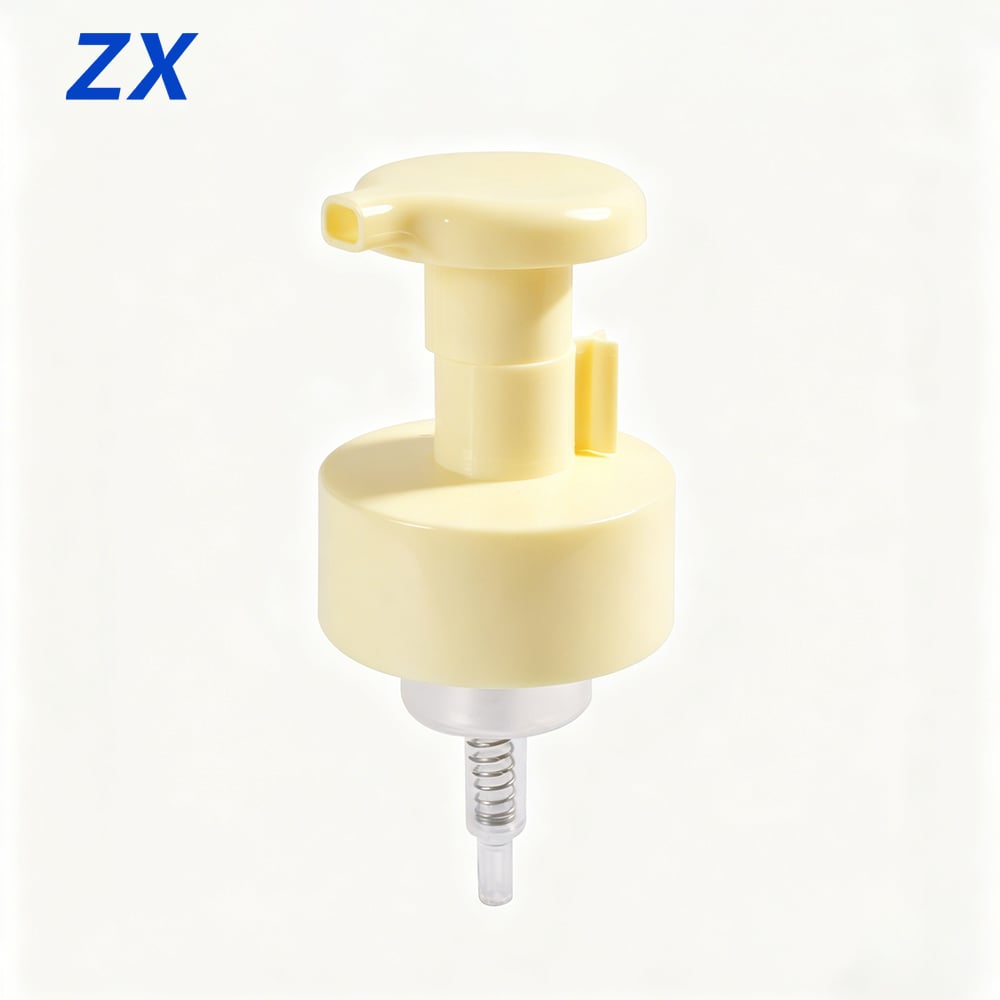
Understanding the internal components of a lotion pump dispenser is essential for manufacturers, product developers, and anyone involved in packaging liquid cosmetics and personal care products. A lotion pump dispenser consists of multiple precision-engineered parts that work together to create a reliable, consistent dispensing mechanism. Each component plays a critical role in ensuring the lotion pump dispenser delivers the right amount of product with each actuation while preventing leakage and contamination.
The functionality of a lotion pump dispenser depends on the precise interaction between its internal components, which include the actuator, closure, outer gasket, housing, stem, ball and spring assembly, piston, inner gasket, and dip tube. Each lotion pump dispenser component is designed to create a sealed pathway that draws product from the bottle and dispenses it through the nozzle. This article examines each internal component of a lotion pump dispenser and explains how the complete mechanism functions to deliver controlled product dispensing.
The actuator is the top component of a lotion pump dispenser that users press to dispense product. This visible part of the lotion pump dispenser transfers the downward force from the user's finger to the internal mechanism. The actuator connects to the closure, which threads onto the bottle neck and holds the entire lotion pump dispenser assembly in place. The closure of a lotion pump dispenser typically includes an outer gasket that creates a seal between the pump and the bottle, preventing product from leaking around the threads. High-quality lotion pump dispensers use closures with precise thread specifications to ensure compatibility with standard bottle neck finishes.
The housing is the main body of a lotion pump dispenser that contains the vertical channel through which product travels. This component of a lotion pump dispenser is typically made from polypropylene or other durable plastics that resist chemical interaction with cosmetic formulations. The stem extends downward from the housing and serves as the central shaft of the lotion pump dispenser. When the actuator is pressed, the stem moves downward, compressing the spring and creating the pressure differential needed for product dispensing. The stem of a lotion pump dispenser must be precisely manufactured to maintain smooth vertical movement without binding or sticking.
The ball and spring assembly is a critical component within the lotion pump dispenser that controls product flow direction. The spring in a lotion pump dispenser stores mechanical energy when compressed and returns the pump to its rest position after actuation. The ball acts as a one-way valve in the lotion pump dispenser, sitting in a specially designed seat that allows product to flow upward during the intake stroke but prevents backflow during the discharge stroke. This ball valve system in a lotion pump dispenser ensures that product only moves in the intended direction, creating the suction needed to draw more product from the bottle. The spring tension in a lotion pump dispenser is carefully calibrated to provide appropriate resistance while ensuring reliable return action.
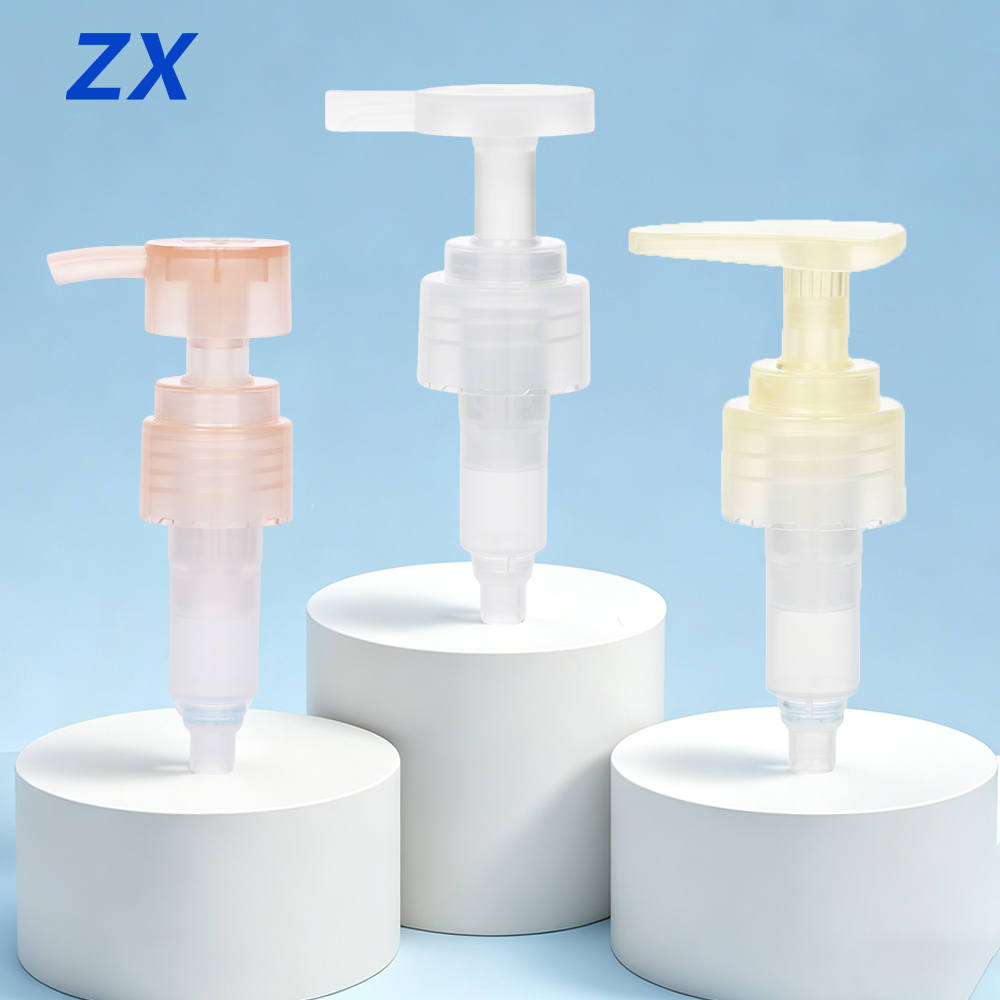
The piston is a cylindrical component within the lotion pump dispenser that moves up and down inside the housing to create pressure changes. This moving part of a lotion pump dispenser features a precisely machined outer surface that slides against the inner wall of the housing with minimal friction. The piston of a lotion pump dispenser creates a variable-volume chamber that expands during the upstroke to draw product in and contracts during the downstroke to push product out. The dimensional tolerances between the piston and housing in a lotion pump dispenser are critical for maintaining proper suction and preventing air from entering the system.
The inner gasket is a rubber or elastomeric seal within the lotion pump dispenser that ensures airtight operation. This component of a lotion pump dispenser wraps around the piston or stem to create a flexible seal that moves with the pumping action. The inner gasket in a lotion pump dispenser prevents product from leaking past the piston during compression while allowing smooth movement during operation. Material selection for the inner gasket of a lotion pump dispenser is important because it must resist degradation from exposure to various cosmetic ingredients including oils, alcohols, and surfactants. A properly functioning inner gasket in a lotion pump dispenser maintains consistent dosing volume over thousands of actuation cycles.
The dip tube is the long, narrow tube that extends from the bottom of the lotion pump dispenser down into the product container. This component of a lotion pump dispenser reaches nearly to the bottom of the bottle to access product throughout the container's life. The dip tube of a lotion pump dispenser connects to the ball and spring assembly at the intake point, creating a continuous pathway from the product reservoir to the discharge nozzle. The internal diameter of the dip tube in a lotion pump dispenser affects flow resistance and must be sized appropriately for the viscosity of the product being dispensed. Some lotion pump dispensers feature dip tubes with filtered intake ends to prevent particulates from entering the pump mechanism.
When a lotion pump dispenser is first installed on a bottle, it requires priming to fill the internal chambers with product and remove air. During priming of a lotion pump dispenser, the user presses the actuator multiple times to create repeated vacuum cycles that draw product up through the dip tube. On each upward stroke of a lotion pump dispenser, the spring pushes the piston upward, expanding the chamber volume and creating negative pressure. This vacuum in the lotion pump dispenser causes the ball to lift from its seat, allowing product to flow from the dip tube into the chamber. The intake stroke of a lotion pump dispenser continues until the spring reaches its natural extension and the chamber reaches maximum volume. Proper priming ensures the lotion pump dispenser operates efficiently from the first use after the initial setup.
The discharge stroke of a lotion pump dispenser begins when the user presses down on the actuator. This downward force compresses the spring and pushes the piston downward in the lotion pump dispenser, reducing chamber volume and increasing internal pressure. The increased pressure in the lotion pump dispenser forces the ball back onto its seat, closing the intake pathway and directing all product flow toward the discharge nozzle. As the piston continues moving downward in the lotion pump dispenser, product is expelled through the actuator orifice in a controlled dose. The stroke length and chamber volume of a lotion pump dispenser determine the output volume per actuation, typically ranging from 0.5 to 4 milliliters depending on pump design. When the user releases the actuator of a lotion pump dispenser, the spring immediately begins pushing the piston back up to repeat the intake cycle.
After priming, a lotion pump dispenser operates in a continuous cycle of intake and discharge strokes. Each actuation of a lotion pump dispenser follows the same mechanical sequence: downward compression expels product while upward spring return draws new product into the chamber. The ball valve in a lotion pump dispenser automatically switches between open and closed positions based on pressure differentials, requiring no manual intervention. This self-regulating mechanism in a lotion pump dispenser ensures consistent operation across thousands of uses. The sealing components of a lotion pump dispenser prevent air from entering the system during operation, maintaining the vacuum needed for reliable product delivery. A well-designed lotion pump dispenser maintains consistent output volume throughout the product's lifecycle, from the first dose to the last.
A lotion pump dispenser typically fails due to dried product buildup around the ball valve or piston, damaged seals that allow air leakage, or a weakened spring that cannot generate sufficient return force. Regular use prevents product from drying inside the lotion pump dispenser mechanism. If a lotion pump dispenser becomes clogged, running warm water through the pump or soaking the assembly can often restore function. Manufacturing defects in lotion pump dispensers such as improperly fitted gaskets or misaligned components can also cause malfunction.
Yes, product viscosity significantly impacts lotion pump dispenser performance. Thicker formulations require greater force to move through the dip tube and pump chamber of a lotion pump dispenser, which may result in incomplete priming or reduced output volume. Manufacturers design specific lotion pump dispensers for different viscosity ranges, with variations in dip tube diameter, spring tension, and chamber design. Using a lotion pump dispenser matched to the product viscosity ensures optimal dispensing performance and user experience.
Quality lotion pump dispensers are designed to withstand 20,000 to 50,000 actuation cycles depending on construction quality and materials used. Premium lotion pump dispensers with high-grade springs, durable seals, and precision-molded components can exceed these ranges. The actual lifespan of a lotion pump dispenser depends on product compatibility, frequency of use, and whether the pump is allowed to dry out between uses. Most consumer products are fully depleted long before the lotion pump dispenser reaches its mechanical failure point.
 Hot News
2026-09-15
2026-09-08
2026-09-01
2026-08-18
2026-08-13
2026-08-11
 EN
EN