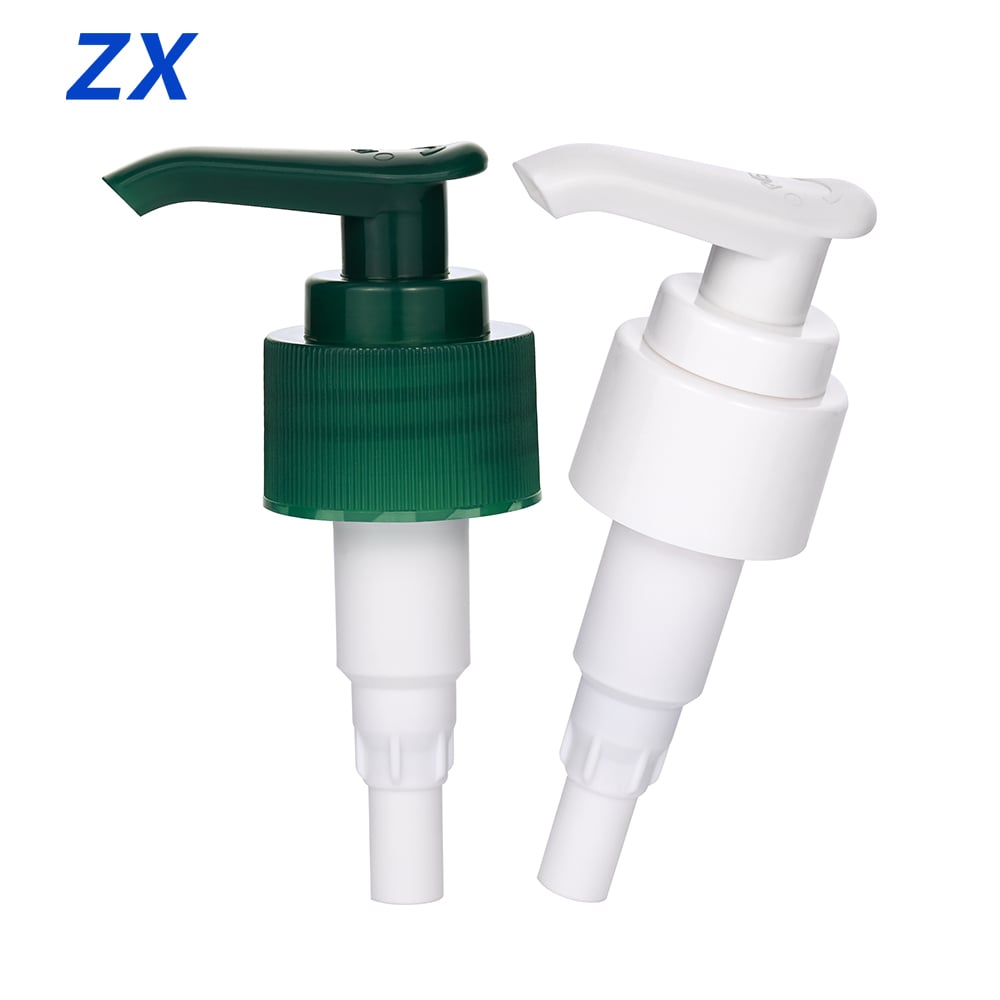
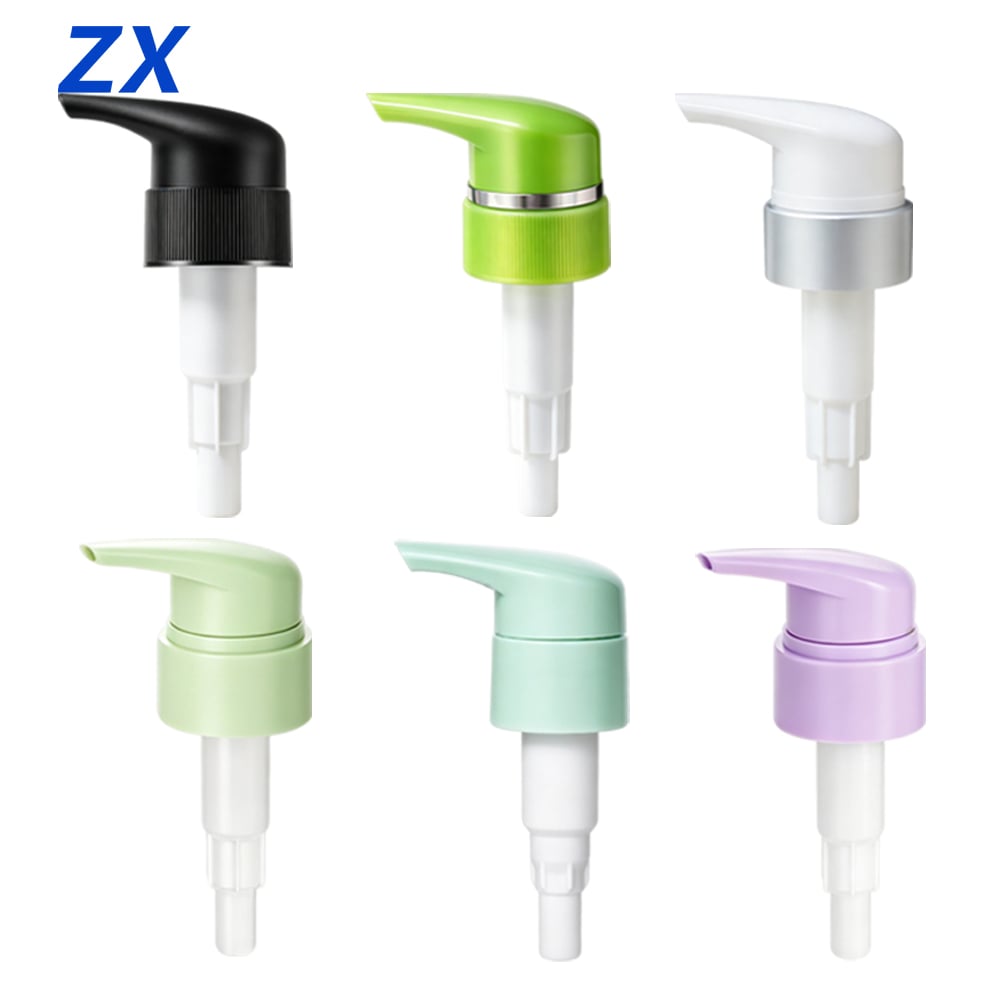
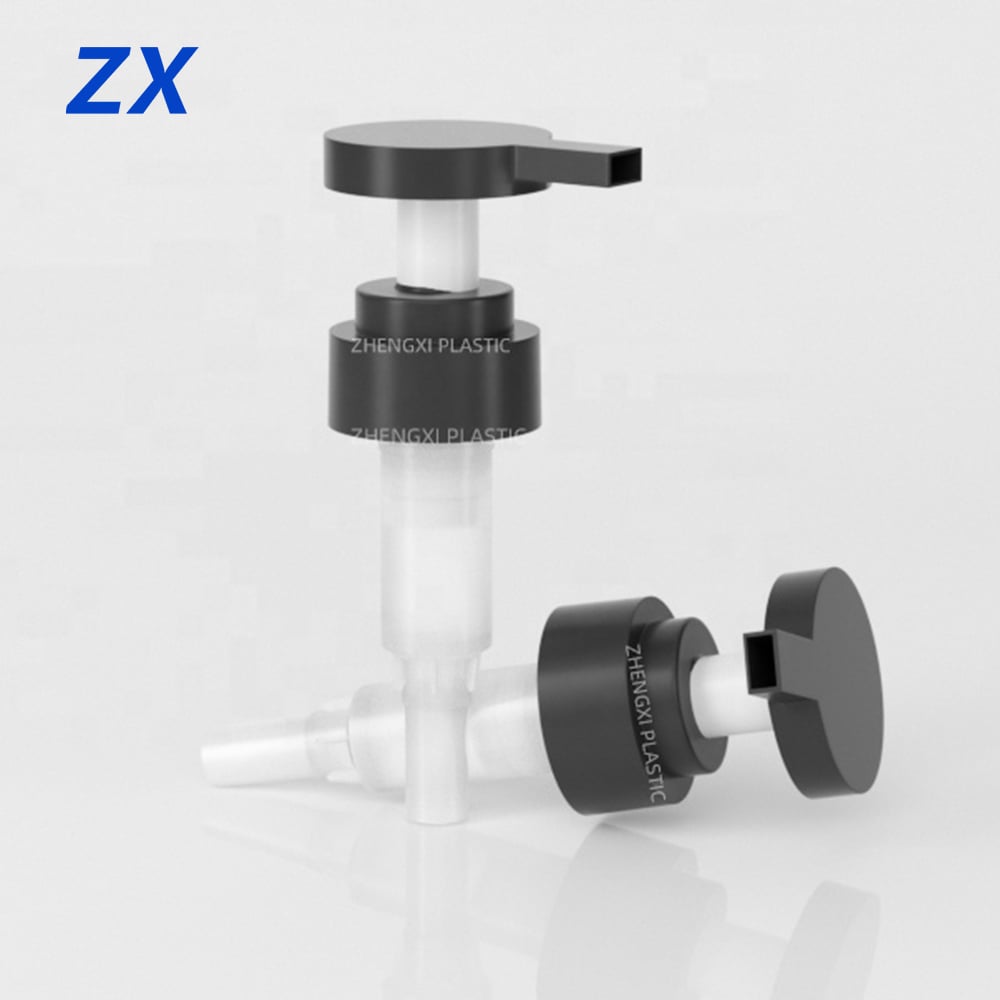
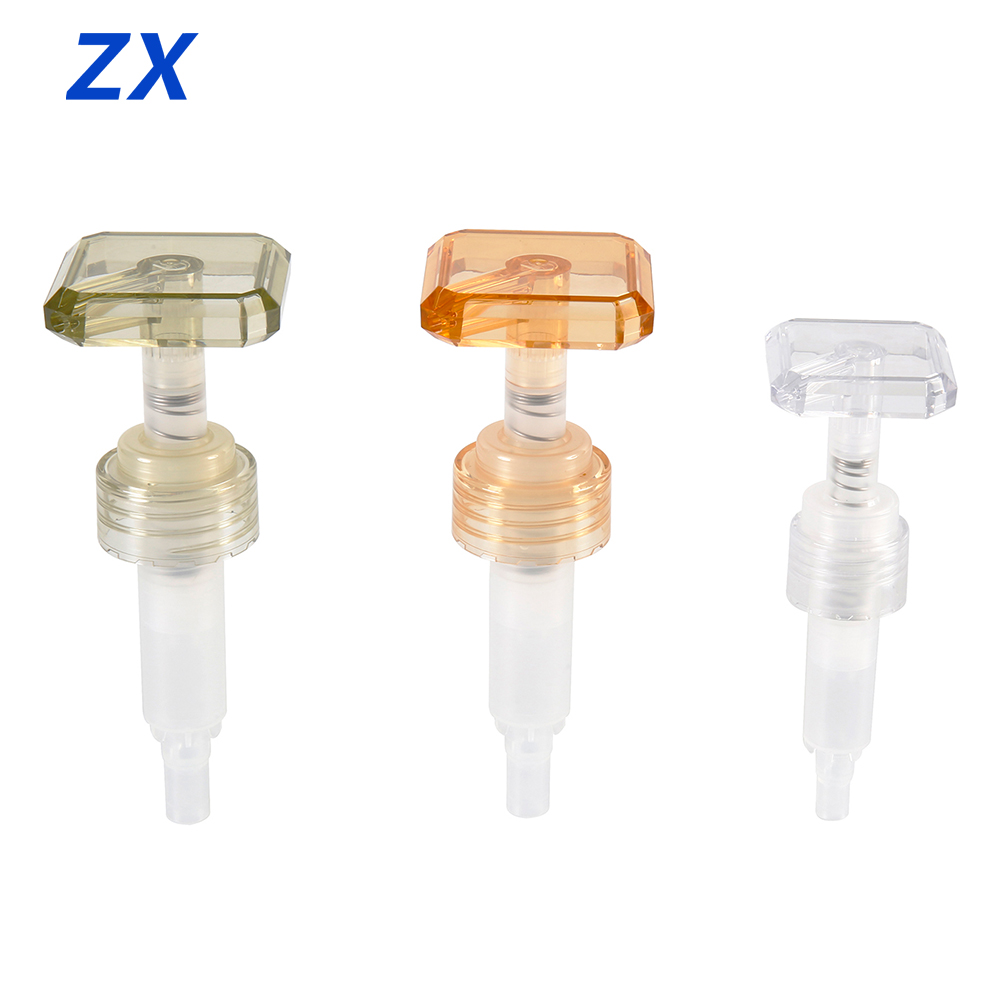
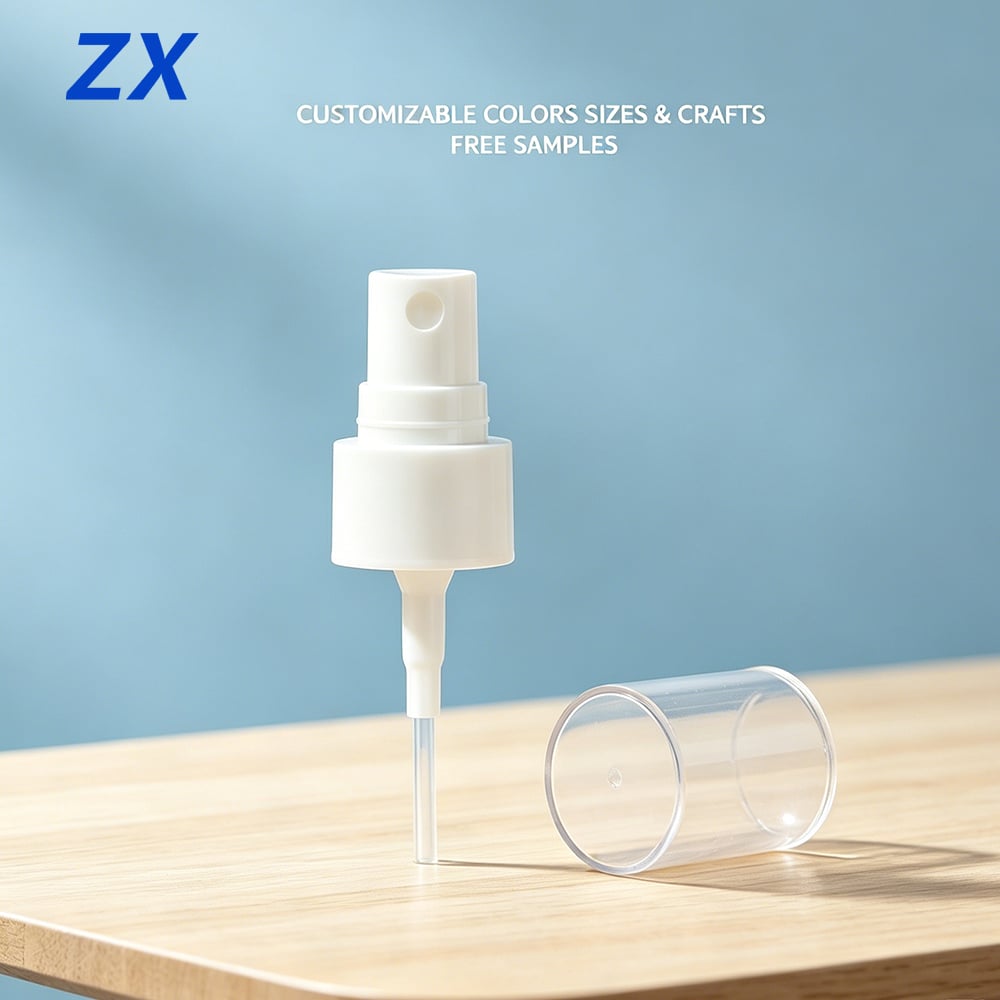
The choice between an all-plastic lotion pump and metal-spring alternatives represents a critical decision in cosmetic and personal care packaging design. Many manufacturers default to traditional metal-spring mechanisms without evaluating whether an all-plastic lotion pump truly serves their product needs better. Understanding the practical advantages of an all-plastic lotion pump over metal-spring systems reveals why modern brands increasingly favor plastic construction for premium dispensing solutions.
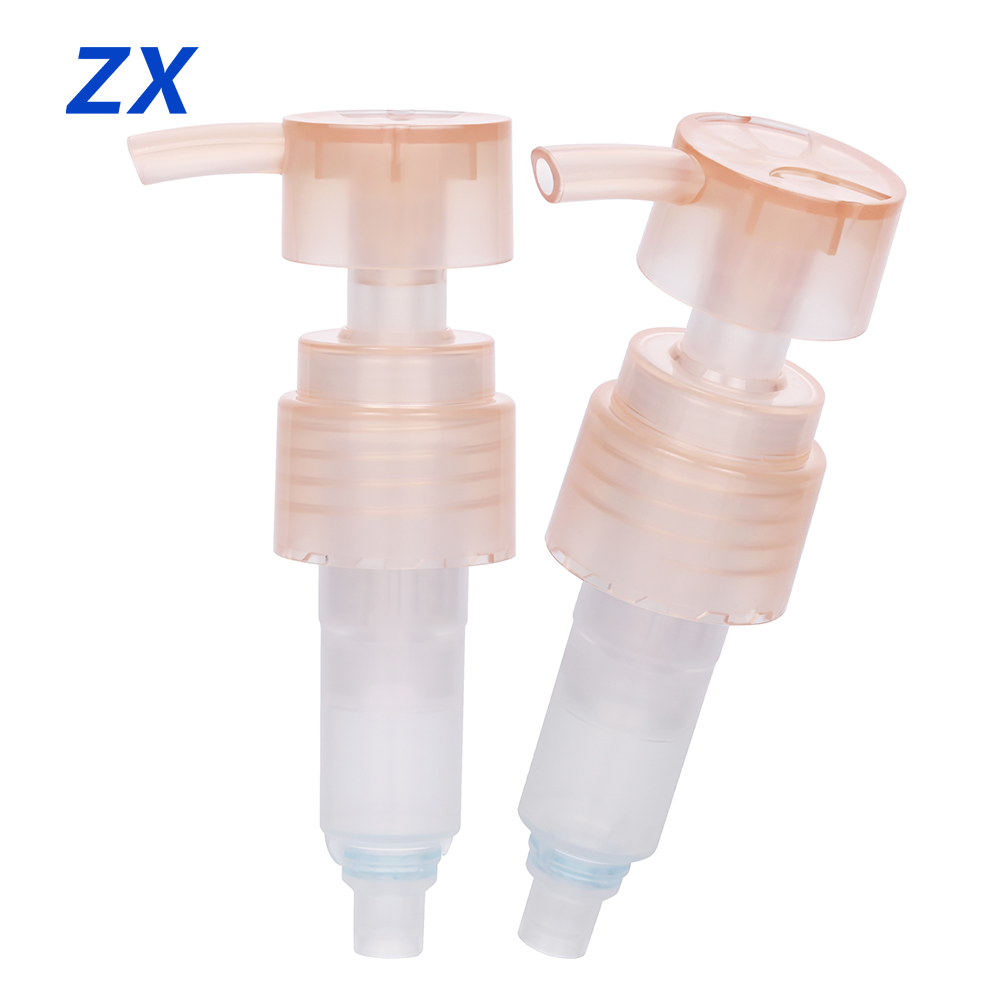
An all-plastic lotion pump delivers superior performance across durability, cost efficiency, and chemical compatibility. Unlike metal components that corrode, rust, or react with certain formulations, an all-plastic lotion pump maintains integrity throughout the product lifecycle. The shift toward all-plastic lotion pump technology reflects decades of engineering refinement and real-world feedback from manufacturers who demand reliability without compromise.
Metal-spring lotion pumps face inherent vulnerability in moist, acidic, or alkaline formulations common in skincare and personal care products. When metal components contact preservatives, botanical extracts, or water-based emulsions, oxidation and corrosion begin immediately. An all-plastic lotion pump eliminates this risk entirely because plastic materials resist chemical attack and environmental degradation that metal springs cannot withstand. Over months of storage and use, metal corrosion accelerates pump failure, leakage, and product contamination that damages brand reputation and consumer trust.
An all-plastic lotion pump engineered with polypropylene, polyethylene, or specialty polymers maintains chemical inertness across diverse product pH ranges, alcohol content, and preservative systems. Manufacturers who test an all-plastic lotion pump with aggressive formulations report zero corrosion, no metallic discoloration transfer to products, and consistent dispensing performance after 24-month shelf trials. The plastic-to-plastic seal within an all-plastic lotion pump also prevents micro-corrosion particles from contaminating premium cosmetic formulations, a critical compliance factor for luxury brands and dermatological lines.
An all-plastic lotion pump is manufactured via high-speed injection molding, a process that enables economies of scale unmatched by metal-spring assembly operations. Metal-spring pumps require fastening, welding, surface treatment, and multi-step assembly, adding labor costs and quality variance. An all-plastic lotion pump exits the mold as a complete functional unit requiring minimal finishing, reducing per-unit production cost by 25 to 40 percent compared to traditional spring mechanisms. This cost advantage compounds across high-volume orders, making an all-plastic lotion pump the rational choice for brands scaling rapidly or competing on value without sacrificing performance.
Supply disruptions to metal raw materials and spring manufacturers create vulnerability for brands dependent on metal-spring pumps. An all-plastic lotion pump mitigates this risk because resin suppliers operate globally, tooling remains flexible, and mold adjustments accommodate design refinements far faster than metal component sourcing cycles. Brands working with all-plastic lotion pump manufacturers report 6-to-8-week lead times for tooling and production versus 12-to-16-week timelines for metal assembly. This supply chain efficiency translates directly to faster product launches and reduced inventory carrying costs.
An all-plastic lotion pump removes the theoretical risk of metal particle shedding, microscopic rust flakes, or nickel leaching that can occur in metal-spring systems when corrosion initiates. Consumer safety regulatory bodies, including FDA and EU cosmetic directives, increasingly scrutinize metal component integrity in dispensing devices. An all-plastic lotion pump fully complies with these directives because plastic materials present zero heavy metal risk and do not degrade into potentially harmful particulates. Brands reformulating to eliminate metal-spring pumps cite regulatory certainty and liability reduction as primary motivators, reinforcing the strategic advantage of an all-plastic lotion pump design.
An all-plastic lotion pump constructed as a fully sealed monolithic unit prevents bacterial colonization around metal-spring interfaces, a known weakness in hybrid designs. Gaps between metal and plastic components create microbial harborage that compromises product preservation and shelf-life claims. An all-plastic lotion pump eliminates these dead spaces entirely, resulting in cleaner pharmaceutical-grade dispensing that surpasses metal-hybrid systems. Preservation specialists and microbiology labs confirm that an all-plastic lotion pump reduces preservative burden by 10 to 15 percent, enabling cleaner formulations and lower irritation potential for sensitive skin categories.
An all-plastic lotion pump maintains consistent spray or pump action across ambient temperature fluctuations from 5°C to 45°C because plastic materials exhibit predictable elasticity characteristics. Metal-spring systems exhibit thermal expansion and contraction that alters spring tension, causing dispensing inconsistency in warehouse storage, shipping, and retail display environments. An all-plastic lotion pump designers engineer polymer blends and spring geometry for stable performance across global supply chains, ensuring end consumers experience identical product delivery whether a bottle sits in Toronto in winter or Miami in summer.
An all-plastic lotion pump engineered with modern valve technology delivers precise, repeatable dose volumes that exceed metal-spring accuracy. Consumers value predictable product dispensing because it correlates with effective application, product longevity perception, and purchase loyalty. An all-plastic lotion pump rated for 500 to 1000 actuations maintains calibrated output throughout this lifecycle, whereas metal-spring systems exhibit variance and degradation. Brands measuring pump lifespan and user satisfaction scores consistently report that an all-plastic lotion pump outperforms metal alternatives by 15 to 20 percent in customer retention metrics.
Yes, an all-plastic lotion pump constructed from UV-stabilized polypropylene or polyethylene maintains structural integrity for three to five years in typical storage conditions. Accelerated aging tests simulate 24 months of retail shelf life, and an all-plastic lotion pump shows zero spring fatigue, elastomer hardening, or dispensing degradation. The plastic materials resist environmental light, heat, and humidity far more effectively than metal-spring assemblies that corrode even in dry storage.
An all-plastic lotion pump is engineered for diverse viscosity ranges from thin toners to thick creams by adjusting internal valve orifice sizing and spring tension parameters. Manufacturers specify an all-plastic lotion pump variants rated for viscosities up to 50,000 centipoise, covering most cosmetic formulations. The advantage of an all-plastic lotion pump over metal designs is that plastic valve seats provide superior sealing against high-viscosity products without sticking or leaking that metal surfaces sometimes allow.
An all-plastic lotion pump reduces initial purchase cost by 25 to 40 percent through injection molding efficiency, and further reduces total ownership cost by eliminating field failures, corrosion replacement, and warranty claims associated with metal-spring systems. Brands purchasing an all-plastic lotion pump in bulk quantities of 100,000 or more achieve per-unit costs below $0.50, making it the economically dominant choice for scaling cosmetic brands.
 Hot News
2026-09-15
2026-09-08
2026-09-01
2026-08-18
2026-08-13
2026-08-11
 EN
EN