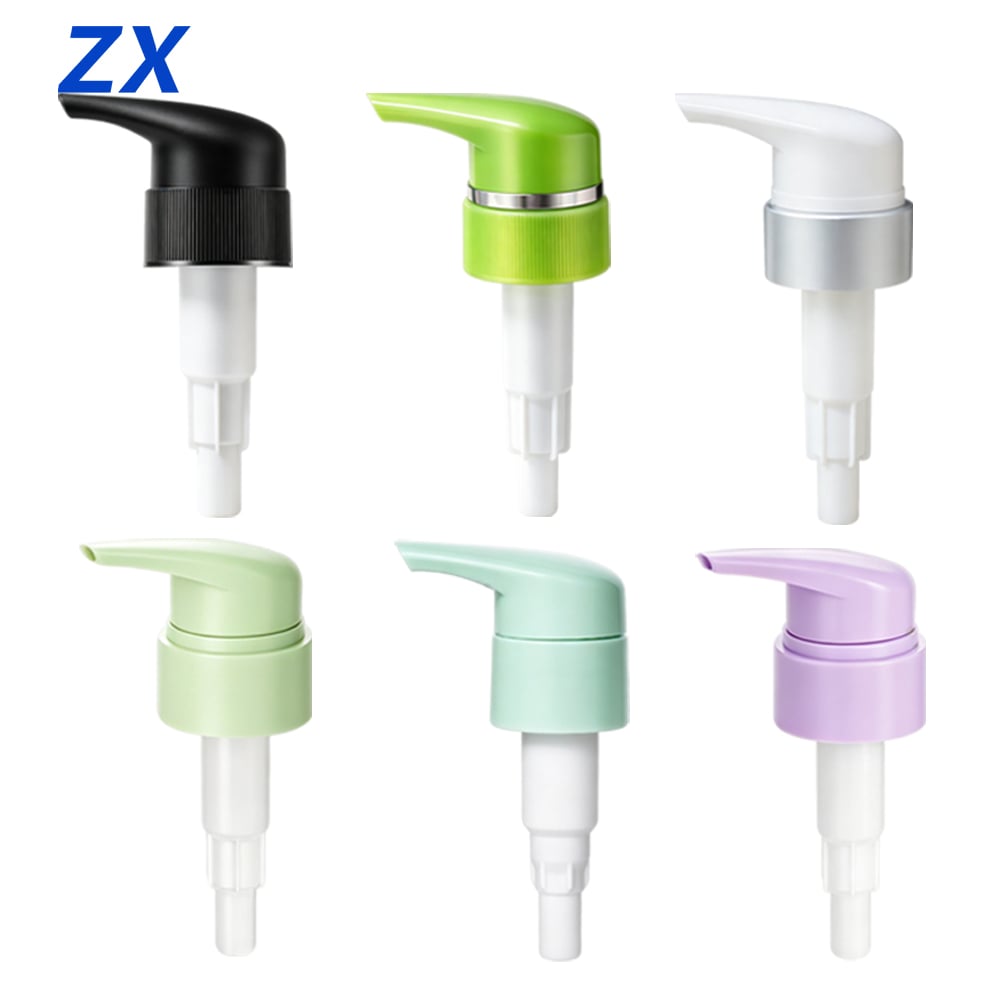
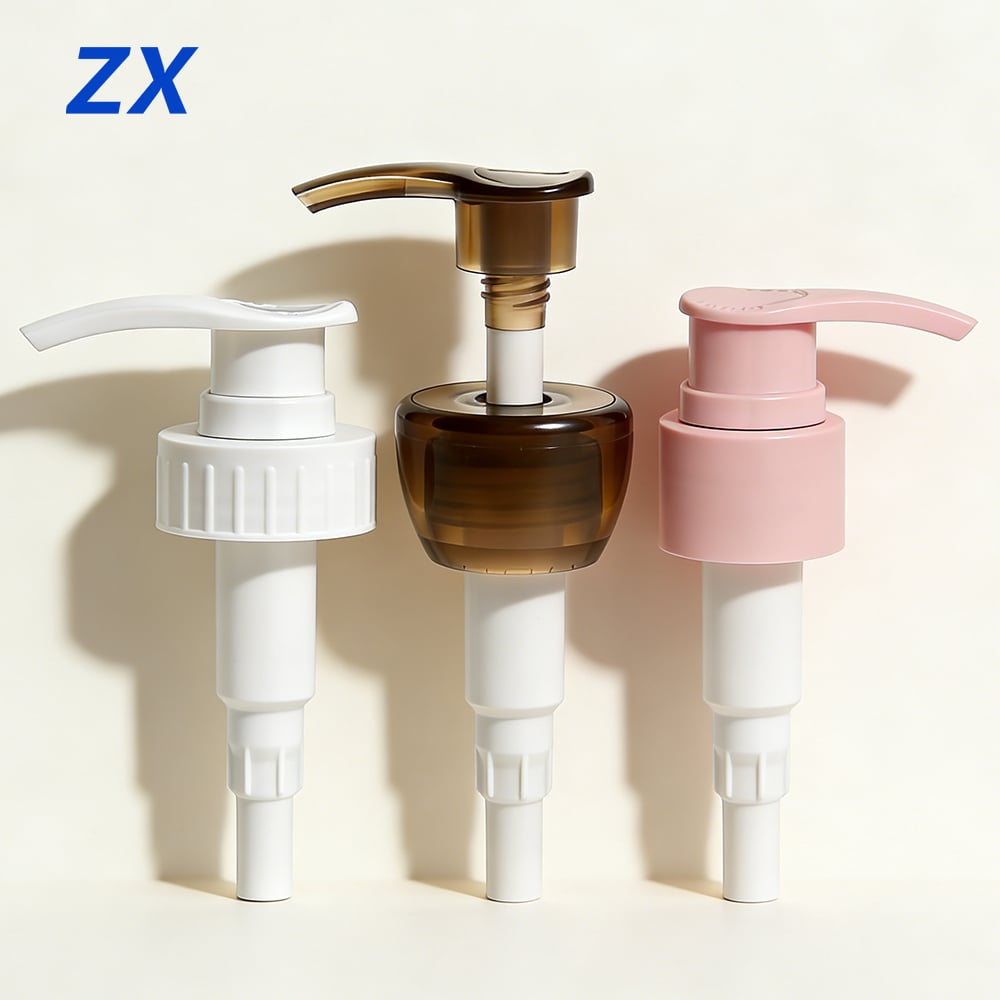
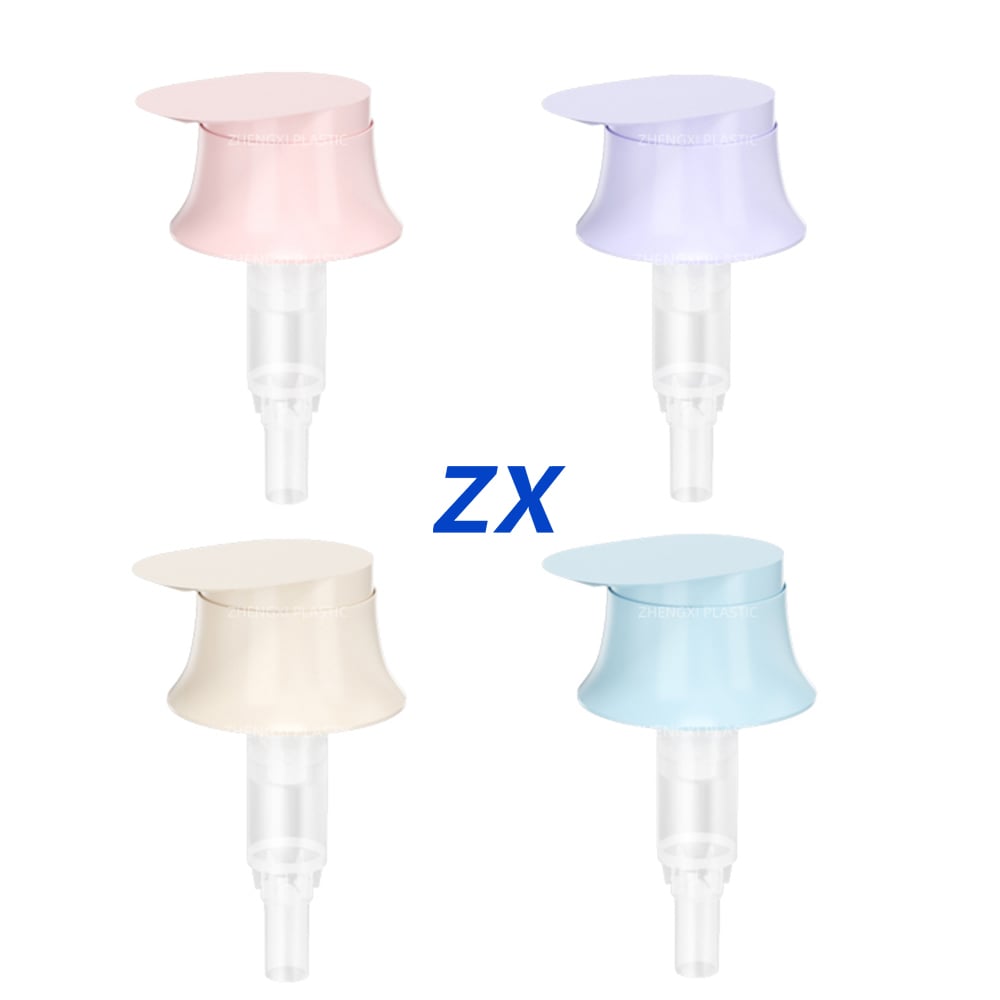
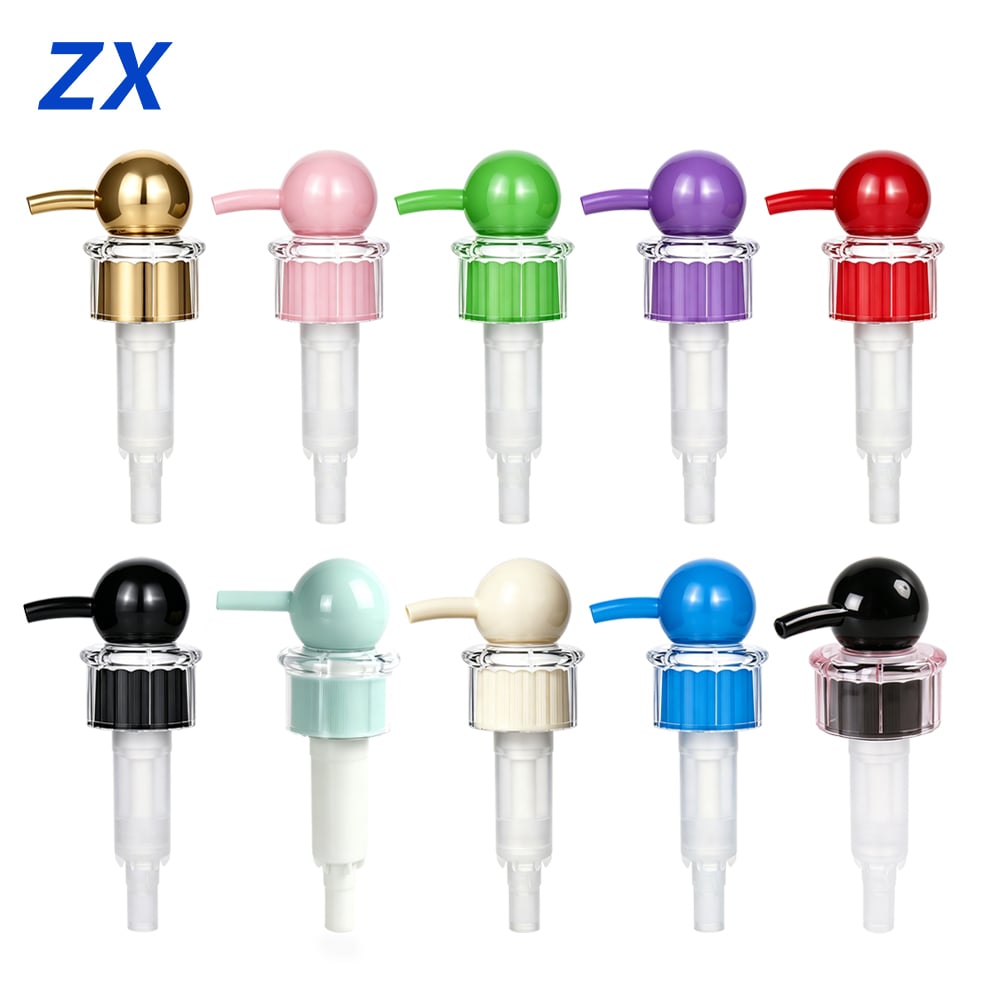
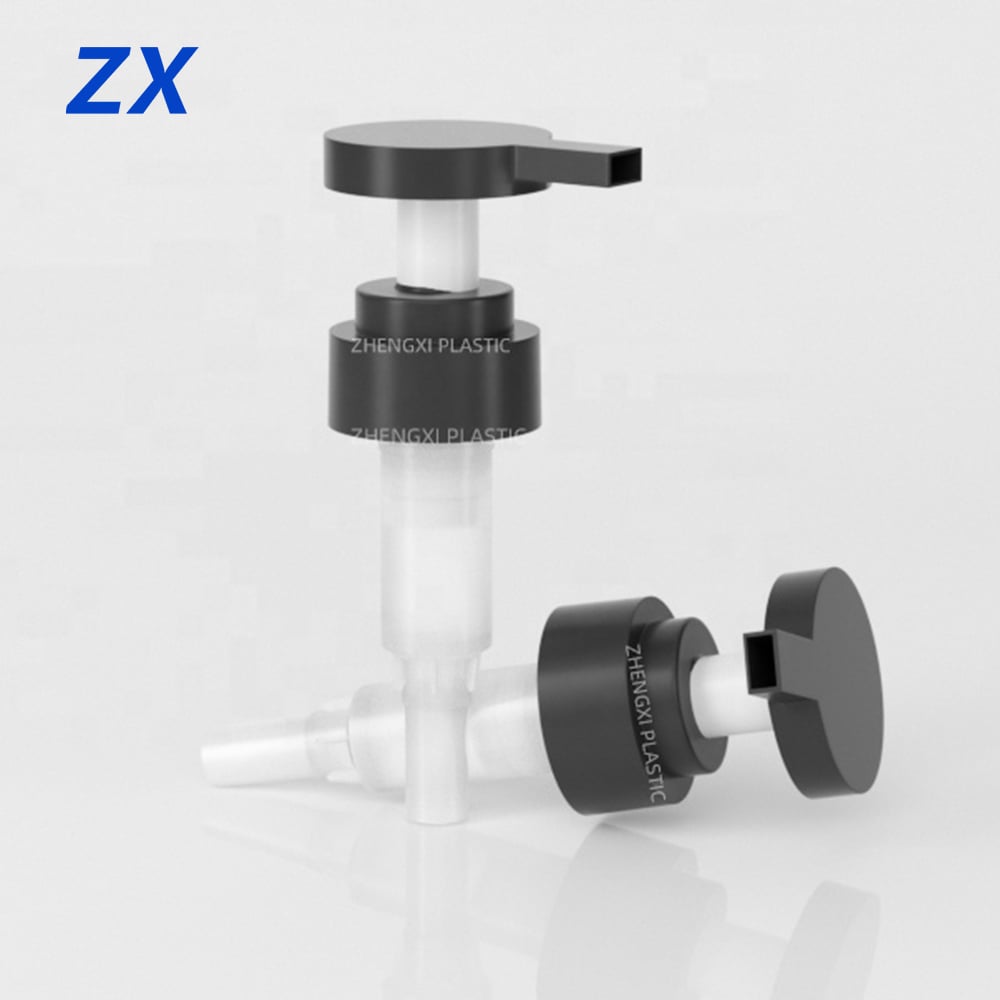
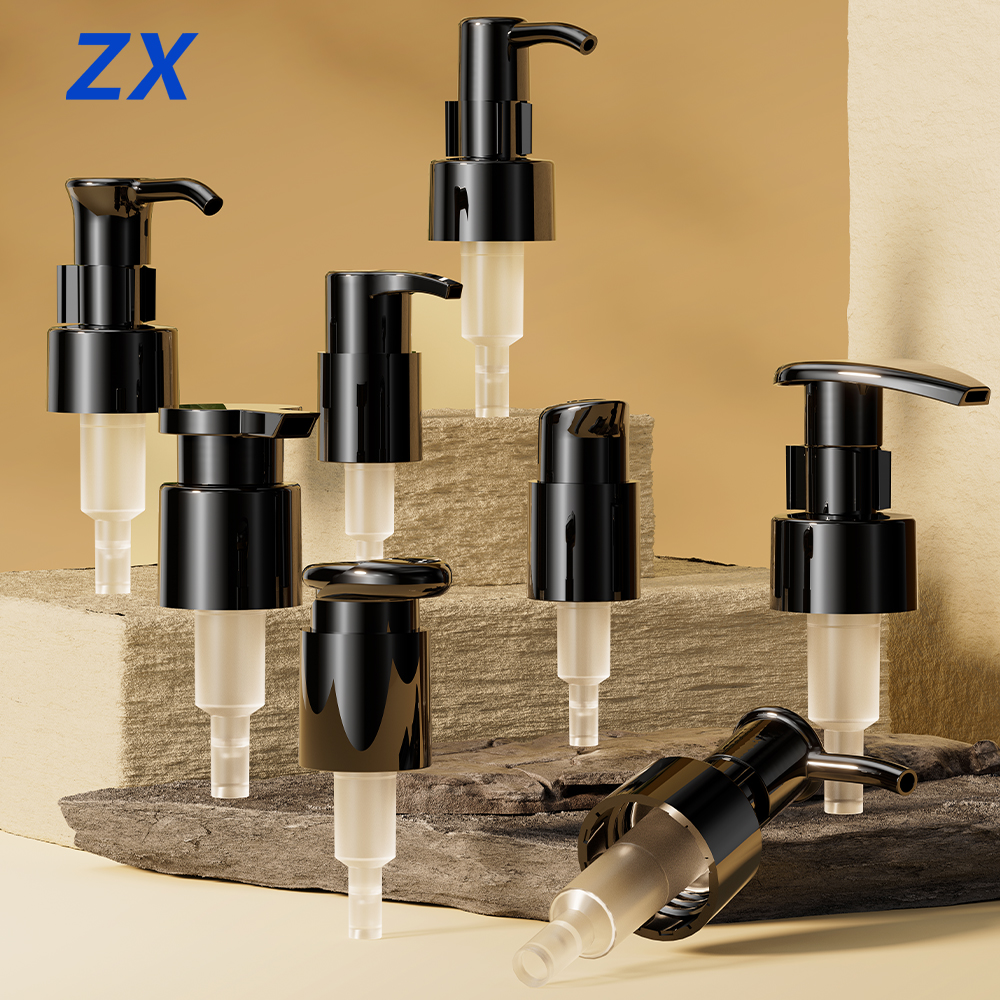
The performance of a lotion pump dispenser depends heavily on internal component design, and few elements are as critical as the dip tube diameter lotion pump specifications. Understanding how dip tube diameter lotion pump systems work is essential for formulators, manufacturers, and beauty product brands seeking to deliver consistent, reliable dispensing for thick serums and viscous formulations. The dip tube diameter lotion pump directly influences how product flows from the reservoir through the pump mechanism, affecting user experience, product waste, and overall satisfaction with the dispenser.
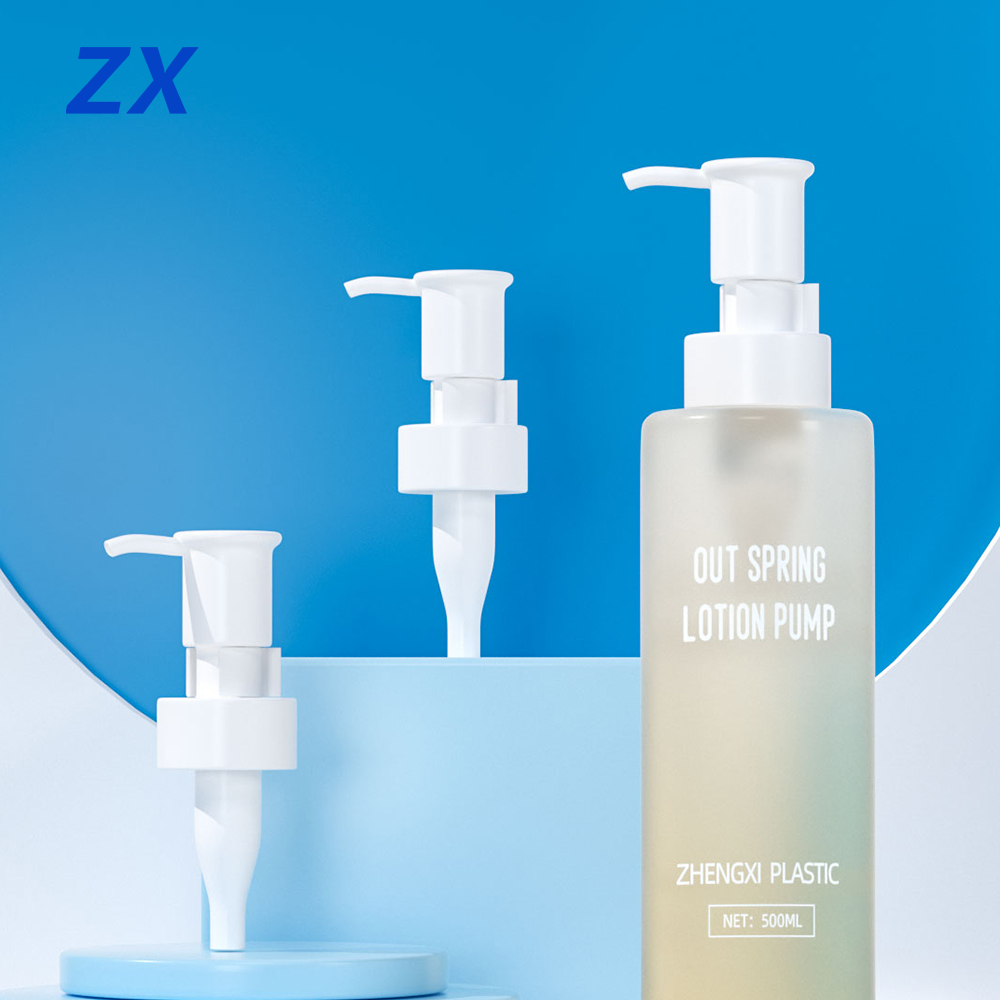
Selecting the right dip tube diameter lotion pump configuration requires balancing multiple factors including product viscosity, desired flow rate, pump pressure rating, and user effort expectations. A dip tube diameter lotion pump that is too narrow creates excessive back pressure and difficult dispensing, while one that is too wide may cause inconsistent spray patterns or product leakage. This article explores the engineering principles behind dip tube diameter lotion pump optimization and provides practical guidance for achieving the ideal balance for thick serums and specialty formulations.
The dip tube diameter lotion pump determines the internal passage through which product must travel from the container bottom to the pump chamber. This narrow channel acts as a critical restriction point in the overall flow path, directly impacting the pressure differential required to move the product. When formulating with thick serums, the dip tube diameter lotion pump becomes even more important because viscous products generate natural resistance to flow, and a properly sized dip tube diameter lotion pump must overcome this resistance without requiring excessive user force or mechanical strain on the pump mechanism.
Hydraulic principles dictate that flow rate through a cylindrical tube increases with the fourth power of the radius, meaning small changes in dip tube diameter lotion pump dimensions produce dramatic effects on volumetric throughput. A dip tube diameter lotion pump with 2mm internal diameter will have approximately one-sixteenth the flow capacity of a 4mm dip tube diameter lotion pump, assuming identical pressure and fluid properties. This mathematical relationship explains why precise dip tube diameter lotion pump selection is not a minor detail but a fundamental design parameter that separates functional dispensers from problematic ones.
The relationship between dip tube diameter lotion pump sizing and required pump pressure directly impacts how much force users must apply with each stroke. A dip tube diameter lotion pump that is undersized for the target formulation creates excessive back pressure, forcing users to pump harder and more frequently to deliver adequate product volume. This increased effort leads to user frustration, potential pump mechanism fatigue, and in some cases, premature dispenser failure. Conversely, an oversized dip tube diameter lotion pump may result in excessive product output per stroke, leading to waste and reduced perceived value of the product.
For thick serums specifically, the dip tube diameter lotion pump must be carefully engineered to deliver adequate volume without creating a product that feels impossible to dispense. Industry standards suggest that an optimal dip tube diameter lotion pump for thick formulations should require approximately 15 to 30 newtons of force per stroke, a range that feels natural and sustainable for repeated dispensing. Testing with your specific product formulation under realistic conditions is essential to validate that your chosen dip tube diameter lotion pump specification will meet customer expectations and deliver consistent performance throughout the product's shelf life.
Thick serums, typically formulated with viscosities ranging from 500 to 5000 centipoise or higher, present unique challenges for dip tube diameter lotion pump design. The dip tube diameter lotion pump must be sized generously enough to accommodate these high-viscosity products while maintaining reasonable dispensing pressure. Many manufacturers find that a dip tube diameter lotion pump with an internal diameter between 4mm and 6mm works well for serums in this viscosity range, though the optimal dip tube diameter lotion pump specification varies based on exact formulation, desired delivery volume, and pump mechanism design.
The dip tube diameter lotion pump interacts with formulation chemistry in subtle ways; products containing suspensions, emulsions, or particulate matter may experience partial settling within the dip tube diameter lotion pump passage itself, potentially creating localized viscosity changes. A properly selected dip tube diameter lotion pump should have sufficient diameter to allow particulates to pass without lodging, and sufficient length above the reservoir bottom to ensure consistent product pickup throughout the container's useful life. Testing your specific formulation through extended use cycles is recommended to ensure the dip tube diameter lotion pump remains clear and functional.
Establishing target flow rate performance begins with understanding your dip tube diameter lotion pump options and their theoretical capabilities. If your goal is to deliver 0.5ml per pump stroke with minimal user effort, you can work backward to determine the required dip tube diameter lotion pump specification by accounting for pump mechanism efficiency, pressure rating, and formulation viscosity. The dip tube diameter lotion pump diameter alone does not determine flow rate; it works in concert with pump displacement volume, spring tension, and valve design to produce the final output.
For production quality control, establish measurable dip tube diameter lotion pump performance benchmarks early in product development. Measure actual dispensed volume across multiple pump cycles, record required actuation force, and verify consistency over time as the product is stored under various temperature conditions. A dip tube diameter lotion pump that performs optimally at room temperature might behave differently when chilled or warmed, and this variability should inform your final dip tube diameter lotion pump specification choice. dip tube diameter lotion pump designs specifically engineered for viscous products often include internal features that optimize flow characteristics beyond simple tube diameter.
The dip tube diameter lotion pump material choice influences how well the design performs over extended product contact periods. Polypropylene and polyethylene remain standard materials for dip tube diameter lotion pump applications due to their chemical compatibility with most cosmetic formulations, excellent cost efficiency, and proven reliability. The dip tube diameter lotion pump must resist swelling, softening, or degradation from prolonged contact with preservatives, alcohols, essential oils, and other active ingredients in serums. Specification of the dip tube diameter lotion pump should include material grade confirmation and compatibility testing with your finished formulation.
Manufacturing tolerance becomes critical when specifying dip tube diameter lotion pump dimensions, as even small variations create significant flow rate changes due to the fourth-power relationship in fluid dynamics. Requiring tight tolerances on the dip tube diameter lotion pump inner diameter, wall thickness, and length ensures batch-to-batch consistency and predictable product performance. Many manufacturers specify dip tube diameter lotion pump tolerances within ±0.1mm to maintain acceptable flow rate variation across production runs, adding to manufacturing cost but delivering superior customer experience and reduced returns.
The dip tube diameter lotion pump cannot be optimized in isolation; it must work harmoniously with the pump chamber volume, valve sizing, spring characteristics, and discharge nozzle design. A dip tube diameter lotion pump that is perfectly sized for flow rate but poorly integrated with a restrictive discharge nozzle will still create dispensing problems. Similarly, mismatching the dip tube diameter lotion pump with an oversized pump chamber will require multiple strokes to fill the chamber, reducing perceived delivery per pump action. Comprehensive system testing that evaluates the complete dispenser assembly is essential before finalizing your dip tube diameter lotion pump specification.
Quality assurance protocols should verify that your selected dip tube diameter lotion pump dimensions remain consistent throughout the dispenser's functional life. Conduct accelerated stability testing that simulates extended storage, multiple freeze-thaw cycles, and temperature extremes to confirm the dip tube diameter lotion pump maintains its original dimensions and flow characteristics. This proactive approach prevents market complaints and costly recalls resulting from dip tube diameter lotion pump failure or dimensional drift during shelf storage.
There is no single universal standard, as dip tube diameter lotion pump requirements vary by formulation viscosity, desired delivery volume, and pump mechanism design. However, for thick serums with viscosities above 1000 centipoise, industry practice typically employs dip tube diameter lotion pump inner diameters between 4mm and 6mm. Testing with your specific formulation is essential to determine the optimal dip tube diameter lotion pump specification for your application, as formulation chemistry, temperature stability, and user expectations all influence the best choice.
If users report excessive pump effort, incomplete dispensing, or the dip tube diameter lotion pump requires multiple strokes to deliver expected volume, the dip tube diameter lotion pump is likely too small. Additionally, if the dip tube diameter lotion pump allows very little airflow back into the container as product is removed, you may observe container collapse or difficult pumping. These symptoms indicate the dip tube diameter lotion pump creates excessive flow restriction, and upsizing to the next available dip tube diameter lotion pump dimension should be evaluated during product development.
Yes, an oversized dip tube diameter lotion pump can lead to inconsistent dispensing, excessive product output per stroke, and waste. Additionally, a dip tube diameter lotion pump that is too large may allow sediment or particulate matter in thick serums to enter the pump chamber, creating clogging or performance degradation over time. The optimal dip tube diameter lotion pump balances ease of dispensing with precise delivery control, preventing both excessive user effort and uncontrolled product flow.
 Hot News
2026-09-15
2026-09-08
2026-09-01
2026-08-18
2026-08-13
2026-08-11
 EN
EN