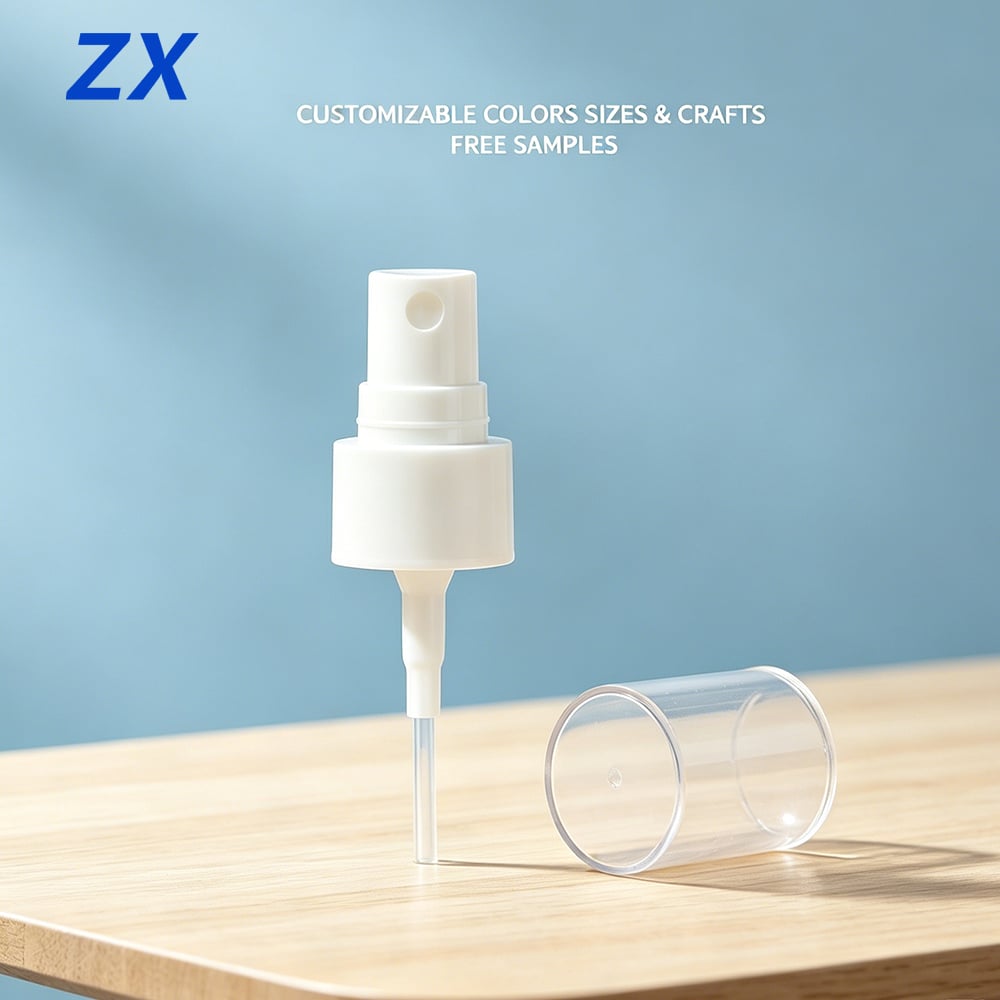
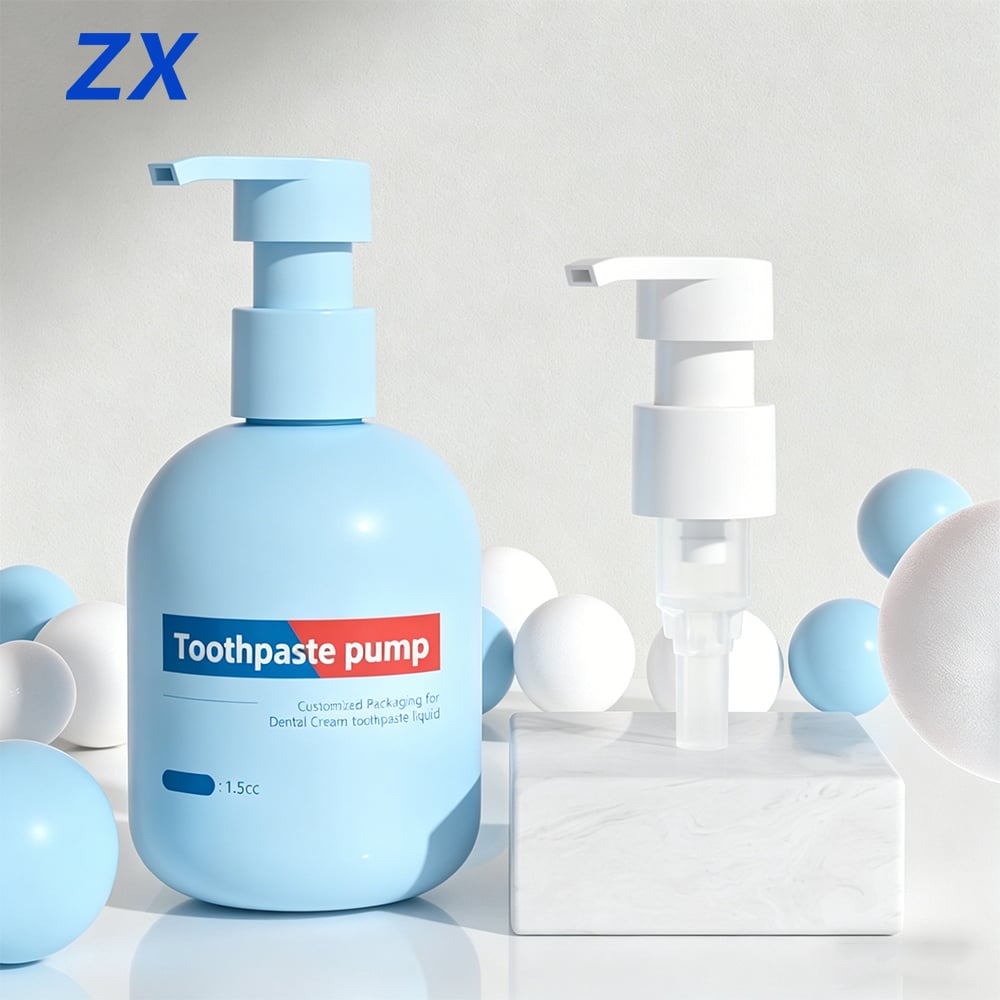
Customizing a treatment pump with child-resistant lock features is essential for brands that prioritize consumer safety and regulatory compliance. Whether you manufacture hand sanitizers, liquid soaps, or pharmaceutical treatments, integrating a child-resistant mechanism into your treatment pump with child-resistant lock design ensures that hazardous liquids remain inaccessible to young children. This customization process involves selecting the right locking mechanism, understanding compliance standards, and working closely with experienced pump manufacturers to achieve a balance between safety, usability, and aesthetic appeal. A well-designed treatment pump with child-resistant lock not only protects vulnerable users but also enhances brand credibility in competitive markets.
The customization journey begins with understanding the specific safety requirements of your product category and target market. Regulatory bodies such as the Consumer Product Safety Commission and international standards organizations mandate rigorous testing for child-resistant packaging. A customized treatment pump with child-resistant lock must meet these testing protocols while maintaining ease of use for adults. This dual requirement shapes every decision in the design process, from the actuation force needed to dispense product to the complexity of the unlocking sequence. By addressing these considerations early, brands can streamline production timelines and avoid costly redesigns.
A treatment pump with child-resistant lock relies on mechanical complexity that challenges young children while remaining intuitive for adults. Common mechanisms include push-and-turn caps, squeeze-and-lift actuators, and dual-action triggers that require simultaneous movements. The effectiveness of a treatment pump with child-resistant lock depends on the ergonomic design that leverages the physical and cognitive limitations of children under five years old. Manufacturers often incorporate features such as recessed buttons, hidden release tabs, or multi-step sequences that require fine motor skills beyond a child's developmental stage. Each treatment pump with child-resistant lock design must undergo rigorous testing with child panels to verify that at least 85 percent of children cannot operate the device within a five-minute testing period.
The materials used in a treatment pump with child-resistant lock directly impact both safety performance and long-term durability. Polycarbonate and polypropylene are popular choices due to their strength, chemical resistance, and ability to withstand repeated actuation cycles without degradation. A treatment pump with child-resistant lock must maintain its locking integrity even after thousands of uses, ensuring that the safety mechanism does not wear down or become easier to defeat over time. Manufacturers conduct accelerated aging tests and chemical compatibility studies to confirm that the treatment pump with child-resistant lock performs reliably across the product's shelf life. Material transparency, color consistency, and surface finish also play roles in consumer perception and brand alignment.
Compliance with child-resistant packaging standards is non-negotiable for products containing hazardous substances. In the United States, the Poison Prevention Packaging Act establishes protocols for testing and certifying child-resistant devices, including any treatment pump with child-resistant lock intended for consumer use. International markets impose similar requirements, with standards such as ISO 8317 guiding design and testing procedures. A compliant treatment pump with child-resistant lock must pass both child-resistance tests and senior-friendliness evaluations, ensuring that at least 90 percent of adults aged 50 to 70 can open and properly reclose the package. These dual requirements necessitate careful calibration of actuation forces and locking mechanisms.
Obtaining certification for a treatment pump with child-resistant lock involves submitting samples to accredited testing laboratories where panels of children and adults attempt to open the devices under controlled conditions. The treatment pump with child-resistant lock is evaluated based on opening success rates, time to defeat, and ease of reclosure. Test administrators observe and document each attempt, identifying any design weaknesses that could compromise safety. A treatment pump with child-resistant lock that fails initial testing requires design modifications and retesting, which can extend product launch timelines. Working with experienced pump manufacturers who understand these protocols can expedite the certification process and reduce the risk of non-compliance.
Successful customization of a treatment pump with child-resistant lock begins with clear communication of functional and aesthetic requirements. Brands must specify the desired dosage per actuation, the viscosity range of the product, the preferred locking mechanism, and any branding elements such as logo placement or color matching. A detailed specification sheet for a treatment pump with child-resistant lock should include technical drawings, material preferences, and performance benchmarks such as minimum actuation cycles and maximum dispensing variance. Manufacturers use these specifications to develop prototypes and conduct feasibility assessments, identifying potential challenges related to mold design, assembly complexity, or cost constraints.
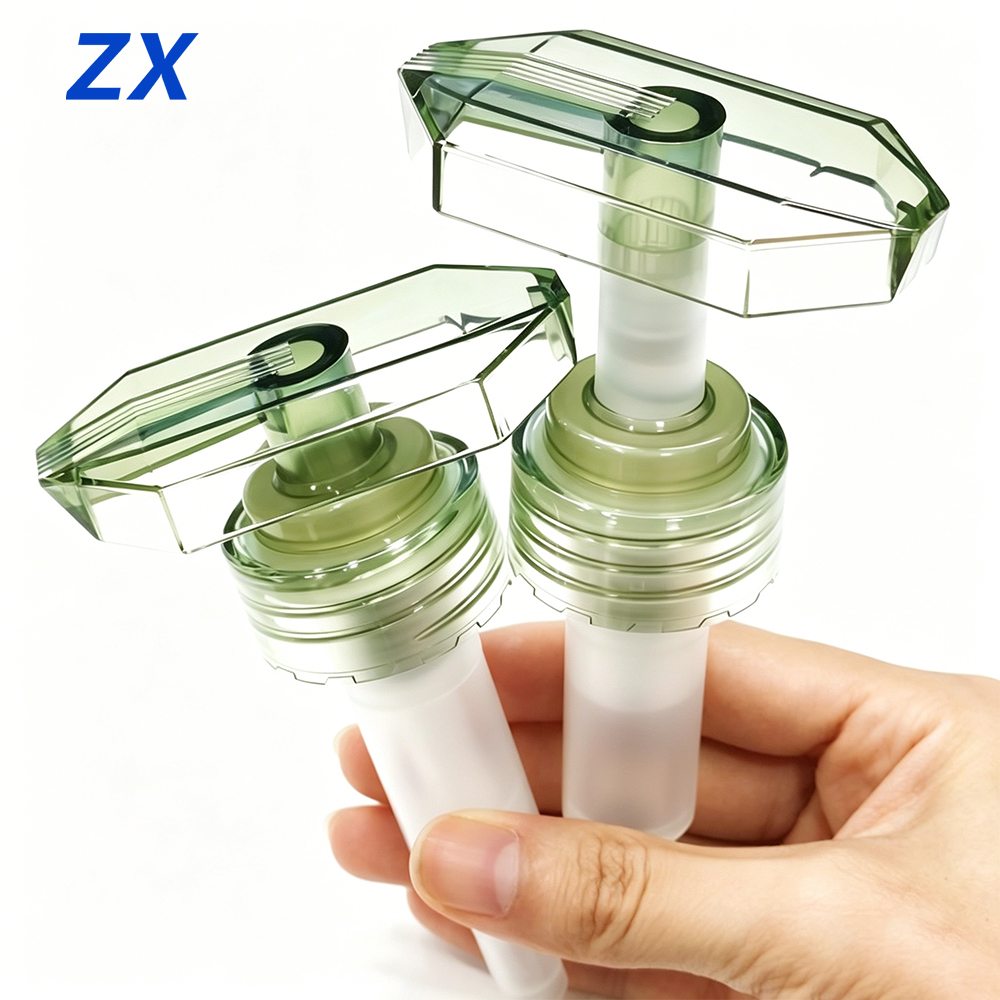
The development of a treatment pump with child-resistant lock typically involves multiple prototype iterations to optimize performance and compliance. Initial prototypes allow brands to evaluate the tactile experience, visual appeal, and functional reliability of the treatment pump with child-resistant lock. Feedback from these evaluations informs design adjustments such as modifying the locking cam geometry, adjusting spring tension, or refining the actuator button shape. Iterative testing of each treatment pump with child-resistant lock prototype ensures that the final design meets all safety standards while delivering a premium user experience. Manufacturers with in-house testing capabilities can accelerate this process by conducting preliminary child-resistance assessments before formal third-party certification.
Transitioning a treatment pump with child-resistant lock from prototype to mass production requires careful attention to tooling precision, quality control systems, and supply chain logistics. Injection molding tools for a treatment pump with child-resistant lock must be engineered to tight tolerances to ensure consistent locking performance across millions of units. Manufacturers implement statistical process controls and automated inspection systems to detect any deviations in critical dimensions or assembly alignment. A treatment pump with child-resistant lock produced at scale should exhibit the same safety performance and aesthetic quality as the approved prototype. Establishing clear communication channels and quality benchmarks with your manufacturing partner minimizes the risk of production delays or post-launch issues.
The recommended actuation force for a treatment pump with child-resistant lock typically ranges from 3 to 8 pounds, depending on the specific mechanism and regulatory requirements. This force must be high enough to prevent children from easily operating the treatment pump with child-resistant lock, yet low enough for adults with reduced hand strength to use comfortably. Testing with senior adult panels helps validate that the treatment pump with child-resistant lock meets senior-friendliness standards while maintaining child resistance. Manufacturers often conduct force analysis studies to optimize spring rates and cam angles for the ideal balance.
Certification timelines for a treatment pump with child-resistant lock vary based on testing lab availability, design complexity, and initial test results. On average, the process takes 6 to 12 weeks from sample submission to final certification, assuming the treatment pump with child-resistant lock passes on the first attempt. Designs that require modifications and retesting can extend this timeline by several additional weeks. Working with manufacturers experienced in child-resistant packaging can help streamline the process and reduce the likelihood of initial test failures for your treatment pump with child-resistant lock.
Yes, a treatment pump with child-resistant lock can be extensively customized with branding elements including logo embossing, custom color matching, metallic finishes, and decorative caps. These aesthetic customizations do not compromise the safety functionality of the treatment pump with child-resistant lock when properly integrated into the design. Manufacturers use techniques such as pad printing, hot stamping, and multi-shot molding to apply branding while maintaining the structural integrity and locking performance of the treatment pump with child-resistant lock. Early collaboration with your manufacturer ensures that branding elements are incorporated without interfering with regulatory compliance.
 Hot News
2026-09-15
2026-09-08
2026-09-01
2026-08-18
2026-08-13
2026-08-11
 EN
EN