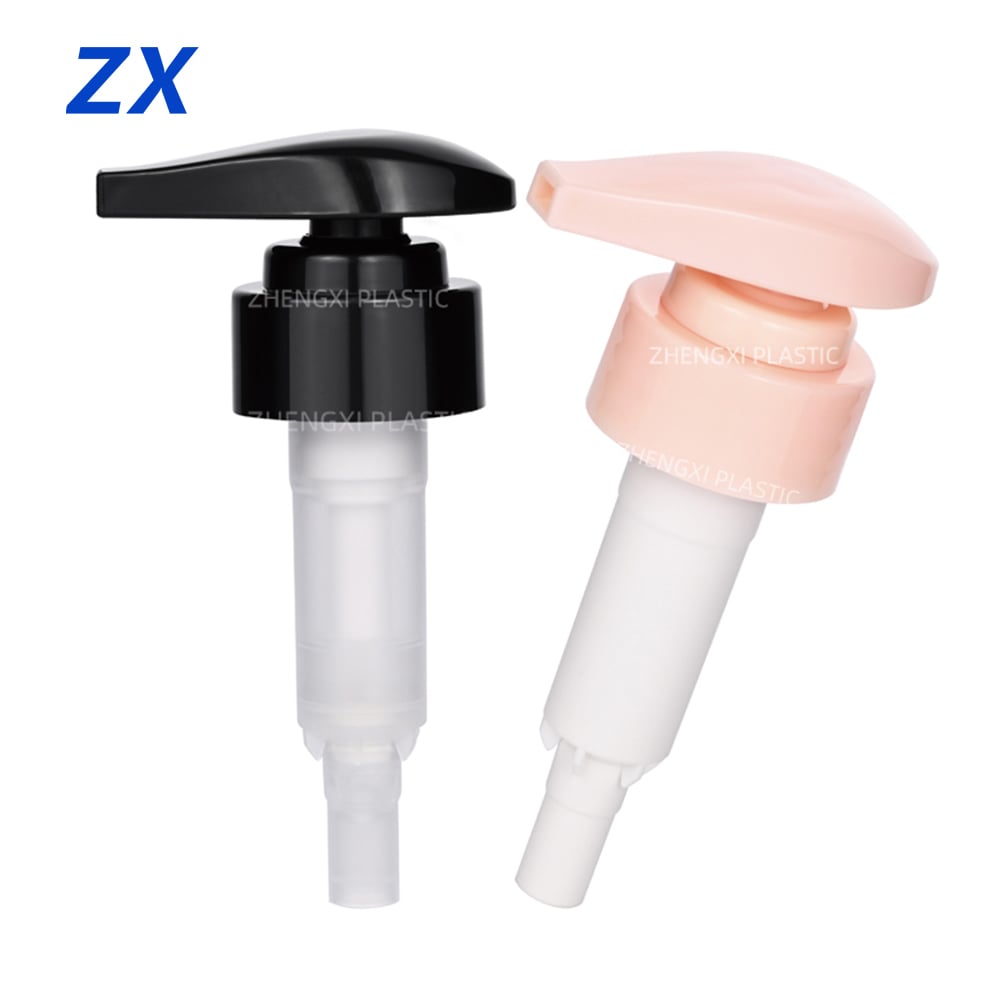
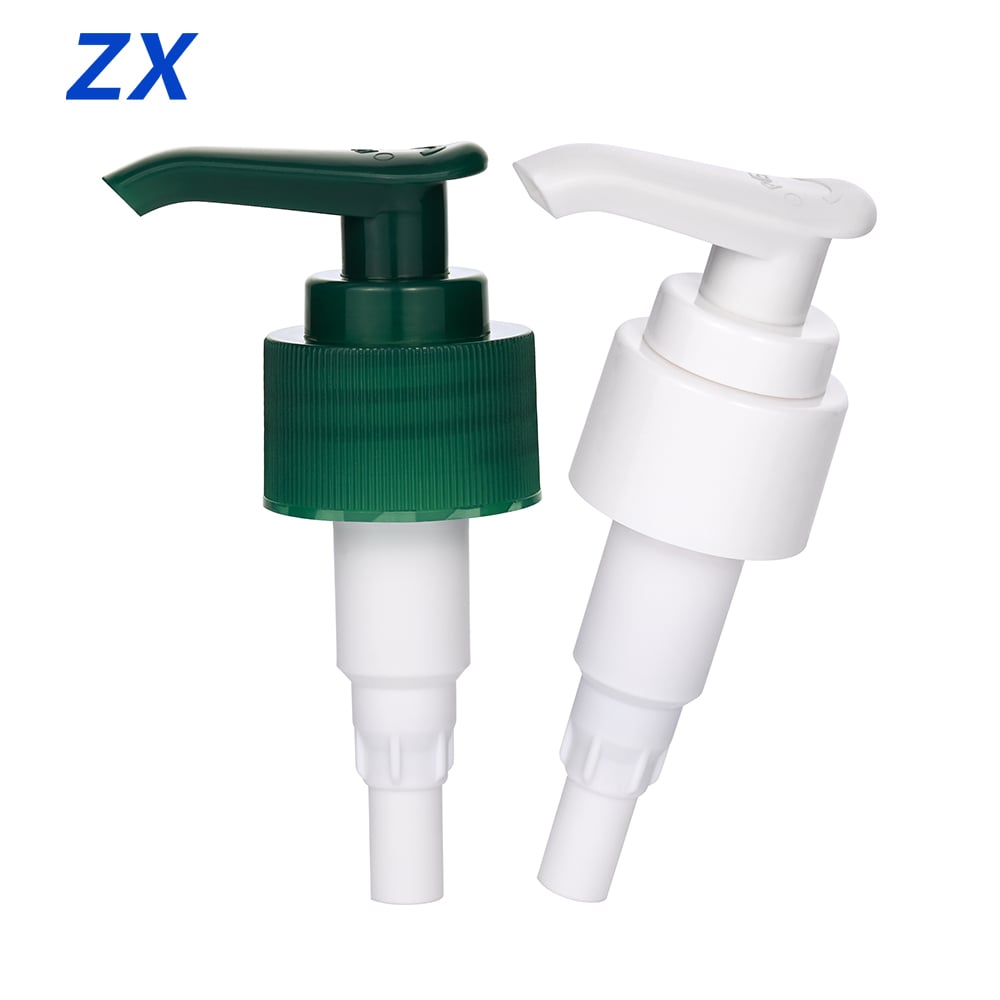
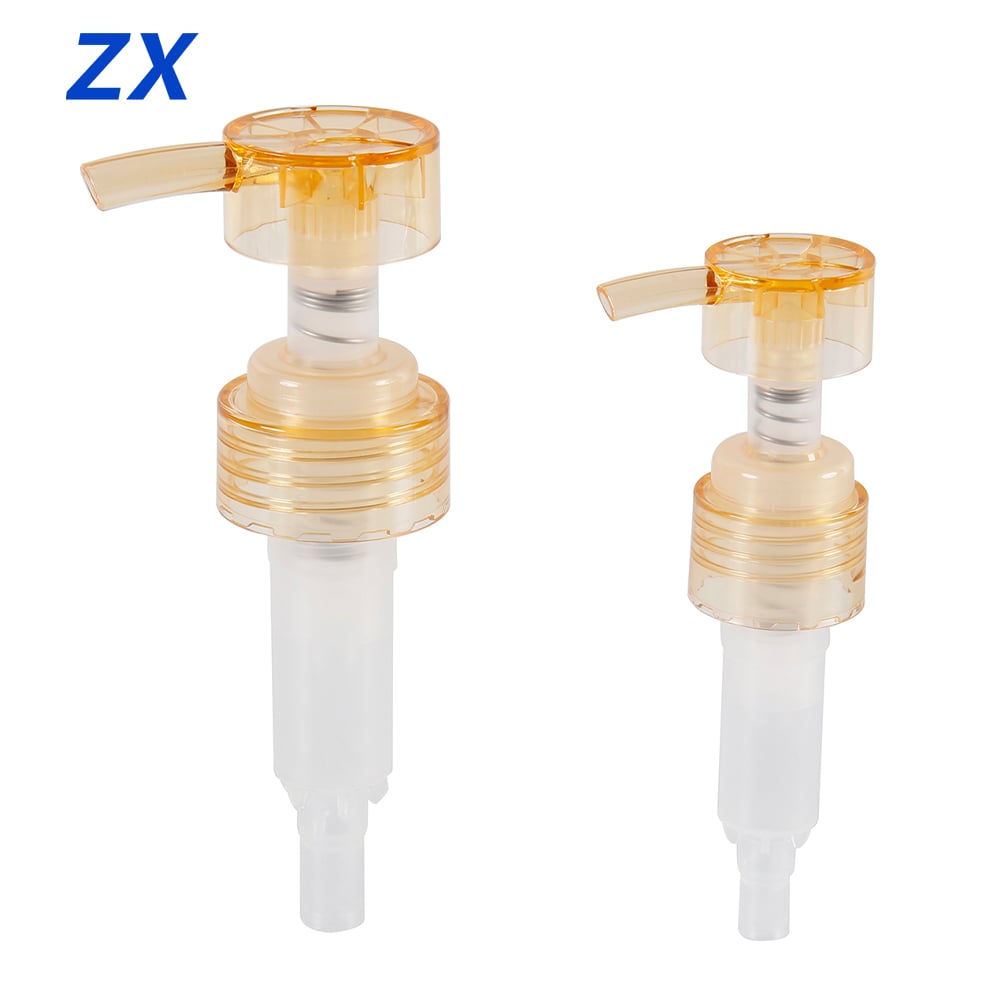
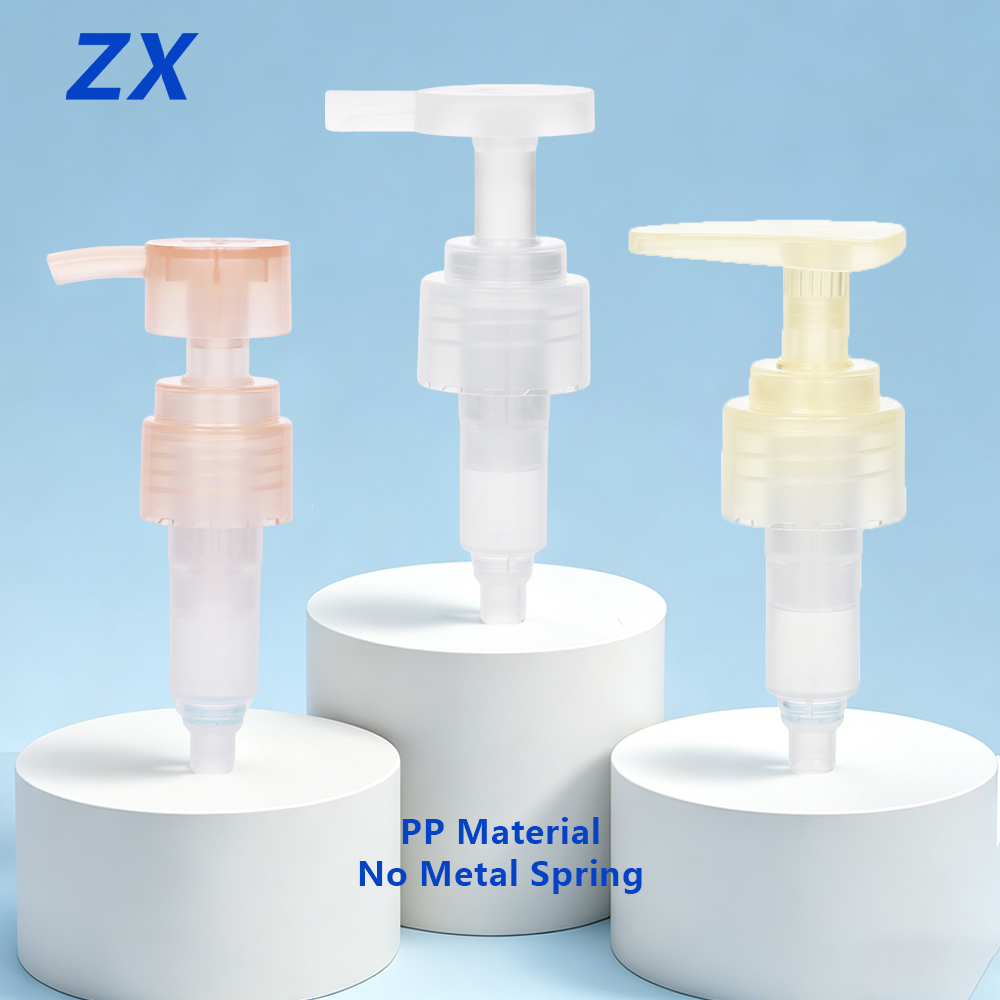
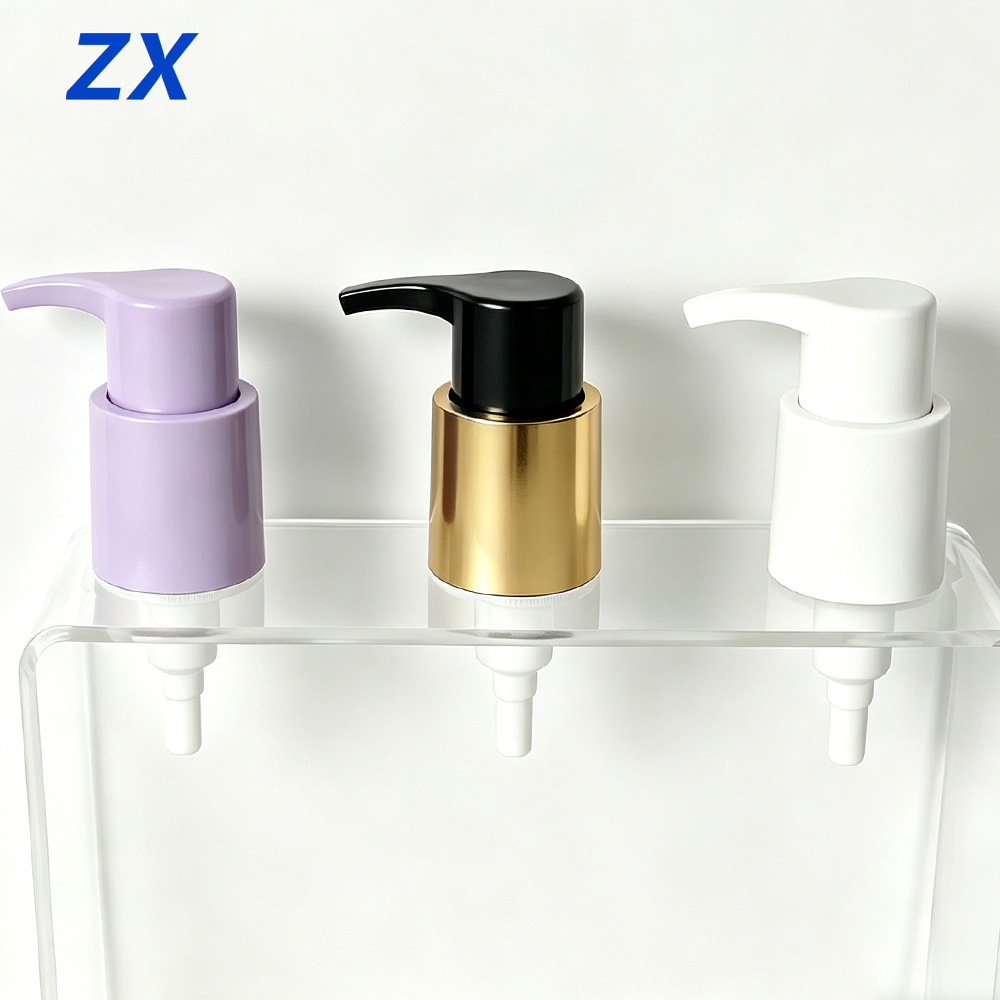
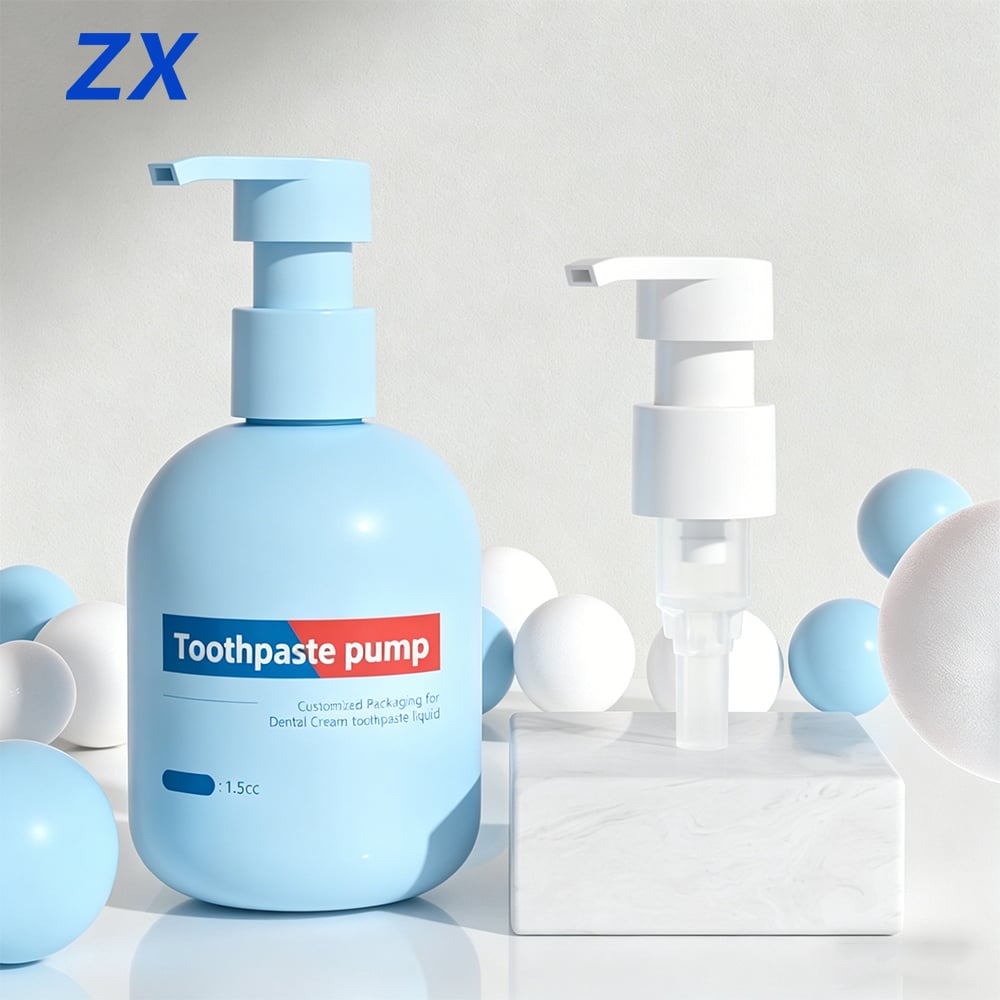
Selecting the right lotion dispensing pumps for bottles requires careful evaluation of multiple technical and operational factors that directly impact product performance, user experience, and brand reputation. Whether you are packaging skincare formulations, body lotions, hand soaps, or pharmaceutical creams, the dispensing mechanism serves as the critical interface between your product and the end user. Poor pump selection can lead to product waste, inconsistent dosage delivery, leakage issues, and ultimately customer dissatisfaction. Understanding what to consider when purchasing lotion dispensing pumps ensures that your packaging solution aligns with your product viscosity, container design, regulatory requirements, and market positioning.
The process of evaluating lotion dispensing pumps involves analyzing material composition, closure compatibility, pump output specifications, spring mechanism reliability, and overall cost-effectiveness. Each of these elements plays a distinct role in determining whether the pump will function reliably throughout the product lifecycle. From the initial priming action to the final dispense, every component within lotion dispensing pumps must work in harmony to deliver consistent performance. This guide examines the essential considerations that purchasing managers, product developers, and packaging engineers should prioritize when sourcing lotion dispensing pumps for commercial bottle applications.
The material composition of lotion dispensing pumps determines their resistance to chemical degradation, temperature fluctuations, and mechanical stress during repeated actuation cycles. Most lotion dispensing pumps utilize polypropylene for pump bodies and actuators due to its excellent chemical resistance, dimensional stability, and cost efficiency. However, products containing essential oils, alcohols, or acidic ingredients may require alternative materials or specialized coatings to prevent material breakdown. When evaluating lotion dispensing pumps, verify that the polymer grade meets FDA or EU compliance standards for direct contact with cosmetic or pharmaceutical formulations.
The internal spring mechanism within lotion dispensing pumps must maintain consistent tension throughout thousands of actuation cycles without corroding or losing elasticity. Stainless steel springs offer superior corrosion resistance compared to carbon steel alternatives, particularly when lotion dispensing pumps are used with water-based formulations that create humid internal environments. External spring designs provide additional protection by isolating the spring from direct product contact, extending the operational lifespan of lotion dispensing pumps. Always confirm whether the spring material is suitable for your specific product chemistry to avoid premature pump failure or product contamination.
Lotion dispensing pumps are manufactured with specific output volumes ranging from 0.5ml to 4ml per stroke, with common sizes including 1ml, 1.5ml, 2ml, and 3ml dosages. The appropriate output volume for your lotion dispensing pumps depends on product viscosity, recommended usage amount, and consumer convenience expectations. Thicker body butters and dense creams require lotion dispensing pumps with larger piston chambers and stronger springs to generate sufficient displacement force. Conversely, lightweight serums and liquid soaps function optimally with lower-output lotion dispensing pumps that prevent over-dispensing and product waste.
Not all lotion dispensing pumps handle high-viscosity formulations effectively, as thick products create additional resistance against piston movement and dip tube suction. When purchasing lotion dispensing pumps for viscous lotions exceeding 50,000 centipoise, prioritize models with reinforced actuator designs, wider dip tube diameters, and enhanced spring mechanisms. Some specialized lotion dispensing pumps incorporate airless technology or positive displacement systems that maintain consistent output regardless of viscosity changes due to temperature or formulation settling. Testing lotion dispensing pumps with your actual product formulation under various temperature conditions ensures reliable performance across diverse environmental scenarios.
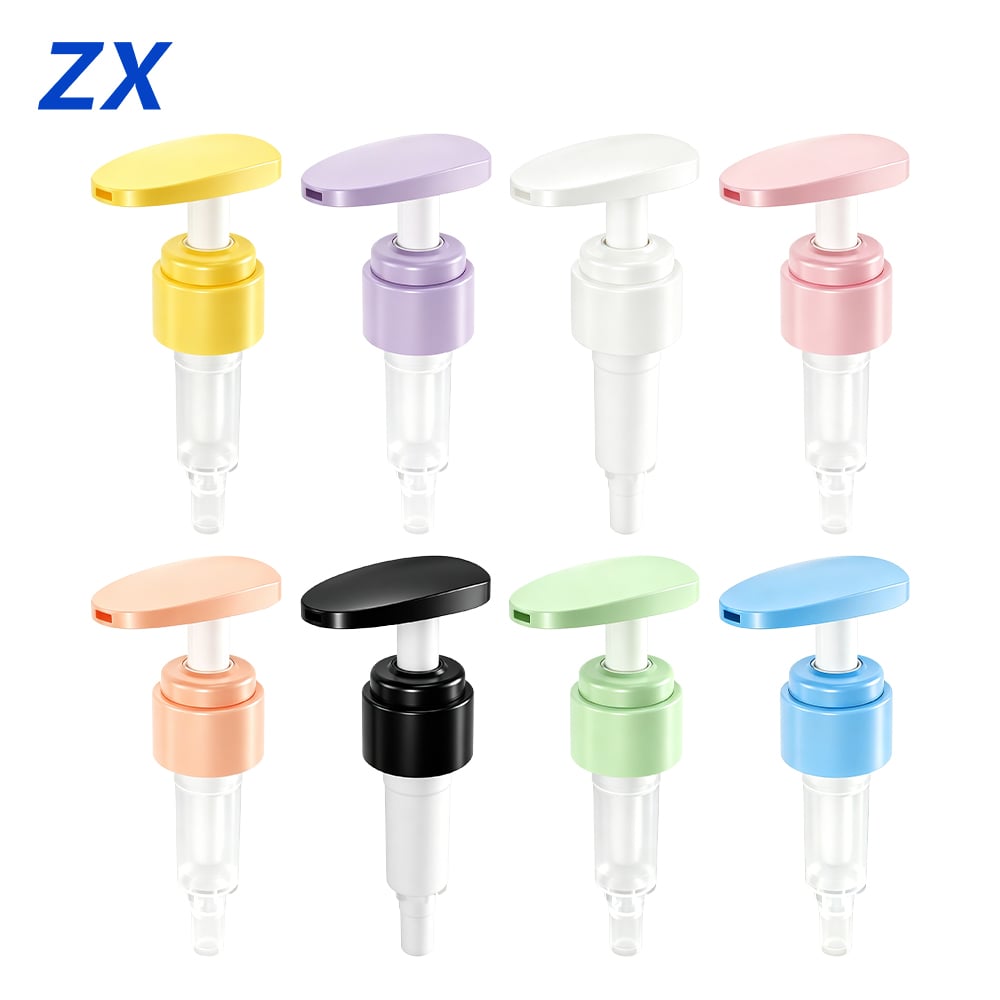
The neck finish specification of your bottle directly determines which lotion dispensing pumps can achieve proper fitment and seal integrity. Common neck finishes for lotion bottles include 18/410, 20/410, 24/410, and 28/410 designations, where the first number indicates the outer diameter in millimeters and the second represents the finish style. Mismatched lotion dispensing pumps and bottle necks result in cross-threading, insufficient engagement, and potential leakage during shipping or use. When sourcing lotion dispensing pumps, obtain detailed technical drawings that specify thread pitch, height, and diameter to ensure perfect alignment with your existing or planned bottle inventory.
Effective sealing mechanisms within lotion dispensing pumps prevent product leakage during transportation, storage, and consumer use while maintaining formulation integrity against contamination. Quality lotion dispensing pumps incorporate multiple gasket points including closure gaskets, piston seals, and actuator interfaces that create hermetic barriers against air ingress and product egress. No-leak designs feature specialized gasket profiles and tighter manufacturing tolerances that eliminate common failure points. Request leak-test data from suppliers showing performance under pressure differential and inverted storage conditions to validate the reliability of candidate lotion dispensing pumps before committing to large production orders.
The per-unit cost of lotion dispensing pumps varies significantly based on order quantity, material specifications, and customization requirements. Standard lotion dispensing pumps in common neck finishes typically range from 0.08 to 0.35 USD per unit at production volumes, while specialized designs with premium materials or custom colors command higher pricing. When budgeting for lotion dispensing pumps, consider the total landed cost including tooling fees for custom molds, decoration costs for branding, and freight expenses for international shipments. Establishing relationships with qualified suppliers who offer flexible minimum order quantities enables testing of lotion dispensing pumps across multiple product lines without excessive inventory commitments.
Rigorous supplier qualification processes protect against substandard lotion dispensing pumps that may compromise product quality and brand reputation. Reputable manufacturers of lotion dispensing pumps maintain ISO 9001 certification, operate cleanroom production environments, and implement statistical process control for critical dimensions and functional parameters. Request certificates of analysis, functional test reports, and material safety data sheets for lotion dispensing pumps under evaluation. Conducting on-site factory audits provides direct observation of manufacturing processes, quality control protocols, and raw material verification procedures that govern lotion dispensing pumps production. Establishing clear acceptance criteria for dimensional tolerances, actuation force, and output consistency ensures that delivered lotion dispensing pumps meet your technical specifications.
Quality lotion dispensing pumps are engineered to perform reliably through 30,000 to 50,000 actuation cycles, which translates to complete product dispensing for most consumer-sized bottles. The actual lifespan of lotion dispensing pumps depends on material quality, spring design, product chemistry, and storage conditions. Premium lotion dispensing pumps with stainless steel springs and high-grade polymers may exceed 75,000 cycles, while budget alternatives might experience reduced performance after 20,000 actuations. Always request cycle-test data from suppliers and conduct validation testing with your specific formulation to confirm that lotion dispensing pumps will maintain consistent output throughout the expected product shelf life.
Most manufacturers offer extensive customization options for lotion dispensing pumps including color matching, logo embossing, metallized finishes, and unique actuator shapes. Customized lotion dispensing pumps typically require tooling investments ranging from 500 to 5,000 USD depending on complexity and minimum order quantities starting at 10,000 to 50,000 units. Standard lotion dispensing pumps in common colors like white, black, and natural can often be decorated through pad printing or hot stamping at lower volumes. When planning customized lotion dispensing pumps, factor in lead times of 45 to 90 days for tooling development and initial production runs to ensure alignment with product launch schedules.
Selecting the optimal output volume for lotion dispensing pumps requires analyzing recommended usage amounts, product viscosity, and consumer convenience preferences. For facial lotions and serums, lotion dispensing pumps with 0.5ml to 1ml output prevent over-application and extend product longevity. Body lotions and hand creams typically function best with lotion dispensing pumps delivering 1.5ml to 2ml per stroke, providing sufficient coverage without requiring multiple pumps. Heavy body butters and thick creams may need lotion dispensing pumps with 3ml to 4ml output to dispense viscous formulations effectively. Conduct consumer testing with multiple output volumes to identify which lotion dispensing pumps configuration optimizes user experience while controlling product usage rates and perceived value.
 Hot News
2026-09-15
2026-09-08
2026-09-01
2026-08-18
2026-08-13
2026-08-11
 EN
EN