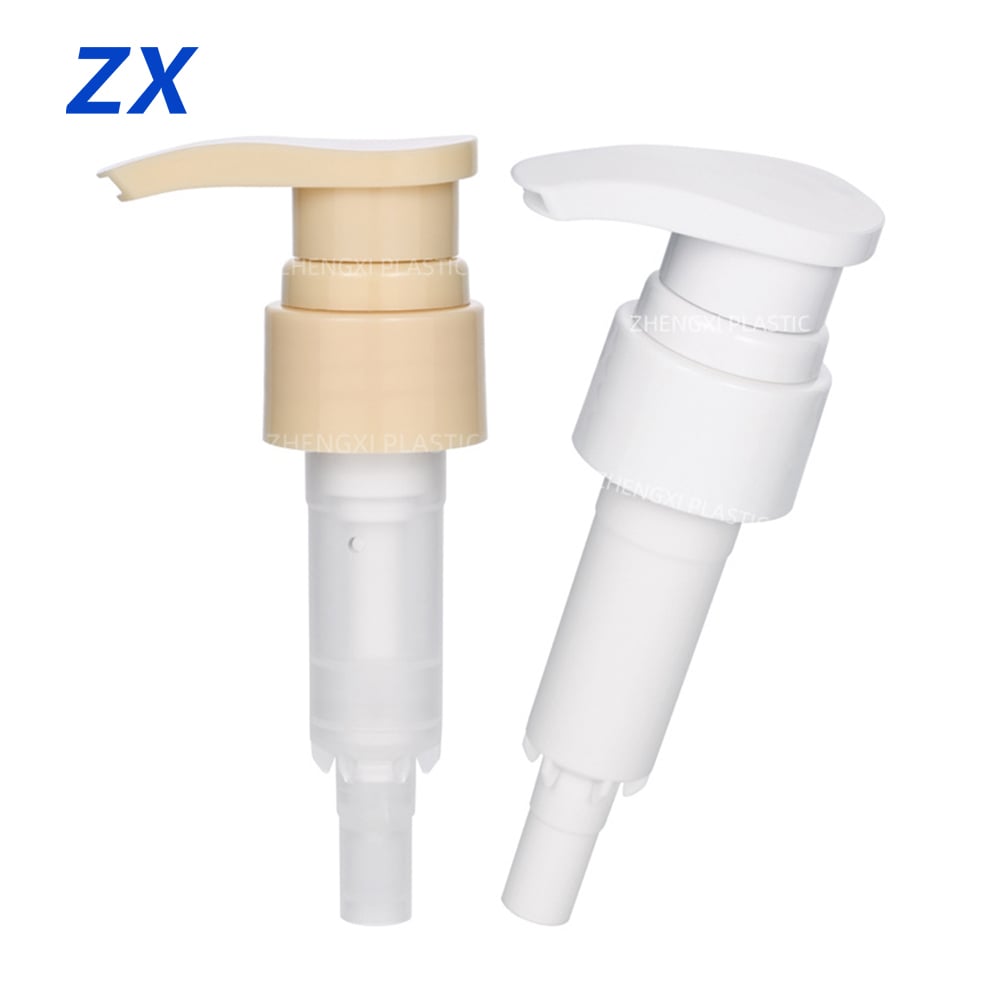
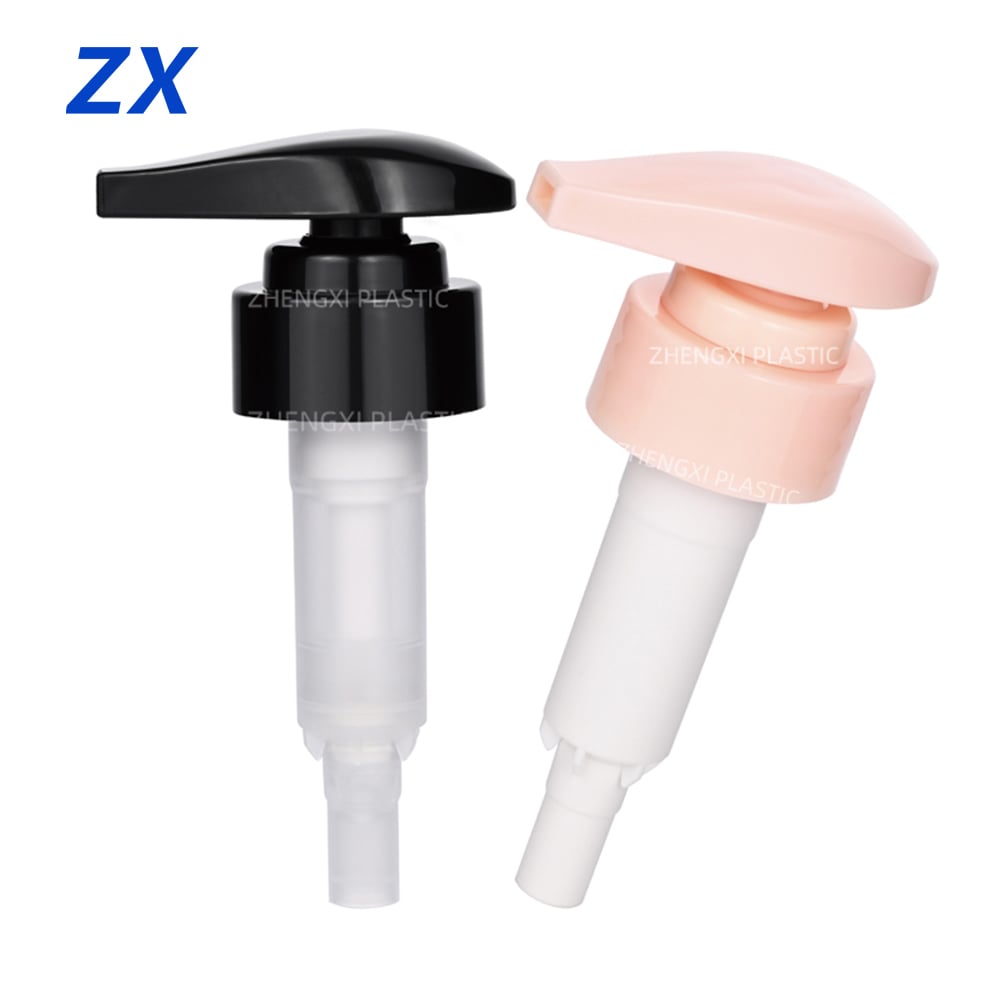
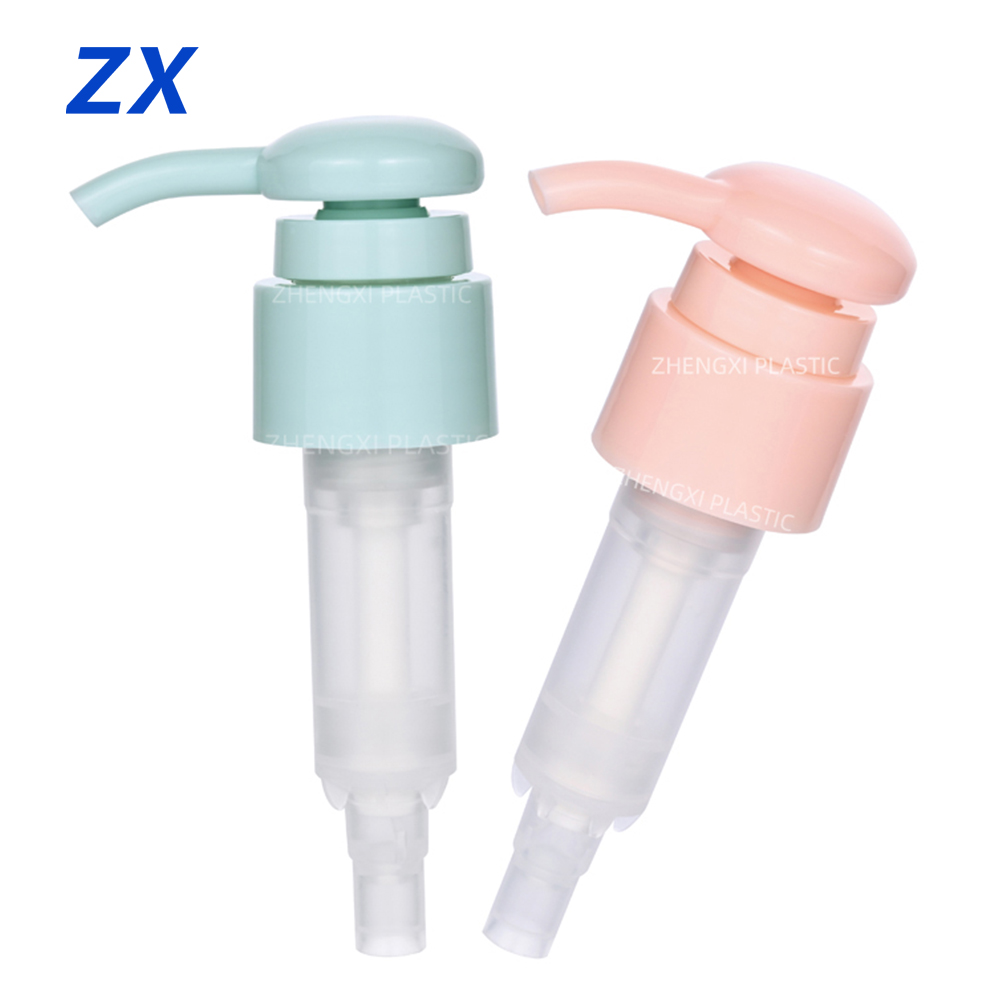
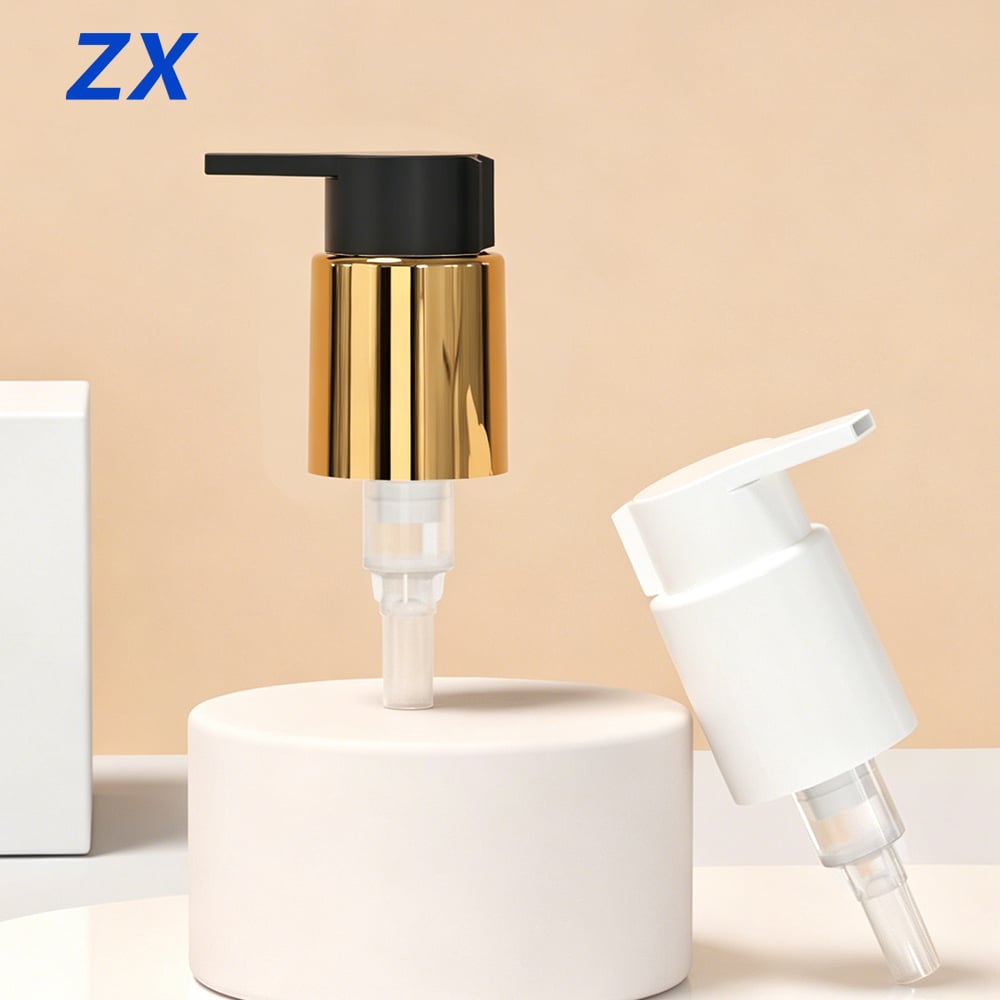
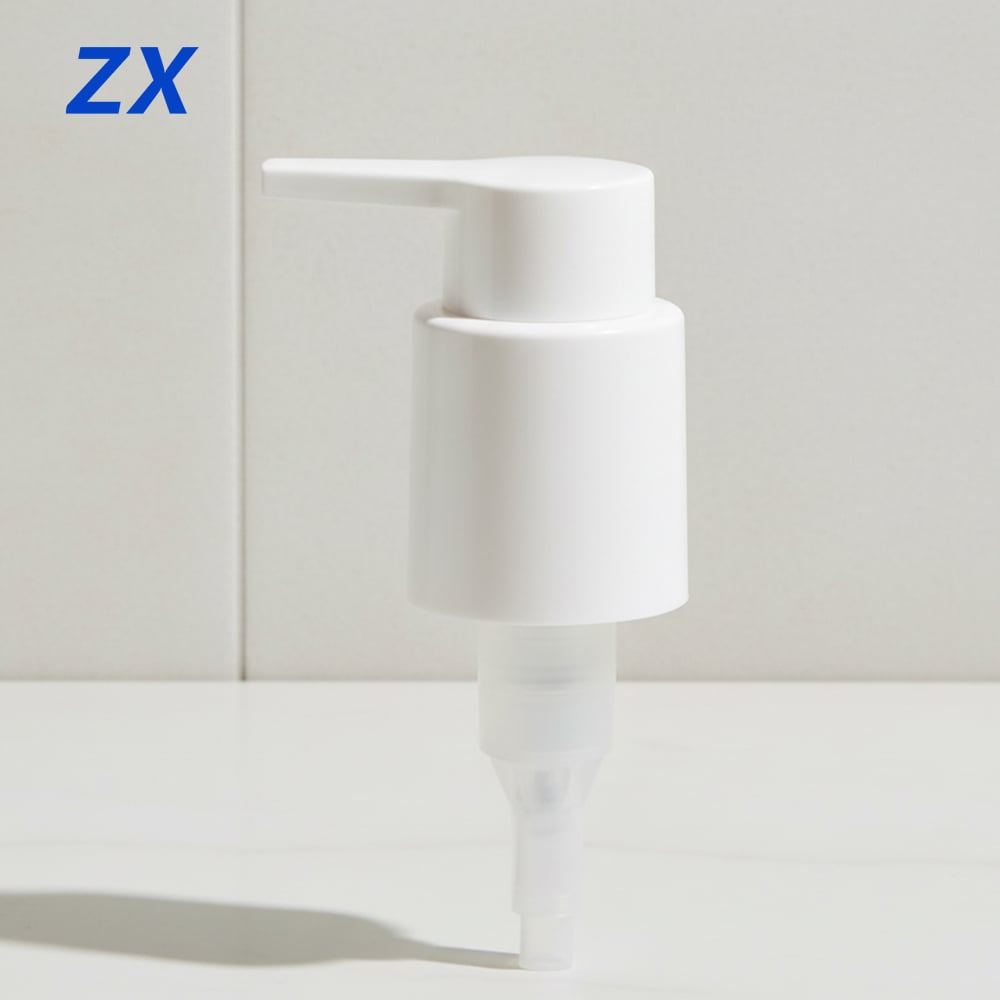
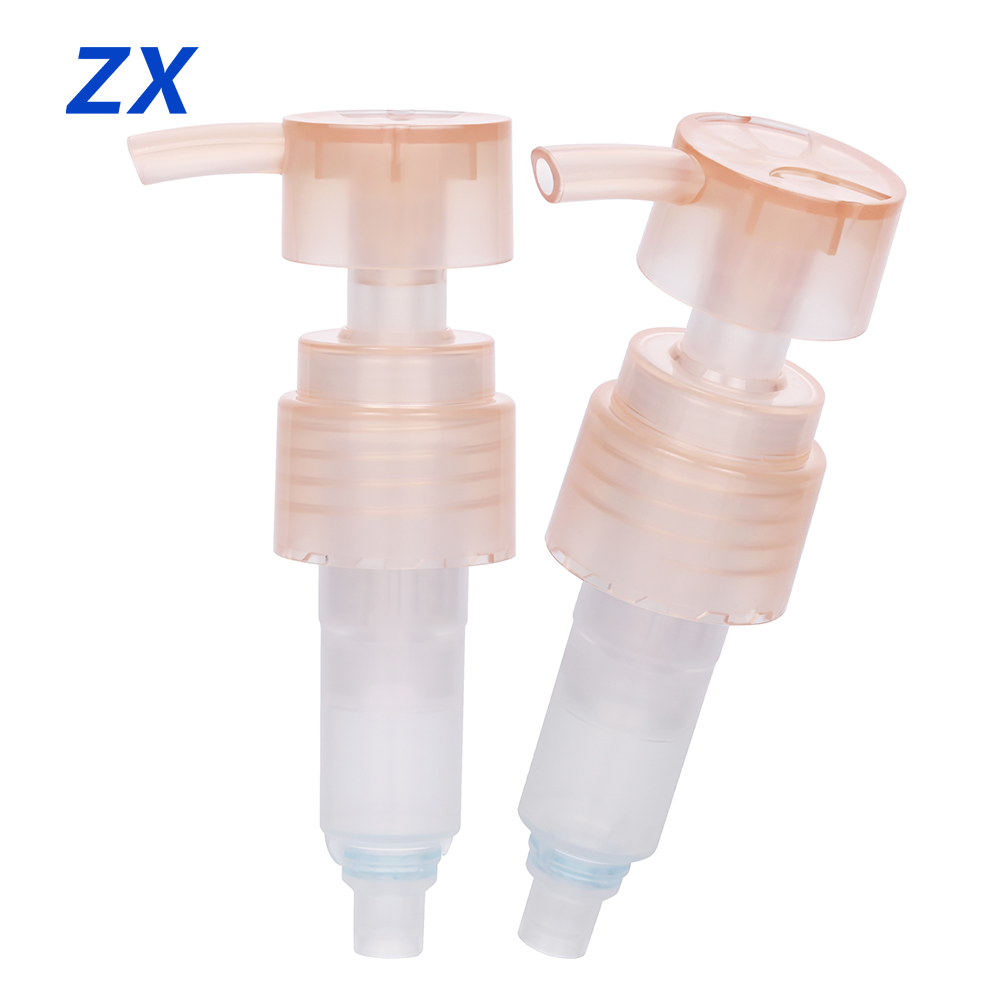
Spring corrosion in lotion pump dispensers represents a significant challenge when formulating with acidic ingredients. Acidic formulations, commonly used in skincare and personal care products, can gradually degrade metal springs and internal components, leading to mechanical failure, product leakage, and compromised dispensing performance. Understanding how to prevent spring corrosion lotion pump issues is essential for product developers, manufacturers, and brand owners who rely on reliable pump delivery systems. The longevity and functionality of your dispenser depend on implementing proper corrosion prevention strategies from the formulation stage through packaging selection.
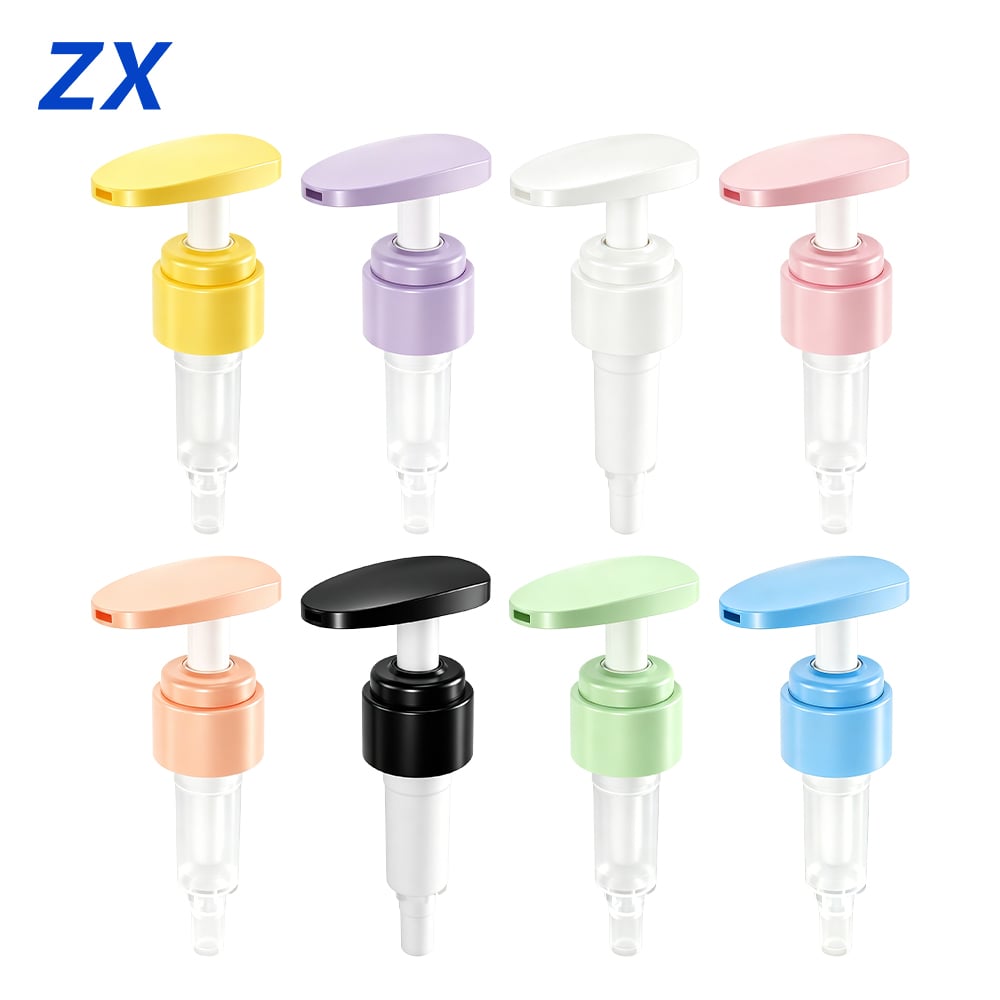
Acidic formulations present unique challenges because low pH environments accelerate oxidation and material breakdown. When acidic products come into contact with standard metal springs, chemical reactions occur that weaken the spring structure, reduce elasticity, and eventually cause corrosion that prevents spring function. This is why prevent spring corrosion lotion pump best practices must be integrated into every stage of product development, from ingredient selection through final packaging assembly. The right combination of material choices, barrier technologies, and design features can effectively neutralize corrosion risks and extend dispenser lifespan.
Acidic formulations trigger corrosion through electrochemical processes that attack metal surfaces. When springs are exposed to low pH environments over extended periods, hydrogen ions penetrate protective oxide layers and initiate metal dissolution. This is particularly problematic with iron-based alloys and certain stainless steel grades that lack sufficient corrosion resistance. To prevent spring corrosion lotion pump systems effectively, you must first understand that standard carbon steel springs are highly vulnerable to acidic attack, while specialized alloys offer dramatically improved resistance. The corrosion rate intensifies with increased acidity levels, elevated temperatures, and prolonged contact time between the formulation and spring components.
Failed springs result in multiple operational failures that directly impact product quality and consumer experience. When corrosion weakens a spring, the dispenser may fail to return to its original position, creating inconsistent dose delivery or product leakage. Corroded metal particles can also contaminate the product itself, raising safety and regulatory concerns. Understanding these risks emphasizes why prevent spring corrosion lotion pump protocols are critical for maintaining product integrity and brand reputation. The financial implications of product recalls, customer complaints, and warranty claims make corrosion prevention a strategic priority for every formulation team.
The most effective way to prevent spring corrosion lotion pump failure is selecting materials with inherent corrosion resistance. High-grade stainless steel springs, particularly 316-series alloys, significantly outperform standard carbon steel in acidic environments. Coated springs with specialized protective layers such as nickel plating, chrome plating, or specialized polymer coatings provide additional safeguards. The prevent spring corrosion lotion pump solutions now include advanced materials designed specifically for acidic formulation compatibility. Investing in premium spring materials during initial design phases typically costs less than managing corrosion-related product failures downstream.
Beyond material selection, physical barriers prevent direct contact between acidic formulations and vulnerable metal components. Internally applied coatings, specialized plastic liners, and elastomer seals create isolation layers that block chemical attack. These protective systems must maintain integrity across the entire product shelf life and withstand repeated mechanical stress from pump operation. To prevent spring corrosion lotion pump degradation, many manufacturers now use dual-barrier approaches that combine material selection with protective coatings. Regular testing under accelerated aging conditions ensures that chosen barrier systems maintain effectiveness throughout the anticipated product lifespan.
The formulation itself offers opportunities to prevent spring corrosion lotion pump issues without compromising product efficacy. Buffering systems that minimize extreme pH fluctuations reduce corrosion intensity while maintaining desired product characteristics. Antioxidant and chelating agent inclusion protects against metal degradation pathways. When developing formulations, considering dispenser compatibility allows teams to prevent spring corrosion lotion pump problems proactively. Slightly elevated pH levels, where compatible with product performance requirements, provide significant corrosion reduction benefits. Collaboration between formulation chemists and packaging engineers ensures that acidic products are optimized for dispenser longevity.
Not all pump dispensers handle acidic formulations equally effectively. Selecting dispensers specifically designed or rated for low pH environments is fundamental to prevent spring corrosion lotion pump complications. Modern dispenser engineering incorporates acidic-formulation-compatible materials, sealed spring chambers, and improved drainage systems that minimize liquid retention around critical components. Manufacturers increasingly provide detailed compatibility data indicating which dispenser models safely accommodate specific pH ranges. To prevent spring corrosion lotion pump failures, always verify that chosen dispensers have documented compatibility with your exact formulation pH before committing to production. Conducting accelerated compatibility testing with your specific formulation provides definitive confirmation of dispenser suitability.
Comprehensive testing protocols are essential to prevent spring corrosion lotion pump problems before they emerge in the market. Accelerated aging studies simulate extended shelf life conditions by exposing filled dispensers to elevated temperatures and humidity while monitoring for corrosion indicators. These studies reveal spring degradation patterns, coating integrity issues, and material incompatibilities that standard storage would take months or years to display. To prevent spring corrosion lotion pump issues effectively, develop testing protocols that replicate your actual storage conditions plus stress factors. Documentation of testing results provides regulatory evidence of product safety and quality assurance commitment.
Even with optimal material selection and formulation strategies, storage conditions influence corrosion progression. Temperature fluctuations, humidity exposure, and improper storage environments accelerate spring degradation. Providing clear storage instructions and shelf life guidance helps end users prevent spring corrosion lotion pump problems after purchase. Including information about ideal storage temperatures, humidity ranges, and product stability expectations extends dispenser lifespan in consumer hands. Many manufacturers now provide detailed care instructions with products, empowering users to protect their dispensers through proper handling and storage practices that prevent spring corrosion lotion pump issues.
Spring corrosion risk increases significantly below pH 4, with most standard steel springs showing visible degradation when exposed to pH levels below 3 for extended periods. However, even neutral formulations can cause corrosion if the dispenser materials are incompatible or if moisture accumulation occurs. To prevent spring corrosion lotion pump failures, choose dispensers rated for your specific formulation pH, and conduct compatibility testing with your exact product to verify safety margins and dispenser longevity expectations.
Dispenser longevity depends on material quality, formulation pH, storage temperature, and exposure duration. Premium stainless steel springs in properly designed dispensers can maintain function for two to three years or longer with acidic formulations, while standard carbon steel springs may fail within months. To prevent spring corrosion lotion pump degradation and maximize product shelf life, select dispensers specifically designed for acidic compatibility and conduct accelerated aging tests that simulate your expected market lifespan plus safety margins.
Coatings provide significant protection but work most effectively when combined with corrosion-resistant base materials and proper dispenser design. A premium coating on a standard carbon steel spring extends lifespan but cannot provide indefinite protection against aggressive acidic attack. To prevent spring corrosion lotion pump failures comprehensively, use a multi-layered approach combining high-grade stainless steel springs, protective coatings, sealed chamber design, and formulation-level optimization. This integrated strategy ensures that corrosion risk is minimized across all potential failure pathways and that dispenser reliability matches product quality expectations.
 Hot News
2026-09-15
2026-09-08
2026-09-01
2026-08-18
2026-08-13
2026-08-11
 EN
EN